


Why Your 2027 Triathlon Season Starts in October and November 2026
Most triathletes think their season starts with their first race. The reality is that your 2027 performance is being determined right now. Discover why October and November 2026 are the most important months of your entire season.
It's September.
Your final race might have just finished.
The weather is changing.
Training motivation is starting to dip.
Many athletes are already thinking about winding down for winter.
And that's exactly why October and November are such important months.
While many triathletes are taking their foot off the gas completely, the athletes who achieve personal bests, Age Group qualification, podium finishes and breakthrough performances in 2027 are already laying the foundations for success.
The truth is simple:
Your 2027 season doesn't start in January.
It doesn't start at your first race.
It starts in October and November 2026.
The Biggest Mistake Triathletes Make
Every year, countless athletes follow the same cycle.
They finish their season.
Take several weeks off.
Reduce training significantly.
Lose fitness.
Gain weight.
Lose consistency.
Then panic in January when they realise their first race is only a few months away.
Suddenly they try to:
Increase training volume quickly
Lose weight rapidly
Rebuild fitness
Regain motivation
Fix weaknesses
All at the same time.
This often leads to:
Injury
Burnout
Inconsistent training
Frustration
Poor race performances
The athletes who improve most rarely start from scratch in January.
They start building long before then.
Fitness Takes Longer to Build Than Most Athletes Think
One of the biggest misconceptions in endurance sport is how quickly fitness develops.
Most meaningful aerobic adaptations take months—not weeks.
The aerobic engine that supports:
Faster swimming
Stronger cycling
Better running
Improved recovery
Long-distance endurance
is built through consistent training over time.
You can't rush it.
By starting in October and November, you give yourself an extra two to three months of productive training before many athletes have properly restarted.
That time compounds.
And those gains often become visible during race season.
The Winter Arc Creates the Summer Athlete
When athletes see strong performances in May, June or July, they're often looking at the result of work completed months earlier.
The long ride completed in December.
The strength session completed in November.
The consistent training block completed in January.
The athlete who appears strong in summer is often the athlete who stayed consistent through winter.
The race doesn't reveal what you did last week.
It reveals what you've been doing for months.
October and November Are Perfect for Building Foundations
Race season often forces athletes into a reactive approach.
The focus becomes:
Recovering from races
Tapering
Travelling
Managing fatigue
Maintaining performance
The off-season provides something different.
It provides time.
Time to improve.
Time to develop.
Time to address weaknesses.
This makes October and November ideal for focusing on:
Aerobic Development
Building the endurance that underpins triathlon performance.
Strength Training
Developing resilience, power and durability.
Swim Technique
Improving efficiency before higher training volumes arrive.
Mobility and Movement
Addressing restrictions that may have developed during the season.
Consistency
Creating habits that will support the entire year ahead.
Strength Gains Are Built in Winter
If there is one area many triathletes neglect, it's strength training.
During race season, gym sessions often become inconsistent.
The focus shifts towards swimming, cycling and running.
Winter offers an opportunity to reverse that trend.
The benefits of strength training include:
Reduced injury risk
Improved force production
Better posture
Enhanced running economy
Greater durability
These adaptations take time to develop.
Starting strength work in October allows athletes to build a solid foundation before race-specific training increases.
This Is When Weaknesses Should Be Addressed
Every athlete finishes a season knowing what needs improvement.
Perhaps:
Your swim is costing you valuable time.
Your run fades late in races.
Your cycling lacks power.
You struggle with race nutrition.
You frequently get injured.
October and November are your opportunity to address those weaknesses before the pressure of race season returns.
Many athletes make the mistake of only focusing on what they enjoy.
The athletes who improve most focus on what they need.
Consistency Beats Motivation
One reason so many athletes struggle during winter is that they rely on motivation.
The problem?
Motivation is unreliable.
Some days you'll feel motivated.
Many days you won't.
Especially when:
It's dark outside.
It's raining.
The race season feels far away.
The athletes who improve most are not necessarily the most motivated.
They're the most consistent.
Consistency creates fitness.
Fitness creates confidence.
Confidence creates performance.
Why Age Group Athletes Should Start Now
Athletes targeting:
British Age Group qualification
European Championships
World Championships
Ironman qualification
Personal best performances
often underestimate how competitive their races will be.
The margins between success and disappointment can be surprisingly small.
A few minutes.
Sometimes less.
Those margins are often created during winter.
The athlete who starts building in October frequently arrives at spring with:
Better fitness
Better resilience
Better confidence
Better race readiness
The athlete who waits until January often spends spring trying to catch up.
January Is Too Late to Start Chasing Big Goals
This statement might sound harsh.
But if you're aiming for major goals in 2027, January is not the ideal starting point.
Can you still improve?
Absolutely.
But you will be operating with less time.
Less time to build fitness.
Less time to develop strength.
Less time to improve weaknesses.
Less time to recover from setbacks.
The earlier you begin, the more options you have.
What Should You Be Doing Right Now?
The answer depends on your goals.
But for most triathletes, October and November should focus on:
Re-establishing Consistency
Building a sustainable weekly routine.
Aerobic Development
Creating a stronger endurance foundation.
Strength Training
Two structured gym sessions per week can make a huge difference.
Swim Technique
Improving efficiency before volume increases.
Goal Setting
Defining what success looks like in 2027.
Planning the Race Calendar
Identifying key races and qualification opportunities.
The Value of a Structured Plan
Many athletes enter winter with good intentions but no clear direction.
They train hard when motivated.
Skip sessions when busy.
Randomly choose workouts.
The result is often inconsistency.
A structured plan removes guesswork.
It provides:
Clear objectives
Progressive training
Accountability
Long-term direction
Most importantly, it helps athletes stay consistent when motivation naturally fluctuates.
Why Coaching Can Make the Difference
One of the biggest advantages of working with a coach during winter is having a long-term strategy.
Rather than simply training hard, every session serves a purpose.
At Frederick Webb Triathlon, winter coaching focuses on:
Building aerobic fitness
Developing strength
Improving technique
Addressing weaknesses
Creating consistency
Preparing athletes for their key races
The goal is not to peak in winter.
The goal is to build the athlete who will peak when it matters most.
The Athletes Who Improve Most Are Already Starting
While many athletes wait for New Year's resolutions, others are already building momentum.
They're creating habits.
They're strengthening weaknesses.
They're developing fitness.
They're preparing for the opportunities that 2027 will bring.
By the time January arrives, they'll already have several months of quality training behind them.
And that advantage is difficult to recover.
Final Thoughts
The athletes who achieve their biggest goals in 2027 won't simply be the ones who train hardest.
They'll often be the ones who started earliest.
October and November provide a unique opportunity to:
✔ Build aerobic fitness
✔ Improve strength
✔ Address weaknesses
✔ Develop consistency
✔ Create momentum
✔ Prepare for a successful season
Your first race of 2027 may still feel a long way away.
But the work that determines how you perform on that start line begins now.
Don't wait until January.
Don't wait until motivation arrives.
Don't wait until everyone else starts training.
Start building today.
Because your 2027 season has already begun.
FAQ: Starting Your 2027 Triathlon Season
When should triathletes start preparing for the next season?
For most athletes, preparation should begin shortly after the previous season ends. October and November are ideal months to build fitness, strength and consistency before race-specific training begins.
Is winter training important for triathlon?
Yes. Winter training forms the foundation for future performance by developing aerobic fitness, strength, durability and technical skills.
How much should I train during the off-season?
The ideal volume varies by athlete and goal, but maintaining consistent training is usually more important than chasing high training volumes.
Should I do strength training in winter?
Absolutely. Winter is often the best time to prioritise strength development because there are fewer race-specific demands.
Can I qualify for Age Group championships if I start training in January?
It's possible, but athletes who begin preparing in October or November generally have more time to build fitness, address weaknesses and prepare effectively for qualification races.
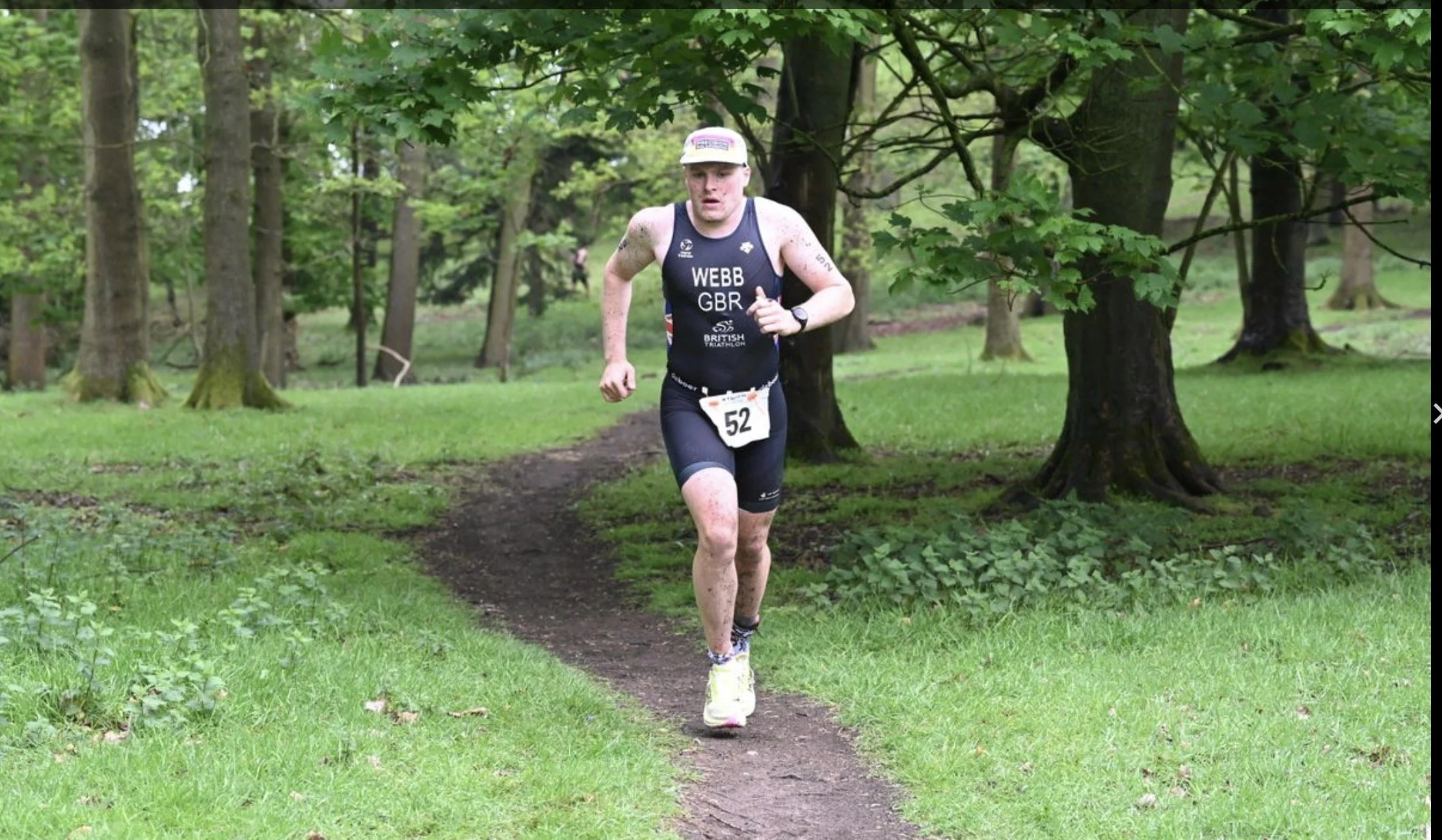
Race Selection Could Be the Difference Between Qualifying and Missing Out
Qualifying for an age group championship isn't only about how fast you are. Choosing the right race, course, conditions and timing can make a huge difference to your chances of qualification.
When athletes decide they want to qualify for an age group championship, the first thing they usually think about is training harder.
More miles.
More intervals.
More swimming.
More threshold work.
But there is another factor that can have a huge influence on your chances of qualifying:
Where and when you choose to race.
Two athletes with almost identical fitness can achieve very different results simply because they chose different qualifying races.
That doesn't mean looking for an "easy" race.
It means being strategic.
If qualifying for an age group championship is a serious goal, your race calendar should be built around that objective rather than simply entering races because they look exciting.
What Is Age Group Qualification?
Age group qualification allows amateur athletes to represent their country at international championship events, competing against athletes in their specific age category.
Depending on the championship and governing body, qualification can involve factors such as:
Finishing position
Age-group placing
Qualification times
Qualification standards
Race-specific criteria
The number of qualification places available
The exact qualification system can change between events, so athletes should always check the current rules for the championship they are targeting.
But regardless of the qualification system, one principle remains:
You need to give yourself the best possible opportunity to perform on the day.
And that starts long before race morning.
1. Don't Just Pick the Race Everyone Else Is Doing
One of the biggest mistakes I see is athletes automatically entering the most popular race.
It makes sense.
Everyone is talking about it.
Your training partners are racing.
You recognise the course.
There is a big atmosphere.
But popularity doesn't necessarily make a race your best qualification opportunity.
A race with hundreds of athletes in your age group may provide significantly more competition for the available qualification positions than a smaller event.
That doesn't mean you should avoid strong competition.
You should understand what you're entering.
Before committing to a race, investigate:
Previous results
Previous qualification times
Number of athletes in your age group
Typical winning and qualification performances
Course characteristics
Weather conditions
Number of qualification slots available
Your goal is to understand the environment in which you're going to compete.
2. Study Previous Results
One of the most useful tools available to an athlete is historical race data.
Look at previous editions of the event.
Ask:
What does it normally take to qualify?
Don't just look at the winning time.
Look at the depth of the age group.
For example, imagine two races.
Race A
Your age group:
80 athletes
Typical qualification performance:
Top 10
Previous 10th place:
4:52
Race B
Your age group:
35 athletes
Typical qualification performance:
Top 5
Previous 5th place:
4:55
On paper, Race A may look more prestigious.
But Race B could potentially provide a more favourable qualification opportunity.
This is why data should influence race selection.
3. Understand the Course
Not every course suits every athlete.
This is incredibly important.
You might be an excellent cyclist but struggle on a technical bike course.
You might be a strong runner but lose your advantage on a hilly run.
You might be an exceptional swimmer but race somewhere where the swim is frequently shortened or cancelled because of conditions.
Your strengths should influence your race selection.
Ask yourself:
Where can I maximise my strengths?
If you're a strong climber, a hilly bike course might suit you.
If you're a powerful swimmer and cyclist, a non-drafting race with a challenging bike course may allow you to create significant gaps.
If you're an exceptional runner, a fast, flat run course may give you the opportunity to gain positions late in the race.
The best course isn't necessarily the fastest course.
It's the course that best suits your physiology, skills and race strategy.
4. Consider the Weather
Weather can completely change a race.
Some athletes thrive in heat.
Others perform significantly better in cooler conditions.
Wind can transform a bike course.
Rain can change technical descents.
Extreme temperatures can make pacing and hydration much more important.
If you know your strengths and weaknesses, consider the typical conditions at different races.
For example:
Strong in heat?
A warmer race could play into your hands.
Poor heat tolerance?
A cooler location or earlier-season race may be more appropriate.
Strong cyclist in windy conditions?
A notoriously exposed bike course might create opportunities.
Weather isn't predictable, but historical conditions can still help inform your decision.
5. Timing Your Qualification Race Properly
Race selection isn't just about the event.
It's also about when it sits within your season.
You need to arrive at your qualification race with the right combination of:
Fitness
Recovery
Freshness
Race experience
Confidence
Training consistency
Trying to qualify after a long block of racing may leave you carrying fatigue.
Likewise, qualifying too early could mean you haven't developed enough fitness.
For many athletes, the ideal approach is to identify the qualification race months in advance and build the season around it.
Everything else becomes preparation.
6. Don't Race Every Weekend Before Your Qualifier
This is another common mistake.
Athletes sometimes believe racing frequently will make them better racers.
It can help with experience.
But racing is also stressful.
Travel.
Poor sleep.
Reduced training.
Recovery.
Nutrition disruption.
Mental fatigue.
If qualification is your primary objective, you need to protect the weeks leading into the event.
Your qualification race should be treated differently from a normal race.
You aren't simply turning up to see what happens.
You're building towards a performance.
7. Use Smaller Races as Preparation
Not every race needs to be a qualification attempt.
A smart season can include smaller races that allow you to practise:
Pacing
Transitions
Nutrition
Race-day routines
Open-water starts
Overtaking
Bike handling
Running off the bike
Tactical decision-making
These races can provide valuable information without requiring you to be at peak fitness.
Think of them as rehearsals.
Then when your qualification race arrives, you've already experienced many of the situations you're likely to encounter.
8. Don't Chase a Qualification Time If Qualification Is Position-Based
This is an important distinction.
Some athletes become obsessed with a particular finishing time.
But if qualification is determined primarily by position, your objective should be to race the athletes around you, not simply hit a number on your watch.
You could produce your fastest-ever race and still miss qualification.
Equally, you could have a slower-than-expected day and qualify comfortably.
Conditions, course and competition all influence finishing times.
If the qualification system is position-based:
Race the race.
Don't race the clock.
9. Understand the Strength of Your Age Group
Some age groups are brutally competitive.
Others may have significantly fewer athletes.
You need to understand where you sit within your category.
Look at previous results and identify:
Typical top-3 performances
Typical qualification performances
Number of athletes
Athletes who regularly qualify
Your current predicted performance
This gives you a realistic benchmark.
You don't need to be the fastest athlete in the country.
You need to be fast enough to earn one of the available places.
That is a very different objective.
10. Build Your Season Around One Main Goal
If qualification matters to you, don't treat it as another item on a long list.
Choose your A race.
Then structure the season around it.
Your calendar could look something like:
Early Season
Training + low-pressure racing
Mid Season
Build fitness + race-specific preparation
Pre-Qualification
Specific race preparation + controlled racing
Qualification Race
Peak performance
Post-Qualification
Recovery + next objective
This gives your training direction.
Instead of constantly chasing fitness, you're building towards a specific performance.
The Biggest Mistake: Trying to Out-Train Poor Race Selection
This is something I regularly emphasise with athletes.
You can spend six months becoming fitter, stronger and faster.
But if you choose a race that doesn't suit you, arrive fatigued, or fail to understand the competitive environment, you may not get the result your fitness deserves.
Fitness gets you into the conversation. Race strategy helps you finish the job.
That doesn't mean manipulating the system or avoiding competition.
It means making informed decisions.
How a Coach Can Help With Race Selection
Race selection is one of the areas where individual coaching can provide significant value.
A coach can help assess:
Your current performance level
Your age-group competition
Previous qualification results
Course profiles
Your strengths and weaknesses
Your training timeline
Your recovery requirements
Race calendar conflicts
Appropriate preparation races
Taper strategy
Race-day pacing and nutrition
The goal isn't simply to tell you which race to enter.
It's to create a qualification strategy.
At Frederick Webb Triathlon, the aim is to build your training and racing around your individual goal rather than giving you a generic plan and hoping it works.
Your Qualification Race Should Be a Strategic Decision
If qualifying for an age group championship is something you genuinely want to achieve, don't leave race selection until the last minute.
Start with the goal.
Then work backwards.
What performance do you need?
Which races give you the best opportunity to produce it?
What course suits you?
How competitive is your age group?
When can you realistically peak?
Which races should you use as preparation?
These questions can completely change how you approach your season.
Because sometimes the difference between qualifying and missing out isn't another 10 hours of training.
It is making better decisions.
Final Thoughts
Qualifying for an age group championship is rarely about one single factor.
You need fitness.
You need consistency.
You need good race execution.
You need resilience.
And you need to give yourself the best possible opportunity to perform.
Race selection is part of performance.
Don't simply choose the race that looks the most exciting.
Choose the race that gives you the best opportunity to demonstrate the fitness you've spent months building.
Train hard.
Train intelligently.
Race strategically.
And give yourself the best possible chance of hearing those words:
You've qualified.
Frequently Asked Questions
What is the best triathlon race for age group qualification?
There isn't one universally best race. The ideal event depends on your age group, current performance, strengths, course preferences, competition and the qualification criteria for the championship.
Should I choose a race with fewer competitors?
Not necessarily. A smaller field may change the competitive dynamics, but you should focus on the actual qualification criteria and previous results rather than simply looking for a small field.
How far in advance should I choose my qualification race?
Ideally, identify your target race several months in advance so your training, preparation races and recovery can be structured around it.
Should I race before my qualification race?
Yes, in many cases. Preparation races can be extremely useful for practising pacing, transitions, nutrition and race execution. However, too much racing can interfere with training and recovery.
Should I focus on finishing time or position?
That depends on the qualification system. If qualification is based primarily on finishing position, focus on racing your age group rather than chasing an arbitrary time.
Can a triathlon coach help me choose a qualification race?
Yes. A coach can assess your performance, strengths, weaknesses, previous results, course characteristics and season timeline to help develop a race-selection and qualification strategy.
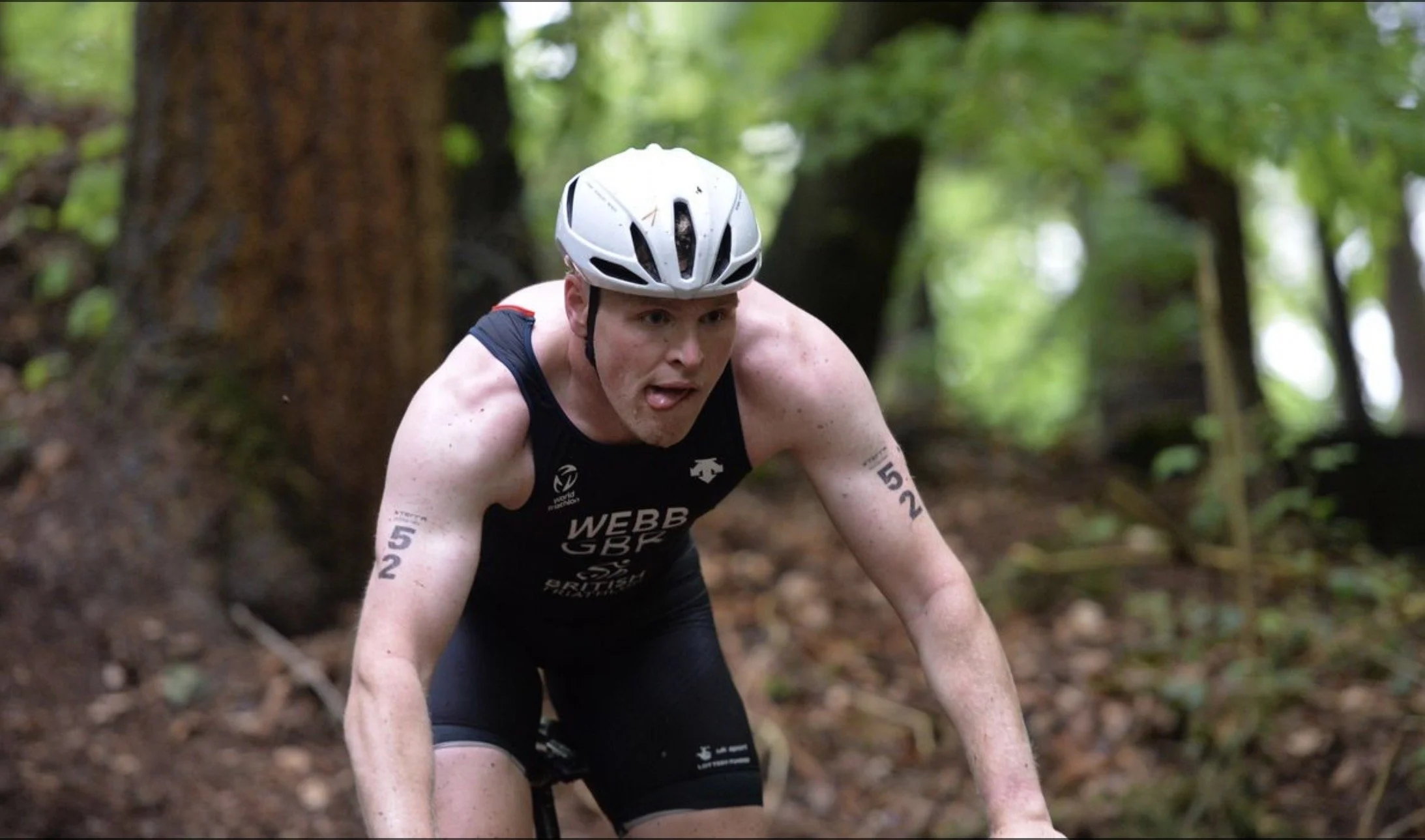
The Mental Side of Racing at an Elite Age Group Level
Getting physically fit enough to compete at an elite age group level is only half the challenge. The ability to manage nerves, expectations, pressure, setbacks and race-day decisions can determine whether you perform at your potential. Here's how to develop the mental skills required to race at your best.
You've done the training.
You've completed the long rides.
You've endured the intervals.
You've swum thousands of metres.
You've put the miles into your legs.
Your fitness is there.
So why can racing still feel so difficult?
Because once you reach a high level of age-group competition, fitness isn't the only thing being tested.
Your mindset is being tested too.
The pressure of racing for a qualifying position.
The expectation of a personal best.
The fear of having a bad race.
Watching the athlete next to you.
Seeing your competitors' numbers on Strava.
Knowing that you've spent months preparing for one particular day.
At an elite age-group level, these psychological factors can have a huge influence on performance.
And sometimes, the difference between a great race and a disappointing one isn't fitness.
It's how well you manage your mind when the race doesn't go exactly to plan.
What Does "Elite Age Group" Actually Mean?
Elite age-group racing doesn't necessarily mean you're a professional.
It means you're competing at a level where relatively small differences in performance can have significant consequences.
You might be racing for:
British Age Group qualification
A podium position
A personal best
World or European Championship qualification
A highly competitive age-group placing
At this level, you can't simply rely on being fitter than everyone else.
You need to execute.
And execution requires mental control.
The Pressure Changes as You Get Faster
When you're completing your first triathlon, the objective might simply be:
Finish.
Then it becomes:
Finish faster.
Then:
Break a certain time.
Then:
Qualify.
Eventually:
Win or podium.
As your goals become more ambitious, the psychological pressure often increases.
Suddenly, a race isn't just a race.
It's the result of months of sacrifice.
That's where athletes can become trapped by expectations.
The Fear of Failure
One of the biggest psychological challenges for high-level age-group athletes is fear of failure.
You've trained hard.
You've sacrificed weekends.
You've structured your life around training.
You've invested in equipment, coaching, travel and racing.
You know you're capable of performing well.
But what if you don't?
This fear can influence how you race.
You may:
Start too hard
Chase competitors unnecessarily
Ignore your pacing plan
Panic when your numbers aren't where you expect
Take unnecessary risks
Ironically, the fear of having a bad race can actually contribute to having one.
Stop Racing the Result
This is one of the most important lessons an athlete can learn.
You cannot control your finishing position.
You cannot control what another athlete does.
You cannot control the weather.
You cannot control mechanical failures.
You cannot control every variable on race day.
But you can control your execution.
Instead of thinking:
"I need to qualify."
Focus on:
"I need to execute my race plan."
That might mean:
Swimming efficiently
Staying controlled early on the bike
Fueling consistently
Holding your target effort
Running your own pace
Control the process.
Let the result take care of itself.
Don't Let the Swim Decide Your Race
The swim is often where anxiety is highest.
Especially in a highly competitive field.
Athletes can become obsessed with:
Getting onto the right feet
Losing contact
Being dropped
Their swim time
The result?
They go far harder than planned.
Then they spend the next several hours paying for it.
A strong athlete understands that the swim is part of the race—not the race itself.
The objective is to swim efficiently and position yourself appropriately without allowing adrenaline to dictate your effort.
Learn to Stay Calm When Things Go Wrong
Almost every experienced triathlete eventually learns this:
Something will go wrong.
Maybe your goggles leak.
Maybe you miss your bottle.
Maybe you have a poor transition.
Maybe your power meter stops working.
Maybe your stomach doesn't feel right.
Maybe you get caught behind a group.
The athletes who perform best aren't necessarily the ones who avoid problems.
They're the ones who respond well to them.
Instead of:
"My race is ruined."
Think:
"What's the next controllable action?"
That simple change in thinking can completely alter your race.
Don't Chase Someone Else's Race
This is particularly important in age-group racing.
You see an athlete riding strongly.
You think:
"I need to stay with them."
You increase your effort.
Five minutes later, you're above your planned intensity.
Twenty minutes later, you're accumulating unnecessary fatigue.
An hour later, you're wondering why your legs feel terrible.
Race your own numbers.
Race your own plan.
Race your own competition.
Your competitors don't know what your optimal race strategy is.
You do.
Confidence Comes From Preparation
Confidence isn't simply telling yourself:
"I'm going to win."
Real confidence comes from evidence.
You've completed the training.
You've practised race pace.
You've tested your nutrition.
You've handled difficult sessions.
You've dealt with bad days.
You've built the fitness.
That creates genuine confidence.
The goal isn't to convince yourself that nothing can go wrong.
It's to know that you can handle it if something does.
Your Training Should Prepare Your Mind Too
Mental preparation shouldn't begin on race morning.
Your training should include opportunities to practise:
Race pacing
Nutrition
Difficult conditions
Fatigue management
Race-specific intensity
Running off the bike
You should occasionally practise being uncomfortable without panicking.
This creates familiarity.
When race day arrives, difficult moments don't feel completely unexpected.
You've already experienced them.
The Final 10% of the Race
Mental strength becomes particularly important when fatigue is high.
The final kilometres of an Ironman or 70.3 can be extremely challenging.
At this point, motivation can disappear.
Your brain starts looking for reasons to slow down.
This is where having simple mental cues can help.
Instead of thinking about the remaining distance:
Focus on the next kilometre.
Instead of:
"I have 15 km left."
Think:
"Get to the next aid station."
Break the race into manageable pieces.
Develop Your Own Race-Day Mantra
A simple phrase can help during difficult moments.
Examples include:
"Stay controlled."
"Trust the process."
"One kilometre at a time."
"Relax and move forward."
"This is supposed to be hard."
The phrase itself doesn't matter.
What matters is having something simple that brings you back to the task.
Don't Obsess Over Your Watch
Technology is incredibly useful.
But it can also become a psychological trap.
You look down.
Your power is 8 watts below target.
You panic.
You increase your effort.
Then you're suddenly riding above target.
The same can happen with pace and heart rate.
Data should inform your decisions.
It shouldn't control your emotions.
Learn to interpret numbers within context.
Learn to Trust Your Training
One of the hardest things for athletes is accepting that the work is already done.
The week before the race isn't the time to suddenly become fitter.
You can't cram months of training into seven days.
The final stage of preparation is about arriving ready to perform.
Trust the process.
Trust your preparation.
Trust your race plan.
The Difference Between Confidence and Arrogance
Confidence says:
"I'm prepared to perform."
Arrogance says:
"I can't lose."
These are completely different mindsets.
A confident athlete respects the competition while remaining focused on their own execution.
They don't underestimate the race.
They don't fear it either.
They simply do their job.
What Happens After a Bad Race?
This is where elite age-group athletes can really develop.
A poor race isn't necessarily a failure.
It can be information.
Ask:
What went wrong?
Was it physical?
Was it tactical?
Was it nutritional?
Was it psychological?
Did I execute the plan?
What can I change?
Don't turn one bad result into an identity.
You are not a bad athlete because you had a bad race.
Learn.
Adapt.
Move forward.
Your Coach Can Help With the Mental Side Too
A coach's role isn't simply to prescribe workouts.
At a high level, coaching also involves helping athletes manage the psychological side of competition.
That can mean:
Keeping expectations realistic
Building confidence
Reviewing race performances objectively
Preventing emotional training decisions
Helping develop race strategies
Preparing for difficult scenarios
Sometimes athletes don't need more motivation.
They need perspective.
Why Frederick Webb Triathlon Understands the Demands of High-Level Racing
At Frederick Webb Triathlon, coaching is built around developing the complete athlete.
Physical preparation is obviously important.
But successful racing also requires:
Confidence.
Discipline.
Patience.
Decision-making.
Composure.
As a professional triathlete and coach, Frederick understands that racing at a high level isn't simply about having the highest fitness.
It's about being able to use that fitness when it matters.
Your training should prepare you not only to reach the start line fit—but to execute when the pressure is on.
Five Mental Rules for Elite Age Group Racing
If you remember nothing else from this article, remember these:
1. Race your plan
Don't let another athlete dictate your pacing.
2. Control what you can control
Focus on your effort, nutrition, pacing and decisions.
3. Expect problems
Something will probably go wrong. Be ready to adapt.
4. Trust your preparation
You've done the work. Let your training come through.
5. Focus on execution, not outcome
The result is a consequence of what you do throughout the race.
Final Thoughts
At an elite age-group level, everyone on the start line is fit.
The difference between athletes can become incredibly small.
That's why the mental side of racing matters so much.
The ability to remain calm.
The ability to stick to a pacing plan.
The ability to fuel when you don't feel like eating.
The ability to respond when something goes wrong.
The ability to keep pushing when the race becomes uncomfortable.
These are skills.
And like physical skills, they can be developed.
You don't need to eliminate nerves.
You need to learn how to perform despite them.
You don't need to guarantee a perfect race.
You need to be prepared to respond when it isn't perfect.
And you don't need to obsess over the result.
You need to execute the process.
Because when you've trained for months to perform on one day, the strongest athlete isn't always the one with the biggest engine.
Sometimes it's the athlete who can stay calm, trust their preparation and make the right decisions when everyone else starts to panic.
At Frederick Webb Triathlon, we don't just prepare athletes to complete races.
We prepare athletes to perform.
If you're chasing a personal best, British Age Group qualification, a podium, or your biggest triathlon goal yet, personalised coaching can help you develop the physical and mental preparation required to give yourself the best possible chance.
Train smart. Race with confidence. Perform when it matters.
FAQ: Elite Age Group Triathlon Racing
How do I deal with nerves before a triathlon?
Nerves are normal, particularly before important races. Rather than trying to eliminate them, use a consistent pre-race routine and focus on controllable actions such as pacing, nutrition and execution.
How can I improve my confidence before a race?
Confidence comes from preparation. Review successful training sessions, practise your race strategy and remind yourself of the work you've completed.
How do I avoid starting a race too fast?
Have clear pacing targets and mental cues for the opening section of each discipline. Remember that adrenaline can make a controlled pace feel easier than it actually is.
What should I do if something goes wrong during a race?
Don't focus on the mistake. Identify the next controllable action and move forward. Experienced racers aren't those who never encounter problems—they're those who respond effectively.
How important is mental strength in triathlon?
Mental skills become increasingly important as competition gets closer. At high age-group levels, physical differences can be relatively small, making pacing, decision-making, confidence and composure particularly valuable.
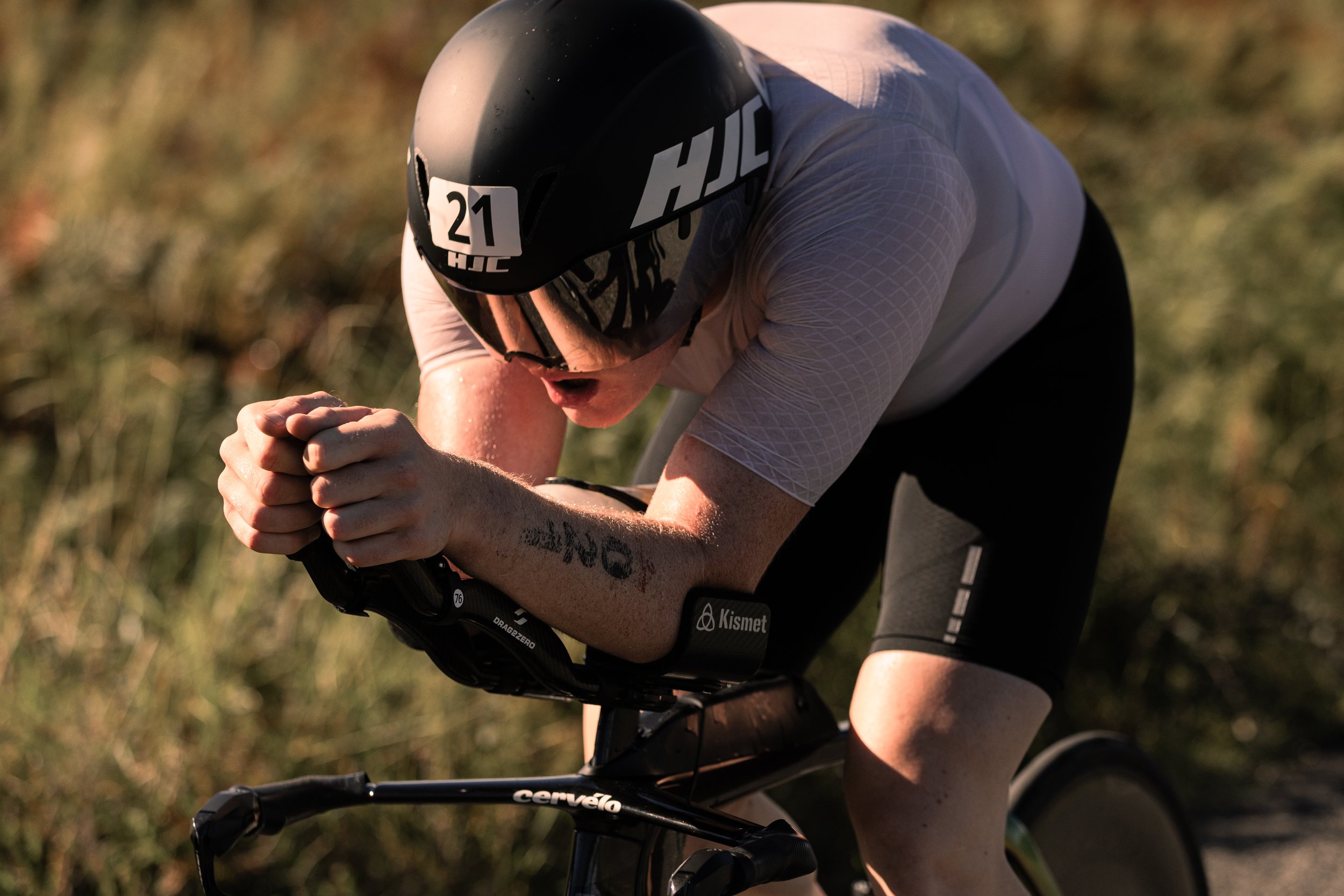
Stop Copying Pro Athletes: Why Elite Training Could Make You Worse
Professional triathletes train differently because they live differently. What works for a full-time elite athlete can be ineffective—or even harmful—for age-group competitors. Discover why copying pro athletes may be slowing your progress rather than accelerating it.
Every day on Instagram, YouTube and Strava, athletes are exposed to professional triathletes sharing their training.
A six-hour bike ride.
A 30km run.
A brutal swim session.
A 35-hour training week.
It's inspiring.
It's motivating.
And for many athletes, it's incredibly dangerous.
Because one of the biggest mistakes age-group triathletes make is assuming:
"If it works for a professional athlete, it must work for me."
Unfortunately, that's rarely true.
At Frederick Webb Triathlon, I regularly see athletes attempting to replicate professional training programmes, only to become tired, injured, frustrated, or slower.
The reality is simple:
Elite training is designed for elite athletes.
Not for someone juggling work, family, travel, stress, and limited recovery time.
The Biggest Mistake in Triathlon
Most athletes believe the secret to getting faster is discovering what the professionals are doing.
So they follow:
Professional triathletes
Influencers
YouTube channels
Strava uploads
Social media training advice
Then they try to replicate it.
The problem?
You're seeing the workout.
You're not seeing the athlete.
And that's a massive difference.
Pros Aren't Just Fitter Than You
Most people assume professionals succeed simply because they're fitter.
That's only part of the story.
Professional athletes typically have:
Years of structured training
Exceptional aerobic development
High training tolerance
Optimised recovery
Extensive race experience
Strong movement patterns
Nutrition support
Strength training support
Access to expert coaching
Most age-group athletes don't.
A session that stimulates adaptation in a professional athlete could completely overwhelm an amateur athlete.
You See the Workout. You Don't See the Recovery
Social media loves hard sessions.
You see:
"5-hour ride with 3 x 40 minutes at race pace."
You don't see:
The afternoon nap
The sports massage
The recovery protocols
The flexible schedule
The low-stress environment
Recovery is part of the training process.
Professional athletes don't just train differently.
They recover differently.
And that's often the bigger advantage.
Elite Training Is Built on Elite Foundations
Imagine someone trying to build the roof of a house before laying the foundations.
That's what many age-group athletes do when copying professional training.
Elite athletes have often spent years building:
Aerobic fitness
Musculoskeletal resilience
Training consistency
Technical skills
The impressive workouts you're seeing are built on thousands of hours of previous training.
Without that foundation, trying to replicate elite sessions is often counterproductive.
More Volume Doesn't Automatically Mean More Improvement
One of the most common mistakes is assuming training volume is the answer.
A professional triathlete might train:
20 hours per week
25 hours per week
30+ hours per week
An age-group athlete sees this and thinks:
"Maybe I need more volume."
But more training only works when:
Recovery supports it
Lifestyle allows it
Adaptation occurs
Otherwise, you're simply accumulating fatigue.
Many athletes would improve more from a structured 10–12 hour programme than an unmanageable 18-hour one.
The Injury Trap
One of the quickest ways to get injured is to train beyond your current capacity.
Professional athletes can often tolerate workloads that would break most recreational competitors.
Why?
Because they've spent years developing the ability to tolerate them.
Common outcomes when athletes copy elite training include:
Calf injuries
Achilles problems
Knee pain
Hamstring issues
Chronic fatigue
Burnout
The goal isn't to survive training.
The goal is to improve from it.
Your Life Matters More Than Their Training Plan
This is the factor social media never shows.
Your training doesn't happen in isolation.
It exists alongside:
Work commitments
Family responsibilities
Travel
Financial pressures
Sleep disruption
Life stress
These factors affect recovery enormously.
A professional athlete's training plan assumes a professional athlete's lifestyle.
Your training needs to fit your reality.
Not theirs.
What Works for Them Might Be Wrong for You
Imagine two athletes:
Athlete A
Professional triathlete
25 hours per week available
Sleeps 9 hours nightly
Trains full-time
Athlete B
Full-time job
Young family
8–10 training hours weekly
Frequently travels for work
Should they follow the same programme?
Of course not.
Yet this is exactly what many athletes unknowingly attempt when they copy professionals.
Pros Train to Win Races
Most age-group athletes train to:
Finish races
Set personal bests
Improve fitness
Qualify for Age Groups
Balance sport with life
Those are different goals.
The training should reflect that.
Professional athletes are often willing to take risks that recreational athletes shouldn't.
Missing work because of overtraining or injury isn't usually part of the plan for an age-grouper.
Social Media Rewards Extreme Training
There is another issue.
Extreme sessions get attention.
Nobody posts:
"Completed a sensible aerobic ride and went to bed early."
Instead you see:
Massive training weeks
Huge mileage
Brutal intervals
Epic suffering
Because that's what generates engagement.
The result is a distorted picture of what successful training actually looks like.
The fundamentals rarely go viral.
But they are what make athletes faster.
The Best Athletes Train Appropriately
The athletes who improve most consistently aren't usually the ones doing the most training.
They're the ones doing the right training.
Training that is:
Specific
Sustainable
Progressive
Recoverable
That's far less exciting than copying a professional's session.
But it's far more effective.
What Should You Copy From Professionals?
Interestingly, there are things worth copying.
Not necessarily their sessions.
But their habits.
For example:
✔ Consistency
✔ Recovery
✔ Sleep
✔ Nutrition
✔ Discipline
✔ Long-term thinking
✔ Attention to detail
These behaviours often contribute far more to performance than a single workout ever will.
The Real Secret of Elite Athletes
Most people think elite athletes succeed because of extraordinary sessions.
The truth is usually less glamorous.
Elite athletes become elite because they execute the basics exceptionally well for years.
Not weeks.
Not months.
Years.
They don't chase shortcuts.
They trust the process.
That's the lesson worth learning.
Why Personalised Coaching Works Better
The best training programme isn't the one used by a professional athlete.
It's the one designed around you.
Your:
Goals
Lifestyle
Recovery capacity
Strengths
Weaknesses
Race calendar
all matter.
A personalised programme accounts for these factors.
A copied programme doesn't.
Why Frederick Webb Triathlon Takes a Different Approach
At Frederick Webb Triathlon, coaching starts with the athlete rather than the workout.
The goal isn't to recreate what a professional athlete is doing.
The goal is to identify what will help you improve.
Every programme is built around:
Available training time
Experience level
Recovery capacity
Performance goals
Lifestyle constraints
Because sustainable progress always beats impressive-looking training.
Final Thoughts
Professional athletes can provide inspiration.
They can provide motivation.
They can even provide useful ideas.
But they should not become your training plan.
Remember:
Elite training works because it's designed for elite athletes.
Trying to copy it without the same fitness, recovery capacity and lifestyle can actually make you slower.
The most successful age-group athletes aren't the ones pretending to be professionals.
They're the ones following training that is appropriate for their own circumstances.
So stop asking:
"What is the pro doing?"
Start asking:
"What do I need to do?"
That's where real progress begins.
At Frederick Webb Triathlon, personalised coaching helps athletes train intelligently, recover effectively and maximise performance without unnecessary volume, fatigue or guesswork.
Train for your life. Train for your goals. Train for your potential.
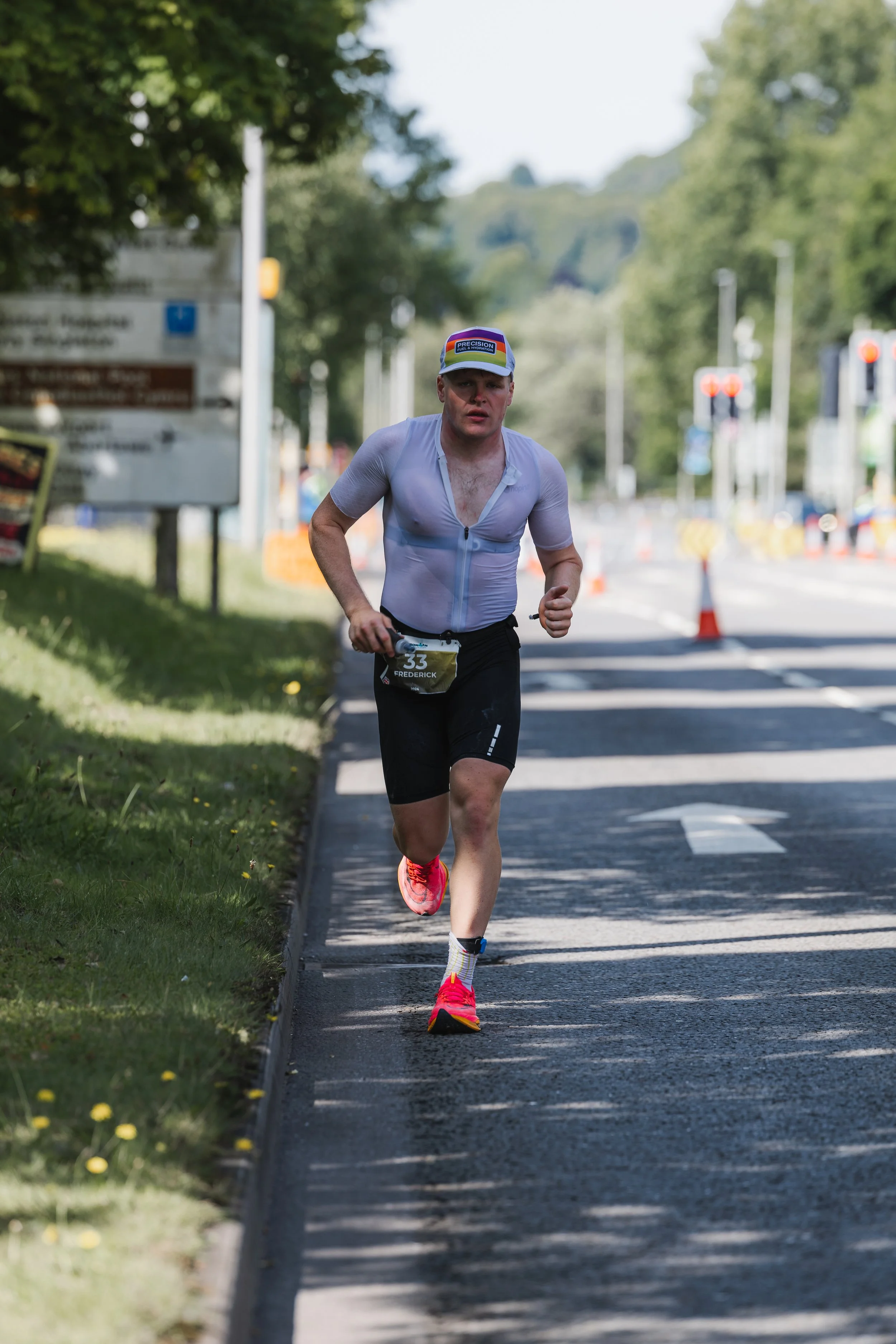
You Probably Don't Need More Training — You Need Better Training
When performance stalls, most triathletes assume they need more training. More miles, more sessions, and more intensity. The reality is often the opposite. Discover why better training—not more training—is usually the key to unlocking your next breakthrough.
If you're like most triathletes, you've probably had this thought before:
"Maybe I just need to train more."
More swimming.
More cycling.
More running.
More hours.
More suffering.
After all, if training is good, then more training must be better... right?
Not necessarily.
In fact, one of the biggest mistakes endurance athletes make is assuming that every performance problem can be solved by increasing training volume.
At Frederick Webb Triathlon, I've worked with athletes ranging from complete beginners to Age Group qualifiers and Ironman competitors.
And one pattern appears again and again:
Most athletes don't need more training.
They need better training.
The "More Is Better" Myth
Triathlon attracts ambitious people.
We're naturally driven to work hard.
When progress slows, the instinct is often simple:
Add another session.
Extend the long ride.
Run further.
Push harder.
The problem is that your body doesn't improve because of how much training you do.
It improves because of how well it adapts to that training.
More training only works if your body can recover from it.
Without recovery, you're simply accumulating fatigue.
Why More Training Stops Working
When athletes first start training, almost anything works.
More volume often leads to rapid improvements.
But eventually things change.
The athlete becomes fitter.
Adaptations become harder to achieve.
The margin for error becomes smaller.
At this point, simply adding more work often produces:
Chronic fatigue
Stagnant performance
Increased injury risk
Reduced motivation
Poor recovery
Declining session quality
Many athletes hit a plateau not because they're under-training but because they're no longer recovering effectively.
The Real Question: Is Your Training Effective?
Instead of asking:
"How much am I training?"
Ask:
"How effective is my training?"
These are very different questions.
An athlete training 10 focused hours per week can often outperform an athlete training 15–20 poorly structured hours.
Quality matters.
Purpose matters.
Execution matters.
Most Athletes Have a Recovery Problem, Not a Training Problem
This might be the most controversial statement in this article.
Many triathletes believe they need more fitness.
What they actually need is more recovery.
Training creates stress.
Recovery creates adaptation.
Without adequate recovery:
Muscles don't rebuild effectively
Fitness gains are reduced
Fatigue accumulates
Injury risk increases
The irony is that some athletes improve dramatically when they train less.
Not because less training is inherently better.
But because it finally allows adaptation to occur.
More Volume Isn't Always the Limiter
Imagine two athletes.
Athlete A
Trains 18 hours per week
Rarely takes recovery seriously
Constantly feels tired
Struggles to hit session targets
Athlete B
Trains 12 hours per week
Recovers well
Executes key sessions properly
Arrives fresh for important workouts
Which athlete is likely to improve more?
In many cases, Athlete B.
Because fitness is not built by accumulating hours.
Fitness is built by accumulating adaptations.
Every Session Should Have a Purpose
One of the easiest ways to identify poor training is to ask:
"Why am I doing this session?"
If the answer is:
"Because I always do it."
or
"I thought I needed more volume."
then the session may not be contributing much value.
Effective training should have a clear purpose.
For example:
Developing aerobic fitness
Improving threshold performance
Building race-specific endurance
Enhancing technique
Supporting recovery
Every session should move you closer to a specific goal.
The Hidden Cost of Junk Miles
Not all training is equal.
Many athletes accumulate what coaches often call "junk miles."
Training that:
Creates fatigue
Consumes recovery resources
Adds little meaningful adaptation
This doesn't mean easy training is bad.
Far from it.
Easy aerobic training is essential.
The issue is training without intention.
The goal isn't to be tired.
The goal is to become better.
Better Training Means Better Timing
The right session at the wrong time can still be the wrong session.
Consider an athlete completing a hard interval workout when they're already exhausted from work stress, poor sleep and previous training.
The workout might look impressive on TrainingPeaks.
But was it effective?
Smart training considers:
Fatigue
Recovery
Life stress
Upcoming races
Long-term progression
Training isn't simply about what you do.
It's about when you do it.
Why Personalisation Matters
This is where generic plans often fall short.
Two athletes might have identical race goals.
Yet they may require completely different training.
Factors such as:
Age
Experience
Injury history
Recovery capacity
Work commitments
Family life
Available training time
all influence what constitutes effective training.
The best training plan isn't the hardest one.
It's the one you can consistently execute and recover from.
Better Training Often Means Doing Less
This is something many athletes struggle to accept.
Sometimes improvement comes from:
Skipping an unnecessary session
Reducing intensity
Recovering properly
Improving sleep
Fueling better
Strength training intelligently
These changes don't look exciting on social media.
But they often produce significant performance gains.
The Best Athletes Don't Chase Fatigue
Many triathletes judge a session by how exhausted they feel afterwards.
The best athletes think differently.
They judge training by:
Performance improvements
Consistency
Recovery quality
Long-term progression
Being tired isn't a measure of success.
Being better is.
Better Training Is Specific
As race day approaches, training should become increasingly specific.
A sprint triathlon athlete doesn't need to train like an Ironman athlete.
An Ironman athlete doesn't need to train like an Olympic-distance specialist.
A first-time triathlete doesn't need the same programme as an Age Group qualifier.
Specificity matters.
Your training should reflect your goals.
Data Doesn't Matter If You Ignore It
Many athletes collect enormous amounts of training data:
Heart rate
Power
Pace
Sleep metrics
Recovery scores
Yet they ignore what the data is telling them.
If fatigue is rising, performance is declining and recovery is poor, adding more training is rarely the solution.
Smart athletes use data to guide decisions.
Not justify doing more.
The Coaching Difference
A good coach doesn't simply give athletes more training.
A good coach identifies:
What is working
What isn't working
What should change
What should stay the same
Sometimes that means increasing training.
Sometimes it means reducing it.
Sometimes it means changing the focus entirely.
The goal is always the same:
Maximise adaptation, not fatigue.
Why Frederick Webb Triathlon Focuses on Smarter Training
At Frederick Webb Triathlon, coaching is built around one principle:
Every session should have a purpose.
Athletes receive personalised training based on:
Goals
Lifestyle
Fitness level
Recovery capacity
Strengths and weaknesses
Race calendar
The aim is not to see how much training you can survive.
The aim is to help you achieve the best possible results from the time you have available.
Whether you're preparing for your first sprint triathlon, an Ironman, or targeting British Age Group qualification, smarter training consistently outperforms random hard work.
Final Thoughts
The next time your progress slows, resist the urge to immediately add more training.
Ask yourself:
Am I recovering properly?
Am I executing key sessions well?
Does every workout have a purpose?
Is my training aligned with my goals?
Am I training intelligently?
Because the truth is:
Most athletes don't need another session.
They need a better plan.
Success in triathlon rarely comes from doing the most work.
It comes from doing the right work.
At Frederick Webb Triathlon, we help athletes maximise every hour they invest in training through personalised coaching, intelligent planning and evidence-based progression.
Train smarter. Recover better. Race faster.
Why Smart Coaching Matters More Than Training Harder
When performance stalls, most triathletes assume they need to train harder. More miles, more intensity, and more hours seem like the obvious solution. Yet the athletes who improve the most are rarely the ones who simply train harder. They're the ones who train smarter. Discover why intelligent coaching can unlock greater results than endlessly increasing your training load.
When most athletes hit a plateau, their first instinct is predictable.
They decide they need to train harder.
More miles.
More sessions.
More intensity.
More suffering.
After all, triathlon is an endurance sport. Surely more work equals more improvement?
Not necessarily.
In fact, one of the biggest mistakes athletes make is assuming that performance problems are always solved by adding more training.
At Frederick Webb Triathlon, many athletes arrive after months—or even years—of working incredibly hard with little to show for it.
The common theme?
They weren't lacking effort.
They were lacking direction.
Because in endurance sport, success is rarely about who can train the hardest.
It's about who can train the smartest.
Hard Work Is Important—But It's Not Enough
Let's be clear.
Hard work matters.
No athlete reaches their potential without commitment and consistency.
But hard work alone does not guarantee improvement.
If it did, every athlete training 20 hours a week would be setting personal bests.
The reality is that performance comes from the right training at the right time—not simply doing more.
Many athletes confuse effort with effectiveness.
They're not the same thing.
The More-Is-Better Trap
One of the biggest myths in triathlon is that more training always leads to better results.
This mindset often leads athletes to:
Add extra sessions
Extend long rides unnecessarily
Increase run mileage too quickly
Turn easy sessions into hard sessions
Initially, this may produce improvements.
Eventually, however, fatigue catches up.
The result is often:
Performance plateaus
Poor recovery
Increased injury risk
Loss of motivation
Training harder only works when your body can recover and adapt.
Without recovery, you're simply accumulating fatigue.
Smart Coaching Provides Purpose
Every session should have a reason.
Unfortunately, many athletes train without understanding why they're doing specific workouts.
A coach ensures that every session fits into a larger plan.
Rather than random training, athletes follow a structured progression designed to develop specific physiological adaptations.
For example:
Aerobic endurance
Threshold power
Running economy
Swim efficiency
Race-specific fitness
The goal isn't to train more.
The goal is to train effectively.
Recovery Is Where Improvement Happens
This is one of the most misunderstood concepts in endurance sport.
Training creates stress.
Recovery creates adaptation.
Without sufficient recovery, your body cannot absorb the benefits of training.
Yet many athletes treat recovery as something optional.
Smart coaching recognises that recovery is not a break from training.
It is part of training.
The best programmes balance:
Workload
Recovery
Adaptation
This is often where significant performance gains are made.
Most Athletes Train Too Hard Too Often
One of the most common patterns seen in self-coached athletes is spending too much time at moderate-to-hard intensities.
Every session becomes:
Slightly harder than prescribed
Slightly longer than planned
Slightly more demanding than necessary
Over time, this creates a state where athletes are never fully fresh and never training optimally.
Smart coaching introduces discipline.
Sometimes the smartest session is not the hardest one.
The Right Session at the Right Time
Imagine two athletes.
Athlete A
Completes every session at maximum effort.
Athlete B
Follows a structured programme designed around progressive overload and recovery.
After several months, Athlete B is almost always performing better.
Why?
Because adaptation isn't random.
Training needs to be sequenced correctly.
Certain sessions prepare you for future sessions.
Certain periods prepare you for future races.
Coaching ensures these pieces fit together.
Coaching Removes Emotion From Decision-Making
Athletes are often poor judges of their own training.
When feeling motivated, they push too hard.
When feeling tired, they doubt their fitness.
When a race approaches, they panic and add extra sessions.
A coach provides objectivity.
Instead of emotional decisions, training becomes based on evidence, data, and long-term planning.
This often prevents athletes from sabotaging their own progress.
Smart Coaching Reduces Injury Risk
Many injuries don't happen because athletes are unlucky.
They happen because workload increases faster than the body can tolerate.
Common causes include:
Excessive run volume
Too much intensity
Inadequate recovery
Poor progression
A coach helps manage training load intelligently.
The goal isn't just improving performance this month.
It's ensuring you can continue improving next year as well.
Consistency is one of the most powerful performance tools available.
Performance Is More Than Fitness
Many athletes believe training is simply about becoming fitter.
In reality, successful racing requires much more.
A coach helps athletes develop:
Race pacing
Nutrition strategies
Recovery habits
Mental preparation
Strength training integration
Open water skills
These factors often influence race results as much as physical fitness.
The Cost of Guessing
Without coaching, many athletes spend years figuring things out through trial and error.
Some eventually find success.
Many waste valuable time making avoidable mistakes.
Common examples include:
Following inappropriate training plans
Racing too frequently
Tapering poorly
Under-fuelling
Ignoring weaknesses
Coaching accelerates learning and helps athletes avoid common pitfalls.
The Best Athletes Train Smarter
Look at successful athletes across endurance sports.
What stands out isn't simply how hard they work.
It's how intelligently they train.
They understand:
✔ Recovery matters
✔ Easy sessions have value
✔ Consistency beats hero workouts
✔ Long-term development wins
✔ Smart planning produces results
They don't chase fatigue.
They chase adaptation.
Why Coaching Is an Investment, Not a Cost
Many athletes think about coaching in terms of expense.
A better question is:
What is the cost of not having guidance?
Without structure, athletes often lose:
Time
Motivation
Confidence
Performance opportunities
Months of hard work can be undermined by a handful of avoidable mistakes.
A coach helps ensure that your effort produces meaningful results.
Why Frederick Webb Triathlon Focuses on Smart Coaching
At Frederick Webb Triathlon, the coaching philosophy is built around one simple principle:
Train with purpose.
Every athlete receives a personalised programme based on:
Goals
Experience
Lifestyle
Strengths
Limiters
Recovery capacity
The aim is not to see how much training an athlete can survive.
The aim is to discover how much performance they can gain.
Whether you're training for your first sprint triathlon, an Ironman, or British Age Group qualification, smart coaching helps ensure every session moves you closer to your goal.
Final Thoughts
Hard work will always be part of triathlon success.
But hard work without direction often leads to frustration.
The athletes who improve most consistently aren't always the most talented.
And they aren't always the ones training the hardest.
They're the athletes following a smart, structured approach that balances training, recovery, and long-term development.
Remember:
Training harder is easy. Training smarter is what produces results.
At Frederick Webb Triathlon, we help athletes maximise every hour they invest in training through personalised coaching, evidence-based planning, and ongoing support.
If you're tired of guessing, plateauing, or wondering whether you're doing the right training, coaching could be the difference between working hard and truly progressing.
Ready to unlock your potential? Get in touch with Frederick Webb Triathlon and discover what smart coaching can do for your performance.
Common Mistakes Athletes Make Trying to Qualify for the British Age Group Team
Many triathletes are capable of qualifying for the British Age Group Team but fall short because of avoidable mistakes. From poor race selection and pacing errors to ineffective training and inadequate recovery, discover the biggest reasons athletes miss qualification and how to maximise your chances of success.
Representing Great Britain at a European or World Championship is a dream for many triathletes.
Pulling on the GB Age Group trisuit is often the result of years of dedication, consistent training, and smart race execution.
Yet every season, many talented athletes miss qualification despite having the physical ability to achieve it.
Why?
Because qualification is about more than fitness alone.
At Frederick Webb Triathlon, we've worked with athletes targeting Age Group qualification across sprint, standard, middle-distance, and long-course racing. One thing becomes clear very quickly:
Most athletes who miss qualification don't do so because they lack talent. They miss it because they make avoidable mistakes.
If you're aiming to qualify for the British Age Group Team, understanding these mistakes can dramatically improve your chances of success.
Mistake 1: Training Hard Instead of Training Smart
One of the most common misconceptions in triathlon is that more training automatically leads to better results.
Many athletes chasing qualification become obsessed with:
Training volume
Hard sessions
Weekly mileage
The problem?
More training only works if you can recover from it.
Many aspiring qualifiers spend too much time training in a fatigued state, reducing the quality of key sessions and increasing injury risk.
The athletes who qualify consistently aren't always the ones training the most.
They're often the ones training most effectively.
Mistake 2: Ignoring Recovery
Recovery is often treated as something that happens when there's time.
In reality, recovery is part of training.
Without adequate recovery, your body cannot adapt.
Common recovery mistakes include:
Poor sleep habits
Inadequate fuelling
Excessive racing
Lack of recovery days
High life stress
Many athletes focus entirely on the sessions they complete while ignoring the recovery required to benefit from them.
The fastest athletes often recover just as well as they train.
Mistake 3: Racing Too Often
This is particularly common among ambitious age-group athletes.
You enter one race.
Then another.
Then another.
Before long, your season is packed with events.
Every race creates fatigue.
Every race requires recovery.
Every race disrupts training.
If qualification is your primary goal, your season should be built around your qualification races.
Everything else should support that objective.
Mistake 4: Choosing the Wrong Qualification Race
Not all qualification races are equal.
Some athletes select races based on convenience rather than opportunity.
Factors to consider include:
Course profile
Strengths and weaknesses
Competition level
Travel requirements
Time of year
A hilly bike course may favour one athlete.
A flat, fast course may favour another.
Strategic race selection can significantly improve qualification chances.
Mistake 5: Poor Pacing on Race Day
Many qualification attempts are lost because athletes race emotionally rather than strategically.
Examples include:
Starting the swim too hard
Chasing competitors on the bike
Running too aggressively early
Qualification races often reward patience.
Athletes frequently sacrifice minutes later in the race by gaining seconds early.
The most successful qualifiers understand their pacing strategy and stick to it.
Mistake 6: Neglecting Nutrition
Nutrition mistakes are one of the most preventable reasons athletes underperform.
Common issues include:
Under-fuelling during training
Poor hydration
Inadequate carbohydrate intake
Trying new products on race day
The longer the event, the greater the impact of nutrition.
You may have the fitness to qualify.
But if your nutrition strategy fails, your qualification chances can disappear quickly.
Mistake 7: Focusing Too Much on Qualification Standards
Many athletes spend weeks studying:
Previous qualification times
Rankings
Competitor results
While useful, this can become distracting.
The danger is racing the clock rather than racing your best race.
Qualification is often achieved through excellent execution rather than constant comparison.
Focus on controlling:
✔ Training
✔ Recovery
✔ Pacing
✔ Nutrition
✔ Preparation
The outcome usually takes care of itself.
Mistake 8: Ignoring Weaknesses
Most athletes enjoy training what they are already good at.
Unfortunately, qualification is often determined by weaknesses.
Examples:
Strong cyclists avoiding swim work
Good runners neglecting bike training
Athletes avoiding strength training
Improvement usually comes from addressing limiters rather than reinforcing strengths.
The athletes who qualify often make the biggest gains where they are weakest.
Mistake 9: Lack of Open Water Preparation
Many athletes train almost exclusively in pools.
Then arrive at an open water qualification race feeling uncomfortable and underprepared.
Open water introduces:
Crowding
Navigation
Variable conditions
Race pressure
A strong pool swimmer is not automatically a strong open water swimmer.
Practising open water skills can save valuable time and energy.
Mistake 10: Failing to Peak Properly
Many athletes arrive at qualification races tired.
Training has gone well.
Fitness is high.
But fatigue is even higher.
The final weeks before a qualification race should focus on reducing fatigue while maintaining fitness.
Trying to squeeze in extra training often backfires.
Fresh athletes perform well.
Fatigued athletes rarely do.
Mistake 11: Overcomplicating Training
The internet provides endless advice.
Training trends.
New methods.
Advanced workouts.
Many athletes become overwhelmed trying to optimise everything.
The reality is that qualification is usually built on fundamentals:
Consistent training
Appropriate recovery
Good nutrition
Smart pacing
Simple, well-executed training often beats complicated training.
Mistake 12: Trying to Do Everything Alone
Many athletes wait until they are close to qualification before seeking guidance.
This often means years of trial and error.
A coach can provide:
Objective feedback
Training structure
Accountability
Race planning
Qualification strategy
Sometimes the fastest route to qualification is avoiding the mistakes others have already made.
What Successful Qualifiers Do Differently
Athletes who consistently achieve Age Group qualification tend to:
Train consistently over long periods
Prioritise recovery
Race strategically
Focus on weaknesses
Execute nutrition plans well
Trust their training
Avoid panic decisions
Most importantly, they remain patient.
Qualification rarely happens because of one great session.
It is usually the result of months or years of smart preparation.
The Difference Between Fitness and Performance
One of the most important lessons in Age Group racing is understanding that fitness and performance are not the same thing.
Many athletes are fit enough to qualify.
Far fewer are prepared enough to qualify.
Performance requires:
Fitness
Freshness
Confidence
Execution
Ignoring any one of these can significantly impact results.
Final Thoughts
Qualifying for the British Age Group Team is an ambitious but achievable goal for many athletes.
However, success requires more than simply training harder.
Avoiding common mistakes can often provide a bigger performance gain than adding extra training hours.
Focus on:
✔ Smart training
✔ Effective recovery
✔ Strategic race selection
✔ Strong nutrition
✔ Proper tapering
✔ Excellent race execution
Do these consistently, and you'll give yourself the best possible chance of standing on the start line wearing a Great Britain trisuit.
At Frederick Webb Triathlon, we help athletes build structured pathways towards Age Group qualification through personalised coaching, race planning, and long-term performance development.
Ready to maximise your qualification potential? Get in touch with Frederick Webb Triathlon and start building your route to representing Great Britain.

How to Peak for Age Group Qualification Races
Qualifying for the British Age Group Team requires more than just getting fit. It requires arriving at the right race in peak condition. Learn how to structure your training, taper effectively, and maximise your chances of qualification when it matters most.
For many triathletes, there is no greater achievement than pulling on the Great Britain Age Group Tri-suit and representing your country at a European or World Championship.
The journey to qualification can take months, and sometimes years, of dedicated training.
Yet many athletes make one crucial mistake:
They focus entirely on getting fitter and not enough on peaking for the right race.
The reality is that Age Group qualification races are often won and lost by small margins. Finishing a few places higher, saving a minute across the race, or executing a smarter race strategy can be the difference between qualifying and missing out.
At Frederick Webb Triathlon, we've helped athletes progress from local racing to qualifying for international championships, and one lesson consistently stands out:
The fittest athlete doesn't always qualify. The athlete who peaks best often does.
What Does "Peaking" Actually Mean?
Peaking is the process of preparing your body to perform at its absolute best on a specific day.
It involves:
Building fitness
Managing fatigue
Timing your training correctly
Arriving mentally fresh
Executing effectively on race day
Many athletes focus heavily on fitness while forgetting that performance is a combination of both fitness and freshness.
Think of it this way:
A highly fit athlete carrying excessive fatigue rarely performs well.
A slightly less fit athlete who is fully recovered often outperforms them.
Start With the End Goal
One of the biggest mistakes athletes make is racing too frequently leading into qualification events.
If qualification is your primary goal, your season should revolve around that race.
Ask yourself:
Which race offers the best qualification opportunity?
How many weeks away is it?
What training do I need to arrive ready?
Once you know the target race, every decision should support that objective.
Too many athletes treat qualification races like any other event.
They aren't.
They deserve specific preparation.
Build Fitness Early, Not Late
The final few weeks before a qualification race are not the time to build fitness.
That work should already be done.
Fitness adaptations take time.
Trying to squeeze in extra hard sessions close to race day often leads to:
Fatigue
Reduced recovery
Poor race performance
The most successful athletes trust the work they've already completed.
The goal becomes maintaining fitness while reducing fatigue.
Understand the Importance of a Taper
One of the most misunderstood aspects of performance is tapering.
Many athletes worry that reducing training volume will make them lose fitness.
In reality:
A well-executed taper allows fitness to shine through.
The purpose of a taper is to:
Reduce accumulated fatigue
Maintain sharpness
Improve freshness
Optimise performance
Most age-group athletes perform best with a taper of approximately:
Sprint Distance
3–5 days
Standard Distance
5–7 days
Middle Distance
7–10 days
Individual responses vary, but most athletes benefit from arriving slightly undertrained rather than over-fatigued.
Maintain Intensity, Reduce Volume
A common taper mistake is removing all intensity.
Athletes suddenly stop doing race efforts and spend the final weeks moving slowly.
This can leave them feeling flat.
Instead:
Reduce training volume while maintaining some race-specific intensity.
The goal is to stay sharp without creating fatigue.
Think:
Less training.
Not easier training.
Prioritise Recovery
During the final weeks before a qualification race, recovery becomes just as important as training.
Focus on:
Sleep
Nutrition
Hydration
Stress management
The best training plan in the world can be undermined by poor recovery habits.
Many athletes are surprised by how much better they feel when they simply prioritise rest.
Practise Race-Day Nutrition
Qualification races are not the time to experiment.
Your nutrition strategy should already be tested.
Practise:
Pre-race breakfast
Hydration plan
Race fuelling
Recovery nutrition
You want race morning to feel familiar.
Every uncertainty creates unnecessary stress.
Prepare for the Course
The best athletes don't just prepare for the distance.
They prepare for the specific course.
Consider:
Elevation profile
Technical sections
Weather conditions
Water temperature
Wind exposure
The more prepared you are, the fewer surprises you'll encounter.
A race-specific approach often provides a significant advantage.
Don't Chase Fitness in the Final Two Weeks
This is perhaps the biggest mistake athletes make.
They feel nervous.
Training volume decreases.
They worry they are losing fitness.
They start adding:
Extra runs
Hard intervals
Long rides
This often backfires.
Remember:
Fitness is already there.
Your job is simply to arrive ready to express it.
Develop a Qualification Mindset
Qualification racing is different.
The pressure feels higher.
The stakes feel bigger.
Many athletes become distracted by:
Qualification times
Competitor results
Social media predictions
Instead, focus on what you can control:
✔ Pacing
✔ Nutrition
✔ Execution
✔ Preparation
✔ Attitude
The athletes who perform best tend to remain process-focused rather than outcome-focused.
Race Your Race
One of the quickest ways to ruin a qualification attempt is racing emotionally.
You see someone from your age group surge ahead.
You panic.
You chase.
Suddenly you're riding above target effort.
Qualification races reward discipline.
Stick to your plan.
Trust your training.
Many athletes who go out aggressively pay for it later.
Common Age Group Qualification Mistakes
Racing Too Often
Every race carries fatigue.
Protect your A-race.
Training Too Hard Before the Event
Last-minute fitness gains are minimal.
Last-minute fatigue is not.
Poor Tapering
Too much or too little reduction in training can impact performance.
Ignoring Nutrition
Many qualification opportunities disappear because athletes underfuel.
Comparing Yourself to Others
Focus on your performance, not somebody else's.
What Successful Qualifiers Do Differently
Athletes who consistently qualify tend to:
Train consistently
Avoid unnecessary racing
Prioritise recovery
Trust their taper
Execute race plans effectively
Remain patient under pressure
They understand that qualification is rarely about a single heroic training session.
It's usually the result of months of smart preparation.
How Coaching Can Improve Qualification Chances
One of the biggest advantages of working with a coach is having an objective perspective.
Athletes often struggle to know:
When to push
When to recover
When to taper
How to pace qualification races
A coach helps remove guesswork and ensures every phase of training supports the ultimate goal.
For many athletes, this structured approach can significantly improve qualification prospects.
Final Thoughts
Qualifying for the British Age Group Team is a fantastic achievement and one that requires more than simply getting fitter.
Success comes from:
✔ Consistent training
✔ Smart planning
✔ Effective tapering
✔ Race-specific preparation
✔ Excellent execution
The athletes who qualify are often not the athletes who train the hardest in the final few weeks.
They are the athletes who arrive at the start line healthy, fresh, confident, and ready to perform.
At Frederick Webb Triathlon, we help athletes build long-term plans designed around qualification goals, ensuring they arrive at key races ready to perform at their very best.
Whether you're targeting your first Age Group qualification or aiming for a championship podium, the right preparation can make all the difference.
Ready to maximise your chances of qualification? Get in touch with Frederick Webb Triathlon and start building your pathway to representing Great Britain.
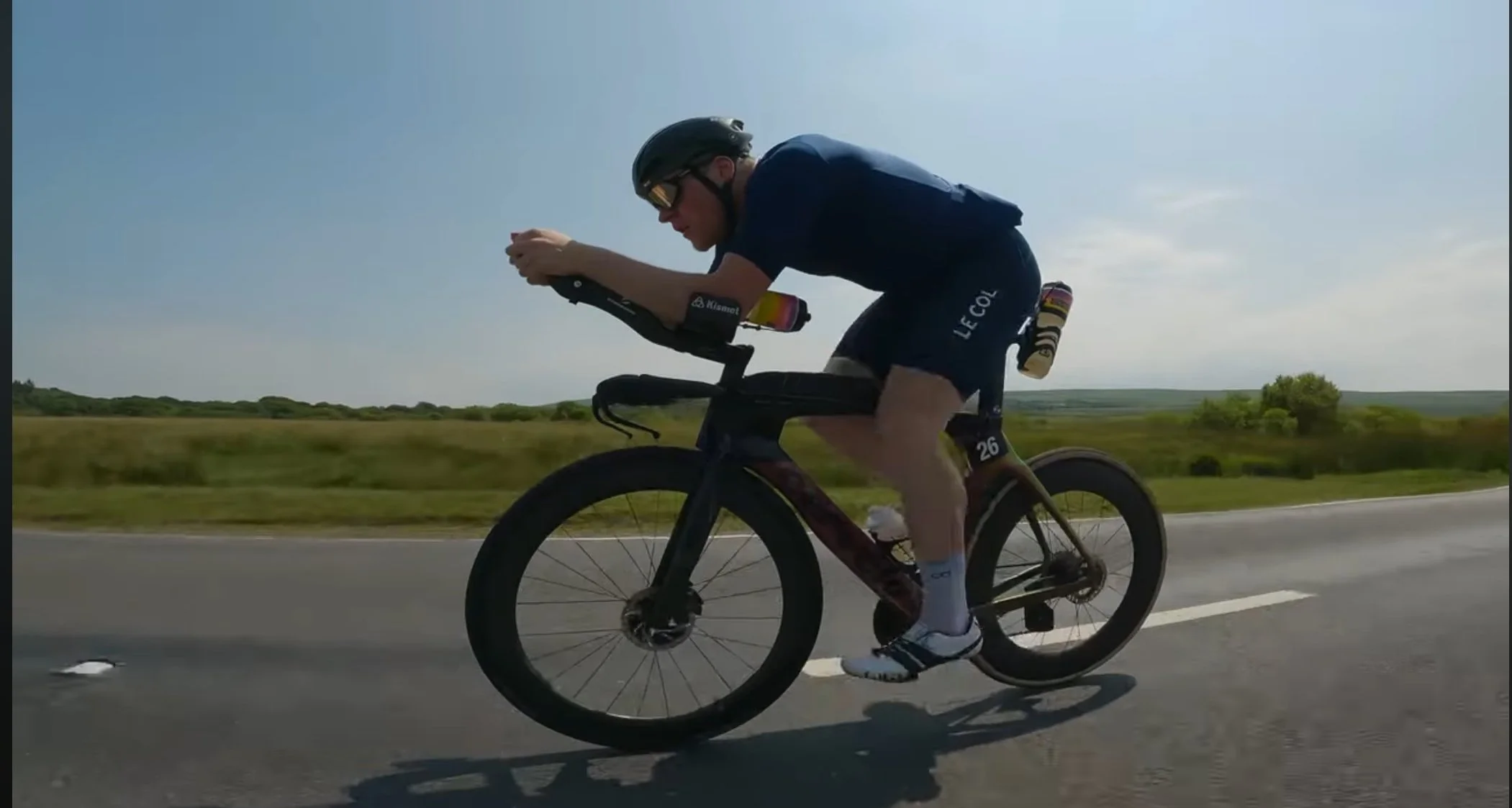
In-Person Triathlon Coaching, Beats AI Training Apps
AI training platforms can generate workouts, but can they truly coach an athlete? Discover why in-person coaching remains the gold standard for triathletes seeking long-term improvement and race-day success.
Artificial intelligence is changing sport.
Today, athletes can download an app, answer a few questions, and receive a personalised training plan within minutes.
Training platforms can analyse power data, track recovery scores, and automatically adjust workouts.
On the surface, it sounds impressive.
And for some athletes, it can be helpful.
But there is an important question many triathletes should ask:
Can an AI platform truly replace a coach?
At Frederick Webb Triathlon, we believe technology is a fantastic tool.
Power meters, heart rate monitors, GPS watches, and training software all have a place in modern endurance sport.
However, there is a huge difference between receiving training recommendations and receiving genuine coaching.
Because coaching is not simply about prescribing workouts.
It is about understanding the athlete behind the data.
Training Plans Are Easy. Coaching Is Hard.
Most AI platforms are very good at generating training sessions.
They can calculate:
Training stress
Weekly volume
Recovery metrics
Predicted performance
But coaching goes far beyond numbers.
A coach understands:
Your personality
Your strengths
Your fears
Your motivations
Your lifestyle
Your goals
Two athletes can have identical fitness data and require completely different coaching approaches.
An algorithm may see numbers.
A coach sees a person.
Real Life Doesn't Follow Algorithms
One of the biggest weaknesses of AI coaching is that life rarely follows a perfect plan.
Consider the following:
A stressful week at work
Poor sleep from a newborn baby
Family commitments
Travel disruptions
Illness
Injury concerns
Most training apps can react to missed sessions.
A coach can understand why they happened.
That distinction matters.
Sometimes the best decision is not to push harder.
Sometimes it is to back off.
A good coach understands context.
Accountability Changes Everything
One of the biggest reasons athletes improve with coaching is accountability.
It's easy to ignore an app notification.
It's much harder to ignore a coach who genuinely cares about your progress.
Knowing someone is:
Reviewing your training
Monitoring your development
Tracking your consistency
Often improves adherence dramatically.
And consistency is where performance gains are built.
Most athletes already know what they should do.
The challenge is doing it consistently.
Experience Matters
A coach draws upon years of practical experience.
They have seen:
Race-day disasters
Qualification successes
Injury setbacks
Performance breakthroughs
That experience creates judgement.
And judgement is difficult to automate.
For example:
An AI platform may suggest a workout based on data trends.
An experienced coach may recognise signs of:
Burnout
Overtraining
Loss of confidence
Mental fatigue
Before they appear in the data.
Triathlon Is More Than Fitness
Success in triathlon involves much more than physiological performance.
Athletes often struggle with:
Open Water Confidence
An app cannot stand beside a lake and help you overcome swim anxiety.
Bike Handling Skills
An algorithm cannot watch your cornering technique.
Running Mechanics
A training platform cannot observe your movement patterns in real time.
Race-Day Decision Making
A coach can prepare you for scenarios that data alone cannot predict.
The human side of performance matters.
Motivation Is Personal
Every athlete is motivated differently.
Some respond to challenge.
Others need reassurance.
Some thrive under pressure.
Others perform best when confidence is built gradually.
An experienced coach adapts communication accordingly.
This relationship often becomes one of the most valuable aspects of coaching.
Because motivation is rarely a training problem.
It is usually a human problem.
Data Doesn't Tell the Whole Story
Modern endurance sport loves metrics.
Power.
Pace.
Heart rate.
Training stress.
Recovery scores.
All useful.
But data is incomplete.
For example:
An athlete may hit every target while:
Losing confidence
Feeling overwhelmed
Struggling mentally
The numbers look good.
The athlete does not.
A coach can identify these issues long before they impact performance.
Race Strategy Requires Human Understanding
Many races are not won by the fittest athlete.
They are won by the athlete who executes best.
A coach helps athletes develop:
Pacing strategies
Nutrition plans
Mental preparation
Race execution skills
These decisions often involve nuance.
A spreadsheet cannot always account for:
Weather
Course demands
Athlete psychology
Race dynamics
Experience becomes invaluable.
Technology Is a Tool, Not a Coach
This is where many athletes get confused.
Technology is fantastic.
We use it every day.
At Frederick Webb Triathlon, data plays an important role in athlete development.
But technology should support coaching.
Not replace it.
The best coaching combines:
✔ Data analysis
✔ Performance science
✔ Human experience
✔ Individual understanding
This combination remains incredibly powerful.
The Value of In-Person Coaching
There is also something unique about face-to-face coaching.
Whether it's:
Poolside swim feedback
Open water sessions
Bike skills coaching
Strength training support
Immediate feedback accelerates learning.
A coach can identify issues in seconds that may take months to discover through an app.
For example:
A small adjustment to:
Swim technique
Bike position
Running form
Can unlock significant performance gains.
Those opportunities are often missed when coaching is entirely automated.
What Athletes Really Need
Most athletes do not need more data.
They need:
Clarity
Structure
Accountability
Experience
Confidence
A coach provides all of these.
And perhaps most importantly:
A coach understands when the best decision is not the obvious one.
The Future Is Human Plus Technology
The future of triathlon coaching is unlikely to be:
Human coaches versus AI.
Instead, it will be:
Human coaches using technology effectively.
The best results often come from combining:
Performance data
Training science
Personal relationships
Real-world experience
Technology can inform decisions.
But people still make them.
Final Thoughts
AI training platforms are becoming increasingly sophisticated.
They can generate plans, analyse data, and provide useful insights.
But coaching is about more than workouts.
It is about understanding the athlete behind the numbers.
The best triathlon performances are rarely built through algorithms alone.
They are built through:
✔ Trust
✔ Communication
✔ Accountability
✔ Experience
✔ Personalised guidance
Technology is powerful.
But genuine coaching remains irreplaceable.
At Frederick Webb Triathlon, we combine modern performance tools with personalised one-to-one coaching to help athletes achieve goals ranging from first triathlons to British Age Group qualification and Ironman success.
If you're looking for more than just a training plan, get in touch with Frederick Webb Triathlon and experience the difference that real coaching can make.
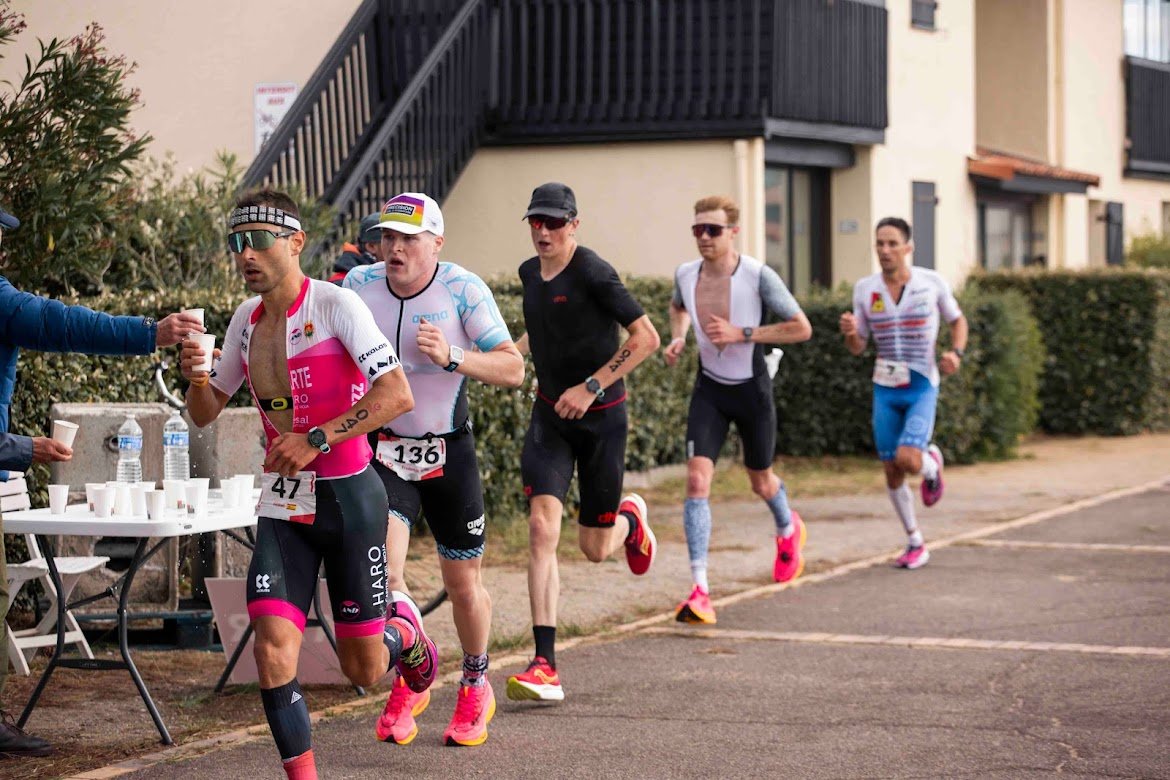
What Does It Take to Qualify for Age Group Racing?
Dreaming of racing for Great Britain? Discover what it really takes to qualify for British Age Group triathlon racing, how competitive it is, and what separates qualifiers from the rest.
For many amateur triathletes, there is one goal that stands above the rest:
Qualifying to represent Great Britain.
The idea of wearing the GB trisuit, standing on an international start line, and racing against the best athletes in your age category is incredibly motivating.
But for many athletes, the same question quickly follows:
“What does it actually take to qualify for age group racing?”
Do you need elite genetics?
A professional-level training schedule?
Years of experience?
The answer might surprise you.
At Frederick Webb Triathlon, we work with athletes targeting British Age Group qualification — from first-time qualifiers to athletes aiming for podiums.
And while qualification is never easy, it is often more realistic than many athletes believe.
Here is what it really takes.
First: What Is Age Group Racing?
Age-group racing allows amateur athletes to represent Great Britain internationally while competing against athletes in the same age category.
Rather than racing professionals, you compete within five-year age bands such as:
20–24
25–29
30–34
35–39
(and so on)
Qualification is typically earned through designated races where athletes compete for championship places.
Events can include:
Sprint triathlon
Standard/Olympic distance triathlon
Middle distance
Long distance
Duathlon
Aquathlon
For many athletes:
This becomes the ultimate amateur goal.
You Do NOT Need to Be an Elite Athlete
Let’s start with one of the biggest misconceptions.
Many athletes assume:
“I’m not talented enough.”
The reality?
Most British Age Group athletes are ordinary people with:
Full-time jobs
Families
Busy schedules
They are not professionals.
What separates them is usually:
Consistency.
Not perfection.
Not talent alone.
Consistent training over time often beats sporadic hard training.
Consistency Matters More Than Hero Sessions
One huge mistake athletes make is chasing big sessions.
The truth?
Qualification is rarely built through occasional massive workouts.
It comes from:
Week after week of solid training.
Successful athletes usually:
✔ Train consistently
✔ Recover properly
✔ Avoid long injury breaks
✔ Build gradually
Many qualifiers are simply very good at showing up.
Over months.
And years.
Smart Training Beats Just Training Hard
Doing more training is not always the answer.
In fact:
Many athletes train hard but not effectively.
What usually matters more?
Structure.
Successful age-group athletes tend to:
Train with purpose
Balance intensity well
Improve weaknesses
Prioritise recovery
Random training rarely works.
Specific training usually does.
At Frederick Webb Triathlon, one of the biggest differences we see comes from athletes moving from “training hard” to training strategically.
You Need to Improve Weaknesses
Age-group qualification usually exposes weaknesses quickly.
You cannot hide poor fitness across:
Swim
Bike
Run
A weak discipline often limits qualification chances.
Common examples:
Weak Swim
Can create too much time loss early.
Weak Bike
Makes running difficult.
Weak Run
Often limits strong athletes late in races.
Successful qualifiers usually spend time improving their weakest area.
Not just training what they enjoy.
Race Execution Matters More Than People Think
This surprises many athletes.
Fitness alone is not enough.
Many qualification attempts are lost through:
Poor pacing
Going too hard early often destroys the run.
Nutrition mistakes
Under-fuelling hurts performance.
Bad transitions
Small mistakes matter.
Panic in the swim
Especially in sprint qualification races.
Sometimes qualification is decided by:
Seconds.
Attention to detail matters.
You Need Realistic Expectations
Here is the honest truth:
Qualification is hard.
Some athletes qualify quickly.
Others may need:
2 years
3 years
Longer
And that is normal.
Progress is rarely linear.
The biggest mistake?
Expecting instant results.
The athletes who usually succeed are the ones who:
Stay patient
Stay consistent
Keep improving
Small improvements compound.
Training Volume Matters — But Less Than You Think
Many athletes assume qualifiers train enormous hours.
Sometimes.
But not always.
Quality matters more than blindly chasing volume.
For example:
A well-structured:
10–14 hour week
Can outperform an unstructured:
18–20 hour week
Especially for sprint and standard distance qualification.
Efficiency matters.
Recovery matters.
Smart coaching matters.
Recovery Is Often the Missing Piece
Hard training only works if you recover.
Successful athletes take recovery seriously.
This includes:
Sleep
Fuelling
Easy days
Strength training
Injury prevention
Burnout helps nobody.
One of the biggest qualification killers is:
Training too hard too often.
Mentality Makes a Huge Difference
Qualifying athletes often develop a certain mindset.
They:
✔ Stay calm under pressure
✔ Learn from setbacks
✔ Keep perspective
✔ Stay process-focused
There will be:
Bad races
Tough training blocks
Setbacks
That is normal.
Progress usually comes from persistence.
Not perfection.
Picking the Right Race Matters
This is massively underrated.
Not every qualifier suits every athlete.
Some races favour:
Strong cyclists
Fast runners
Strong swimmers
Conditions matter too:
Flat vs hilly
Technical vs fast courses
Weather
Choosing races strategically can improve qualification chances significantly.
At Frederick Webb Triathlon, race selection is something we often plan carefully with athletes.
Common Mistakes Athletes Make
Racing Too Much
More races ≠ better preparation.
Ignoring Weaknesses
Fix the limiter.
Training Like Someone Else
Your body is unique.
No Structure
Random training rarely delivers qualification.
Chasing Fitness Instead of Execution
Race strategy matters.
Can You Qualify Later in Life?
Absolutely.
Triathlon is unique.
Many athletes qualify in their:
40s
50s
Even 60s+
Endurance performance can improve for years.
Do not assume it is “too late.”
Many athletes start triathlon far later than expected.
So… What Does It Really Take?
In simple terms:
Qualifying for age-group racing usually requires:
✔ Consistency
✔ Smart training
✔ Patience
✔ Race execution
✔ Attention to weaknesses
✔ Strong recovery habits
Not superhuman talent.
Not perfection.
Just structured progression.
Final Thoughts
If racing for Great Britain feels intimidating:
That is normal.
But do not assume qualification is out of reach.
Many successful qualifiers began exactly where you are now.
Wondering if it was possible.
The athletes who eventually succeed are often not the most talented.
They are the ones who:
Stay consistent
Train smart
Keep improving
At Frederick Webb Triathlon, we help athletes move from ambitious goals to realistic plans — whether the aim is a first sprint triathlon or British Age Group qualification.
Want a realistic pathway toward age-group qualification? Get in touch with Frederick Webb Triathlon and start building your plan today.
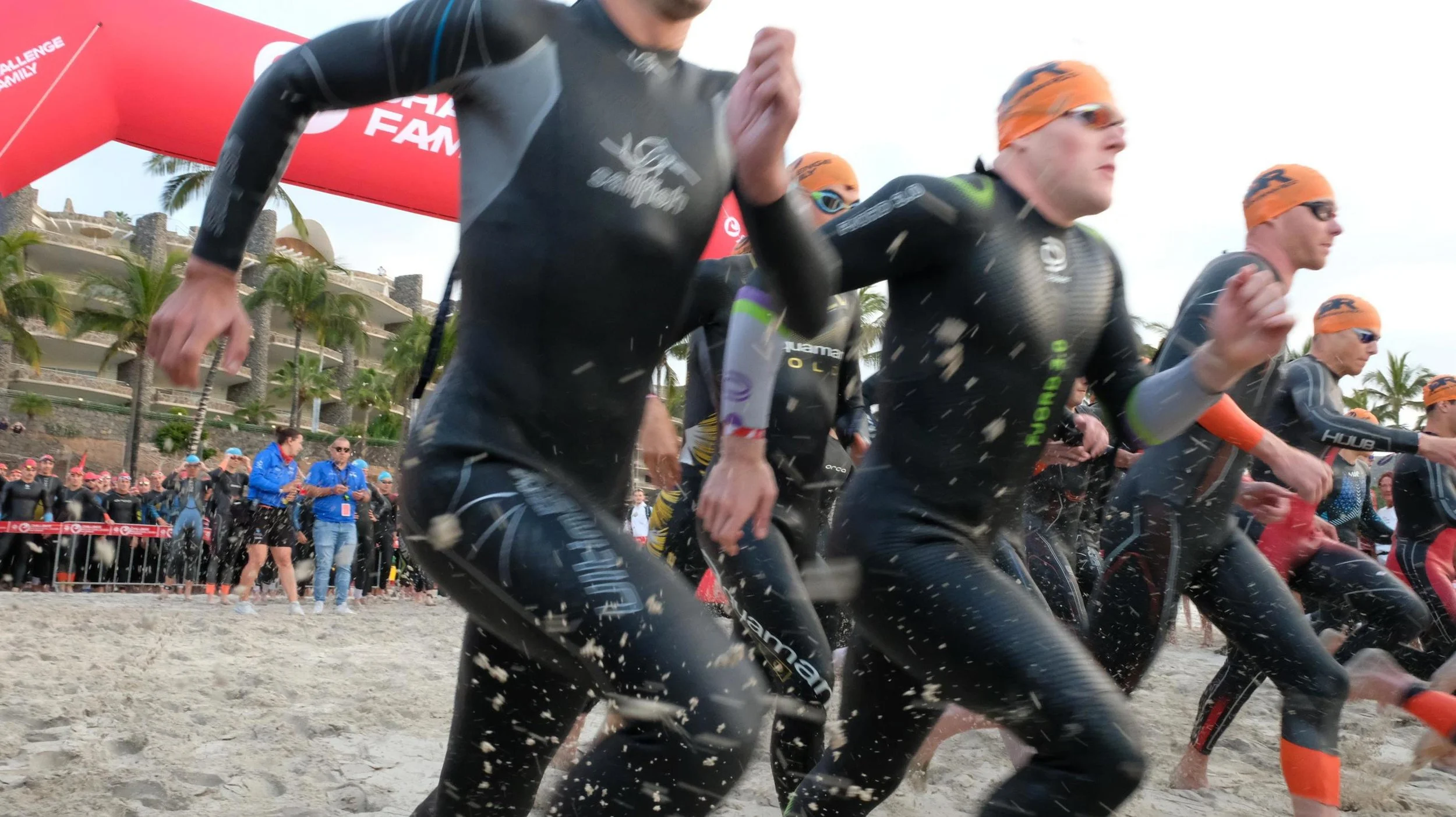
Sprint vs Standard Distance: Which Gives You the Best Chance?
Should you race sprint or standard distance triathlon? Discover the key differences, who each distance suits best, and which may give you the best chance of success or British Age Group qualification.
One of the biggest decisions triathletes face is:
Should I race sprint distance or standard distance?
For some athletes, sprint racing feels exciting and fast.
For others, standard distance feels more manageable because the pacing is less aggressive.
And if you are targeting British Age Group qualification, choosing the right distance can make a major difference.
The truth is:
Neither distance is “better.”
But one may suit your strengths, fitness profile, and racing style significantly more.
At Frederick Webb Triathlon, we often help athletes decide which distance offers the best chance of:
Better performance
Faster progression
More enjoyment
Greater qualification opportunities
So let’s break down Sprint vs Standard distance triathlon and figure out which might give you the best chance.
First: What Are the Distances?
Sprint Distance Triathlon
Typically includes:
750m swim
20km bike
5km run
Sprint races are:
Shorter
Faster paced
More intense
Often lasting:
1–1.5 hours depending on ability.
Standard (Olympic) Distance Triathlon
Typically includes:
1500m swim
40km bike
10km run
Standard distance races demand:
More endurance
Better pacing
Stronger aerobic fitness
Usually lasting:
2–3+ hours.
While standard distance is only “double” sprint distance on paper:
It often feels significantly different physically and mentally.
Sprint Distance: Who Does It Suit Best?
Sprint triathlon often rewards athletes who are:
✔ Naturally fast
✔ Strong runners
✔ Comfortable suffering at high intensity
✔ Good at short, aggressive efforts
Sprint racing is hard.
Really hard.
Because there is very little room to settle in.
Pacing tends to feel:
“Uncomfortably hard from the start.”
There is less opportunity to recover from mistakes.
A poor swim or bike section can be difficult to claw back.
Sprint distance particularly suits athletes who:
Come from running backgrounds
Have good top-end speed
Recover quickly from hard efforts
Perform well under pressure
If you enjoy intensity:
Sprint may suit you.
Standard Distance: Who Does It Suit Best?
Standard distance tends to favour athletes with:
✔ Better endurance
✔ Strong aerobic fitness
✔ Good pacing ability
✔ Patience and discipline
Unlike sprint racing:
You cannot simply “redline” from the start.
Pacing becomes far more important.
Too hard early?
You will pay later.
Standard distance often rewards:
Strong cyclists
Efficient swimmers
Endurance-focused athletes
Athletes who improve steadily over time often perform extremely well here.
For many triathletes:
Standard distance feels more tactical.
Less chaotic.
More controlled.
Which Distance Is Better for Beginners?
This surprises many athletes.
People often assume sprint is automatically easier.
Sometimes:
It is.
Sometimes:
It is not.
Why Sprint Can Be Hard for Beginners
Sprint racing feels short.
But intensity is high.
Beginners often go:
Too hard on the bike
Too fast in the run
Panic in the swim
The shorter format leaves little margin for pacing errors.
Why Standard Can Be Better for Some Athletes
The slightly longer distance encourages steadier pacing.
Many endurance-oriented beginners actually find standard distance more comfortable.
Especially athletes from:
Cycling backgrounds
Running endurance backgrounds
Long-distance sports
The best beginner distance depends on:
Fitness profile
Confidence
Training time
Personality
Which Gives the Best Chance of British Age Group Qualification?
This is where strategy matters.
The honest answer:
It depends on your strengths and competition depth.
Some observations:
Sprint Qualification
Often:
More competitive
Faster athletes
Stronger runners
Margins can be tiny.
Seconds matter.
Sprint racing usually favours:
High power output
Fast transitions
Explosive pacing
Standard Distance Qualification
Often rewards:
Endurance
Experience
Smart pacing
Mistakes become more costly.
But endurance athletes sometimes thrive here.
At Frederick Webb Triathlon, we often help athletes choose qualification races strategically.
Sometimes the smartest move is not racing the most popular distance.
It is racing the distance that suits your physiology and strengths.
Swimming Matters More Than You Think
Sprint Distance
A weak swim can hurt badly.
There is less time to recover.
Small gaps become meaningful quickly.
Standard Distance
The swim still matters.
But there is more opportunity to settle into rhythm and recover on the bike.
Confident swimmers often enjoy sprint.
Nervous swimmers sometimes prefer standard pacing.
Bike Strength Changes Everything
Strong Cyclists Often Prefer Standard
Why?
More time to leverage bike strength.
You have longer to:
Ride tactically
Build advantage
Set up the run
Strong Runners Often Like Sprint
Shorter races often favour athletes who can:
Push hard
Run aggressively off the bike
Especially over 5km.
Which Is More Enjoyable?
This is personal.
Sprint Racing Feels:
Fast
Exciting
Aggressive
Adrenaline-heavy
Standard Racing Feels:
More strategic
More aerobic
More controlled
Some athletes love sprint chaos.
Others love pacing and endurance.
You may need to try both.
Many athletes are surprised by what they enjoy most.
Recovery Between Races
Sprint racing often allows:
More frequent racing
Faster recovery
This makes it useful for:
Gaining race experience
Testing pacing
Standard distance usually requires:
Longer recovery
More structured preparation
This can mean fewer races but bigger performance gains.
Common Mistakes When Choosing
Picking Based on Fear
Do not avoid standard because it looks longer.
You may actually suit it better.
Following Friends
Your strengths are unique.
Assuming Sprint Is Easier
Higher intensity changes things.
Ignoring Your Background
Your sport history matters.
Former runners often love sprint.
Endurance cyclists often thrive in standard.
So… Which Gives You the Best Chance?
Choose sprint if you:
✔ Like intensity
✔ Have strong running speed
✔ Recover quickly
✔ Enjoy racing hard
Choose standard if you:
✔ Prefer endurance
✔ Pace well
✔ Have strong bike fitness
✔ Like controlled racing
For British Age Group qualification:
The smartest distance is usually:
The one that best matches your strengths.
Not necessarily the shortest.
Not necessarily the hardest.
The one that gives you the best chance to perform at your highest level.
Final Thoughts
Sprint and standard distance both offer brilliant racing experiences.
Neither is universally better.
The best choice depends on:
✔ Your physiology
✔ Your experience
✔ Your mindset
✔ Your strengths
✔ Your goals
The biggest mistake?
Racing a distance because everyone else says you should.
Race the one that fits you.
At Frederick Webb Triathlon, we help athletes choose the right race distance, structure training, and maximise performance — whether the goal is a first finish line, a personal best, or British Age Group qualification.
Not sure which distance suits you best? Get in touch with Frederick Webb Triathlon and build a smarter race strategy today
The History of British Age Group Qualification in Triathlon
How did British Age Group qualification begin? Discover the history behind the British Age Group Team, how qualification evolved, and why racing for Great Britain became a major goal for triathletes.
For many amateur triathletes, wearing the Great Britain trisuit represents the pinnacle of achievement.
The opportunity to race internationally, represent your country, and compete against the best athletes in your age category is something many athletes dream of.
But British Age Group qualification has not always looked the way it does today.
The system has evolved significantly over the years, shaped by the rapid growth of triathlon participation, international competition, and the increasing professionalism of age-group sport.
At Frederick Webb Triathlon, we work with athletes aiming to qualify for the British Age Group Team, and understanding the history behind the pathway helps explain why qualification today has become both more competitive and more rewarding.
Here is the story of the history of British Age Group qualification in triathlon.
The Early Days of Triathlon in Britain
Triathlon arrived in the UK during the 1980s, inspired largely by the sport’s rapid rise in the United States.
In those early years, triathlon was still considered niche.
Races were smaller, grassroots-driven, and often organised by local clubs.
There was little formal structure compared to modern racing.
Athletes simply entered races for personal challenge and competition.
As participation grew, demand increased for better race organisation, standardised rules, and national governance.
This eventually led to the creation of:
British Triathlon
Founded in the early 1980s, British Triathlon became responsible for governing the sport across the UK and developing pathways for both elite and amateur athletes.
The rise of structured competition helped open the door for international age-group racing.
The Birth of International Age-Group Competition
In the beginning, international triathlon competition focused largely on elite athletes.
However, endurance sport naturally attracted amateur participation.
Athletes wanted opportunities to race internationally while still competing fairly against peers of similar age.
This led to the development of age-group racing.
Rather than competing against professionals, athletes raced within age categories such as:
20–24
25–29
30–34
35–39
(and beyond)
This transformed triathlon.
Suddenly:
International competition became realistic for everyday athletes.
You no longer needed to be a professional to wear national colours.
You simply needed to qualify.
How the British Age Group Team Developed
As international championship racing expanded, British Triathlon introduced a structured qualification pathway.
The aim was to:
Reward competitive amateur athletes
Create fair selection systems
Develop stronger international representation
The British Age Group Team emerged as an opportunity for amateur athletes to represent Great Britain at major championship events.
Over time, athletes began competing at:
World Triathlon championships
Europe Triathlon championships
Across disciplines such as:
Sprint triathlon
Standard/Olympic distance triathlon
Middle distance
Long distance
Duathlon
Aquathlon
Cross triathlon
The concept quickly gained popularity.
For many athletes, qualification became a major career goal within amateur sport.
How Qualification Used to Work
In the early years, qualification pathways were often less formal than they are today.
Participation numbers were smaller.
Competition depth was lower.
Some races featured:
Smaller age-group fields
Fewer qualification standards
Simpler entry systems
As triathlon participation exploded during the 1990s and 2000s, things changed rapidly.
More athletes entered the sport.
Race standards improved.
Qualification became increasingly competitive.
What may once have required solid club-level performance eventually demanded structured training and specialist preparation.
The Olympic Effect on British Triathlon
A major turning point came when triathlon joined the Olympic Games at the:
2000 Summer Olympics
The inclusion of triathlon in the Olympics dramatically increased visibility.
Participation surged.
In the UK, this momentum accelerated even further following:
2012 Summer Olympics
And particularly after the success of British triathletes including:
Alistair Brownlee and Jonathan Brownlee.
Their Olympic success inspired huge numbers of amateur athletes to enter triathlon.
Naturally:
Interest in age-group qualification increased too.
Representing Great Britain no longer felt like something reserved for elite-level competitors.
It became an aspirational but realistic goal for committed amateurs.
Why Qualification Is Harder Today
Modern British Age Group qualification is more competitive than ever.
Why?
More Participants
Triathlon participation has grown enormously.
Larger fields mean stronger competition.
Better Coaching
Athletes now train smarter.
Access to:
Online coaching
Data tracking
Power meters
Structured programmes
Has raised standards significantly.
Marginal Gains Matter
Modern qualifiers focus on:
Aerodynamics
Nutrition
Strength training
Swim efficiency
Race pacing
Small improvements can now decide qualification.
Sometimes qualification is determined by only seconds.
How Qualification Works Today
Modern British Age Group qualification uses designated qualifying races.
Athletes compete for places based on:
Age category
Finishing performance
Qualification standards
Depending on the championship event, athletes may qualify through:
Automatic qualification
Roll-down places
This system ensures fairness while maintaining high performance standards.
Importantly:
You do not necessarily need to win your age group.
Many athletes qualify through consistency and smart racing.
Why Age Group Racing Has Become So Popular
For many amateur athletes, age-group racing provides:
Clear goals
Competitive structure
Community
International travel
Personal achievement
There is something uniquely rewarding about racing while representing your country.
For many athletes, qualification becomes a defining sporting achievement.
And for others?
The pursuit itself drives years of progression.
What the Future May Look Like
The future of British Age Group qualification will likely continue evolving.
Potential trends include:
Larger qualification fields
Increased competitiveness
Greater international participation
More technology-driven preparation
But one thing seems certain:
The appeal of racing for Great Britain will continue growing.
The trisuit still means something special.
It represents commitment, discipline, and years of hard work.
Final Thoughts
The history of British Age Group qualification shows how far triathlon has come.
What began as a niche endurance sport has evolved into a highly competitive pathway allowing amateur athletes to represent Great Britain on the international stage.
Today, qualification demands:
✔ Consistency
✔ Smart training
✔ Strong race execution
✔ Patience
But for many athletes:
It remains one of the most rewarding achievements in triathlon.
At Frederick Webb Triathlon, we help athletes work towards ambitious goals — from first sprint triathlons to British Age Group Team qualification — through personalised coaching and structured performance planning.
Dreaming of wearing the GB trisuit? Get in touch with Frederick Webb Triathlon and start building your pathway to qualification today.
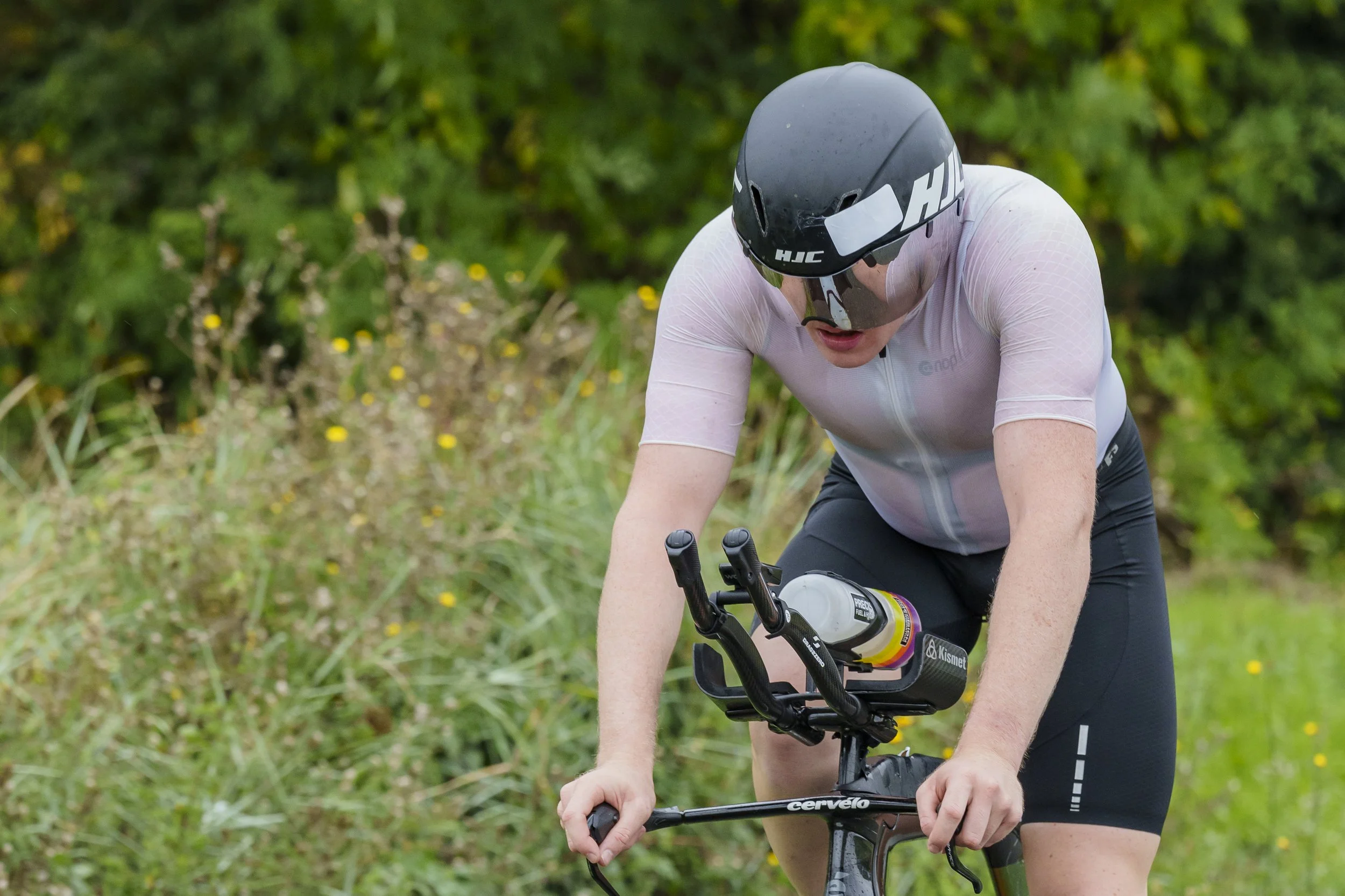
How to Qualify for the British Age Group Team: A Complete Guide for Triathletes
Dreaming of racing in a Great Britain trisuit? Learn exactly how to qualify for the British Age Group Team, understand the selection process, and improve your chances of earning your place.
For many amateur triathletes, there is one goal that stands above the rest:
Representing Great Britain.
Wearing the GB trisuit and racing internationally as part of the British Age Group Team is a huge achievement — and one that is more achievable than many athletes realise.
You do not need to be a professional.
You do not need to race full-time.
And contrary to popular belief:
You do not need to win races outright.
Every year, athletes from a huge range of backgrounds qualify to represent Great Britain in sprint, standard, middle, and long-distance triathlon events.
But understanding how to qualify for the British Age Group Team can feel confusing at first.
At Frederick Webb Triathlon, we have experience helping athletes work toward age-group qualification goals, from first-time qualifiers to athletes targeting podium finishes.
This guide explains exactly how the process works and what you can do to improve your chances.
What Is the British Age Group Team?
The British Age Group Team allows amateur athletes to represent Great Britain at international championships.
This includes events such as:
British Triathlon age-group championships
World Triathlon championship events
Europe Triathlon championships
Athletes compete in:
Sprint triathlon
Standard/Olympic distance triathlon
Middle distance
Long distance
Duathlon
Aquathlon
Cross triathlon
You compete against athletes in your age category, not against professionals.
Typical age bands include:
20–24
25–29
30–34
35–39
(and so on)
This makes qualification realistic for dedicated amateur athletes.
How Does British Age Group Qualification Work?
In simple terms:
You qualify through selected qualifying races.
For most championship events, British Triathlon designates one or more races as qualification opportunities.
At these races, athletes compete for qualification slots.
Generally:
The fastest athletes in each age category secure qualification.
However, selection is not always as simple as finishing position.
It depends on:
Championship event
Race distance
Qualification policy
Number of available slots
Some events use:
Automatic Qualification
Finish within the qualification criteria.
Others may use:
Roll-Down Qualification
If qualified athletes decline places, spots roll down to the next athletes.
This means:
You do not always have to win your age group to qualify.
Sometimes athletes qualify several positions down depending on demand.
What Standard Do You Need?
This is one of the biggest questions.
The honest answer?
It depends on your age group and event.
Some age groups are highly competitive.
Others have fewer athletes competing.
For example:
Men aged 35–49 are often extremely competitive
Older age groups may have fewer athletes
Some championship distances are deeper than others
In many races, qualification comes down to:
Smart pacing
Consistency
Strong execution
Not just raw talent.
Many athletes underestimate what is possible.
With focused training, age-group qualification can become a realistic goal.
What Races Count as Qualifiers?
Each season, British Triathlon publishes official qualifying races.
These vary depending on:
Sprint championships
Standard distance championships
Middle distance championships
Long distance championships
Common UK races often act as qualifiers for championship events.
Qualification races are normally announced well in advance, allowing athletes to plan training around specific goals.
Before entering, always check:
Event distance
Qualification status
Selection criteria
Deadlines
The rules can change year to year.
Sprint vs Standard vs Long Distance Qualification
Different formats require different strengths.
Sprint Distance
Typically favours:
Higher speed
Strong swim ability
Fast transitions
Aggressive pacing
Standard/Olympic Distance
Requires:
Better endurance balance
Smart pacing strategy
Middle & Long Distance
Often reward:
Consistency
Aerobic endurance
Nutrition strategy
Experience
Choosing the right event for your strengths matters.
Many athletes qualify faster by selecting races that suit their profile.
How Hard Is It to Qualify?
The answer:
Challenging — but realistic.
For some athletes:
Qualification may happen quickly.
For others:
It may take years of progression.
What usually separates qualifiers?
Consistency
Successful athletes rarely rely on motivation alone.
They train consistently.
Smart Training
Doing more is not always better.
Structured training matters.
Race Execution
Pacing mistakes ruin many qualification attempts.
Attention to Detail
Small gains matter:
Swim efficiency
Bike aerodynamics
Running economy
Nutrition
Transitions
Often qualification is decided by only a few minutes.
Sometimes seconds.
Common Mistakes Athletes Make
Racing Too Often
Constant racing often hurts development.
Focused preparation matters more.
Training Too Hard All the Time
Most progress comes from smart consistency.
Not constant exhaustion.
Ignoring Weaknesses
A poor swim or weak run can limit progress.
Improve weaknesses.
Poor Race-Day Pacing
Many athletes go too hard early.
Strong pacing often beats aggressive pacing.
No Long-Term Plan
Age-group qualification usually rewards patience.
The best athletes build over time.
Can Beginner Triathletes Qualify?
Absolutely.
Many age-group athletes start later in life.
Some qualifiers:
Started in their 30s
40s
Even 50s+
Triathlon is unique because endurance improvements can continue for years.
You do not need an elite background.
You need:
Commitment
Consistency
Smart coaching
Patience
Progress compounds.
How Coaching Can Improve Qualification Chances
One of the fastest ways to improve is structured coaching.
A personalised coach can help:
Identify weaknesses
Improve pacing
Build race-specific fitness
Structure training blocks
Prevent burnout
At Frederick Webb Triathlon, we work with athletes aiming for:
First-time qualification
GB age-group representation
Championship performance goals
The difference often comes from smart planning rather than simply training harder.
Is It Worth It?
For many athletes:
Absolutely.
Representing Great Britain creates:
Unforgettable experiences
International racing opportunities
Huge personal achievement
Lifelong memories
For many age-group athletes, putting on the GB trisuit becomes the proudest moment in sport.
And the journey itself often transforms confidence and performance.
Final Thoughts
If racing for Great Britain feels like a distant dream:
Do not write yourself off too early.
Many athletes underestimate what structured, consistent training can achieve.
To improve your chances:
✔ Choose the right qualifying races
✔ Train consistently
✔ Improve weaknesses
✔ Learn race execution
✔ Think long-term
Qualification is not reserved for professionals.
It is achievable for committed amateur athletes willing to train smart.
At Frederick Webb Triathlon, we help athletes work toward ambitious goals — including British Age Group Team qualification — through personalised coaching, race planning, and performance support.
Want help building a realistic plan to qualify for the British Age Group Team? Get in touch with Frederick Webb Triathlon and start training with purp