

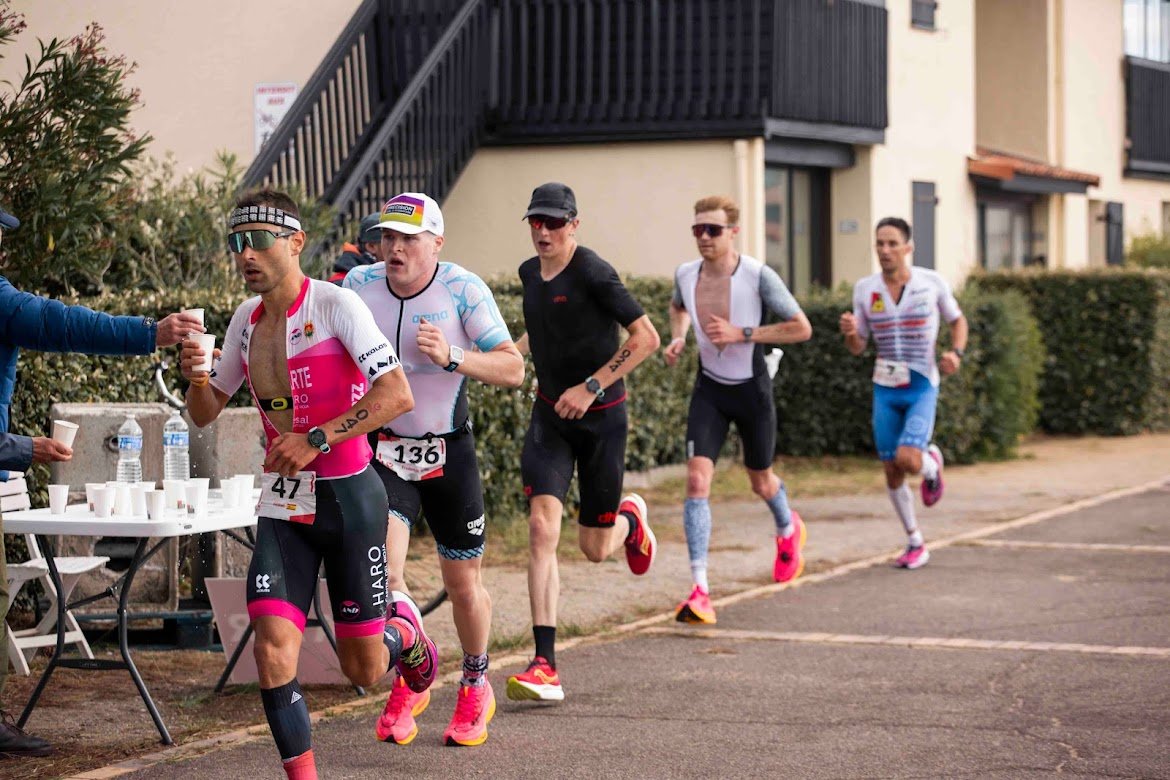
What Does It Take to Qualify for Age Group Racing?
Dreaming of racing for Great Britain? Discover what it really takes to qualify for British Age Group triathlon racing, how competitive it is, and what separates qualifiers from the rest.
For many amateur triathletes, there is one goal that stands above the rest:
Qualifying to represent Great Britain.
The idea of wearing the GB trisuit, standing on an international start line, and racing against the best athletes in your age category is incredibly motivating.
But for many athletes, the same question quickly follows:
“What does it actually take to qualify for age group racing?”
Do you need elite genetics?
A professional-level training schedule?
Years of experience?
The answer might surprise you.
At Frederick Webb Triathlon, we work with athletes targeting British Age Group qualification — from first-time qualifiers to athletes aiming for podiums.
And while qualification is never easy, it is often more realistic than many athletes believe.
Here is what it really takes.
First: What Is Age Group Racing?
Age-group racing allows amateur athletes to represent Great Britain internationally while competing against athletes in the same age category.
Rather than racing professionals, you compete within five-year age bands such as:
20–24
25–29
30–34
35–39
(and so on)
Qualification is typically earned through designated races where athletes compete for championship places.
Events can include:
Sprint triathlon
Standard/Olympic distance triathlon
Middle distance
Long distance
Duathlon
Aquathlon
For many athletes:
This becomes the ultimate amateur goal.
You Do NOT Need to Be an Elite Athlete
Let’s start with one of the biggest misconceptions.
Many athletes assume:
“I’m not talented enough.”
The reality?
Most British Age Group athletes are ordinary people with:
Full-time jobs
Families
Busy schedules
They are not professionals.
What separates them is usually:
Consistency.
Not perfection.
Not talent alone.
Consistent training over time often beats sporadic hard training.
Consistency Matters More Than Hero Sessions
One huge mistake athletes make is chasing big sessions.
The truth?
Qualification is rarely built through occasional massive workouts.
It comes from:
Week after week of solid training.
Successful athletes usually:
✔ Train consistently
✔ Recover properly
✔ Avoid long injury breaks
✔ Build gradually
Many qualifiers are simply very good at showing up.
Over months.
And years.
Smart Training Beats Just Training Hard
Doing more training is not always the answer.
In fact:
Many athletes train hard but not effectively.
What usually matters more?
Structure.
Successful age-group athletes tend to:
Train with purpose
Balance intensity well
Improve weaknesses
Prioritise recovery
Random training rarely works.
Specific training usually does.
At Frederick Webb Triathlon, one of the biggest differences we see comes from athletes moving from “training hard” to training strategically.
You Need to Improve Weaknesses
Age-group qualification usually exposes weaknesses quickly.
You cannot hide poor fitness across:
Swim
Bike
Run
A weak discipline often limits qualification chances.
Common examples:
Weak Swim
Can create too much time loss early.
Weak Bike
Makes running difficult.
Weak Run
Often limits strong athletes late in races.
Successful qualifiers usually spend time improving their weakest area.
Not just training what they enjoy.
Race Execution Matters More Than People Think
This surprises many athletes.
Fitness alone is not enough.
Many qualification attempts are lost through:
Poor pacing
Going too hard early often destroys the run.
Nutrition mistakes
Under-fuelling hurts performance.
Bad transitions
Small mistakes matter.
Panic in the swim
Especially in sprint qualification races.
Sometimes qualification is decided by:
Seconds.
Attention to detail matters.
You Need Realistic Expectations
Here is the honest truth:
Qualification is hard.
Some athletes qualify quickly.
Others may need:
2 years
3 years
Longer
And that is normal.
Progress is rarely linear.
The biggest mistake?
Expecting instant results.
The athletes who usually succeed are the ones who:
Stay patient
Stay consistent
Keep improving
Small improvements compound.
Training Volume Matters — But Less Than You Think
Many athletes assume qualifiers train enormous hours.
Sometimes.
But not always.
Quality matters more than blindly chasing volume.
For example:
A well-structured:
10–14 hour week
Can outperform an unstructured:
18–20 hour week
Especially for sprint and standard distance qualification.
Efficiency matters.
Recovery matters.
Smart coaching matters.
Recovery Is Often the Missing Piece
Hard training only works if you recover.
Successful athletes take recovery seriously.
This includes:
Sleep
Fuelling
Easy days
Strength training
Injury prevention
Burnout helps nobody.
One of the biggest qualification killers is:
Training too hard too often.
Mentality Makes a Huge Difference
Qualifying athletes often develop a certain mindset.
They:
✔ Stay calm under pressure
✔ Learn from setbacks
✔ Keep perspective
✔ Stay process-focused
There will be:
Bad races
Tough training blocks
Setbacks
That is normal.
Progress usually comes from persistence.
Not perfection.
Picking the Right Race Matters
This is massively underrated.
Not every qualifier suits every athlete.
Some races favour:
Strong cyclists
Fast runners
Strong swimmers
Conditions matter too:
Flat vs hilly
Technical vs fast courses
Weather
Choosing races strategically can improve qualification chances significantly.
At Frederick Webb Triathlon, race selection is something we often plan carefully with athletes.
Common Mistakes Athletes Make
Racing Too Much
More races ≠ better preparation.
Ignoring Weaknesses
Fix the limiter.
Training Like Someone Else
Your body is unique.
No Structure
Random training rarely delivers qualification.
Chasing Fitness Instead of Execution
Race strategy matters.
Can You Qualify Later in Life?
Absolutely.
Triathlon is unique.
Many athletes qualify in their:
40s
50s
Even 60s+
Endurance performance can improve for years.
Do not assume it is “too late.”
Many athletes start triathlon far later than expected.
So… What Does It Really Take?
In simple terms:
Qualifying for age-group racing usually requires:
✔ Consistency
✔ Smart training
✔ Patience
✔ Race execution
✔ Attention to weaknesses
✔ Strong recovery habits
Not superhuman talent.
Not perfection.
Just structured progression.
Final Thoughts
If racing for Great Britain feels intimidating:
That is normal.
But do not assume qualification is out of reach.
Many successful qualifiers began exactly where you are now.
Wondering if it was possible.
The athletes who eventually succeed are often not the most talented.
They are the ones who:
Stay consistent
Train smart
Keep improving
At Frederick Webb Triathlon, we help athletes move from ambitious goals to realistic plans — whether the aim is a first sprint triathlon or British Age Group qualification.
Want a realistic pathway toward age-group qualification? Get in touch with Frederick Webb Triathlon and start building your plan today.
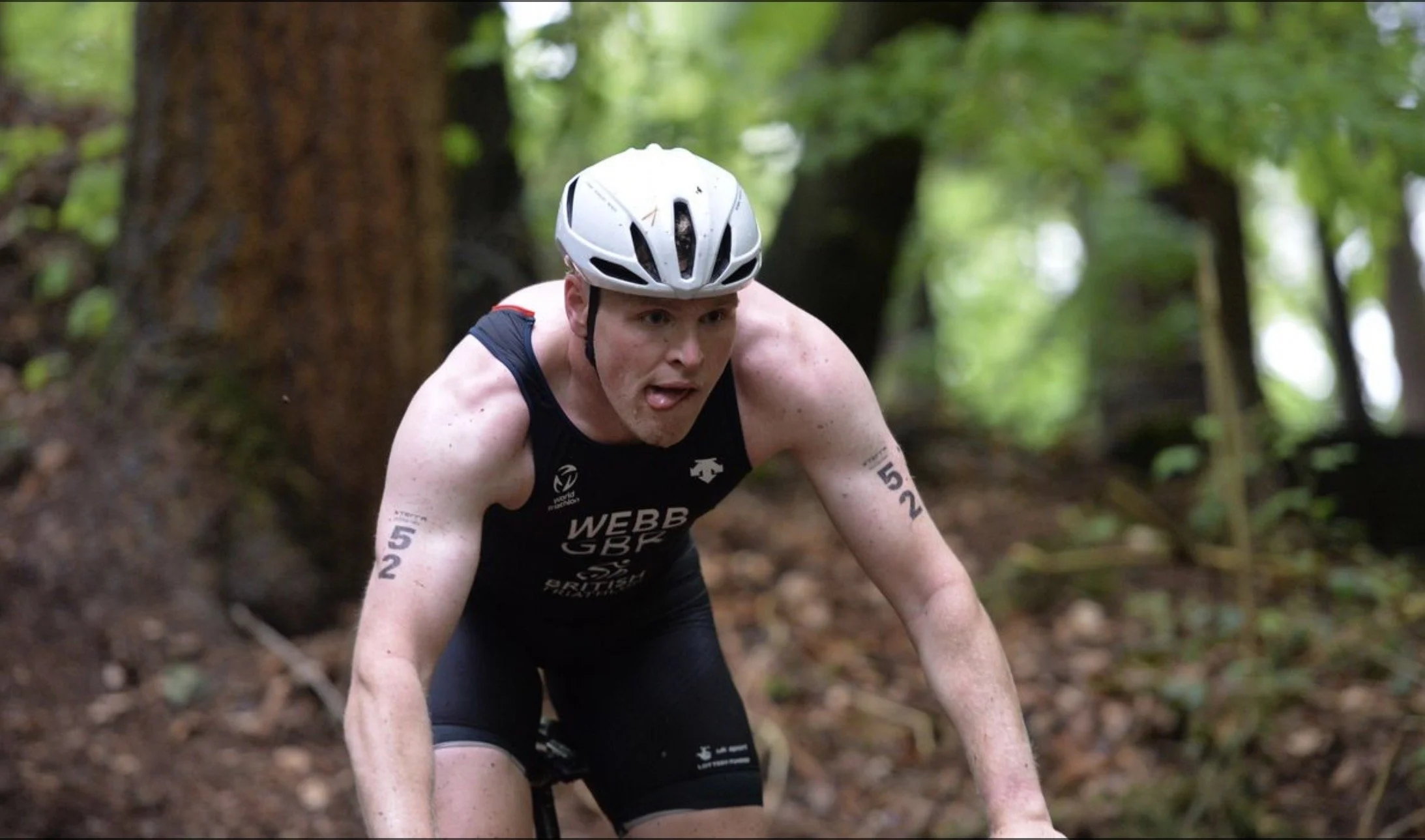
The History of British Age Group Qualification in Triathlon
How did British Age Group qualification begin? Discover the history behind the British Age Group Team, how qualification evolved, and why racing for Great Britain became a major goal for triathletes.
For many amateur triathletes, wearing the Great Britain trisuit represents the pinnacle of achievement.
The opportunity to race internationally, represent your country, and compete against the best athletes in your age category is something many athletes dream of.
But British Age Group qualification has not always looked the way it does today.
The system has evolved significantly over the years, shaped by the rapid growth of triathlon participation, international competition, and the increasing professionalism of age-group sport.
At Frederick Webb Triathlon, we work with athletes aiming to qualify for the British Age Group Team, and understanding the history behind the pathway helps explain why qualification today has become both more competitive and more rewarding.
Here is the story of the history of British Age Group qualification in triathlon.
The Early Days of Triathlon in Britain
Triathlon arrived in the UK during the 1980s, inspired largely by the sport’s rapid rise in the United States.
In those early years, triathlon was still considered niche.
Races were smaller, grassroots-driven, and often organised by local clubs.
There was little formal structure compared to modern racing.
Athletes simply entered races for personal challenge and competition.
As participation grew, demand increased for better race organisation, standardised rules, and national governance.
This eventually led to the creation of:
British Triathlon
Founded in the early 1980s, British Triathlon became responsible for governing the sport across the UK and developing pathways for both elite and amateur athletes.
The rise of structured competition helped open the door for international age-group racing.
The Birth of International Age-Group Competition
In the beginning, international triathlon competition focused largely on elite athletes.
However, endurance sport naturally attracted amateur participation.
Athletes wanted opportunities to race internationally while still competing fairly against peers of similar age.
This led to the development of age-group racing.
Rather than competing against professionals, athletes raced within age categories such as:
20–24
25–29
30–34
35–39
(and beyond)
This transformed triathlon.
Suddenly:
International competition became realistic for everyday athletes.
You no longer needed to be a professional to wear national colours.
You simply needed to qualify.
How the British Age Group Team Developed
As international championship racing expanded, British Triathlon introduced a structured qualification pathway.
The aim was to:
Reward competitive amateur athletes
Create fair selection systems
Develop stronger international representation
The British Age Group Team emerged as an opportunity for amateur athletes to represent Great Britain at major championship events.
Over time, athletes began competing at:
World Triathlon championships
Europe Triathlon championships
Across disciplines such as:
Sprint triathlon
Standard/Olympic distance triathlon
Middle distance
Long distance
Duathlon
Aquathlon
Cross triathlon
The concept quickly gained popularity.
For many athletes, qualification became a major career goal within amateur sport.
How Qualification Used to Work
In the early years, qualification pathways were often less formal than they are today.
Participation numbers were smaller.
Competition depth was lower.
Some races featured:
Smaller age-group fields
Fewer qualification standards
Simpler entry systems
As triathlon participation exploded during the 1990s and 2000s, things changed rapidly.
More athletes entered the sport.
Race standards improved.
Qualification became increasingly competitive.
What may once have required solid club-level performance eventually demanded structured training and specialist preparation.
The Olympic Effect on British Triathlon
A major turning point came when triathlon joined the Olympic Games at the:
2000 Summer Olympics
The inclusion of triathlon in the Olympics dramatically increased visibility.
Participation surged.
In the UK, this momentum accelerated even further following:
2012 Summer Olympics
And particularly after the success of British triathletes including:
Alistair Brownlee and Jonathan Brownlee.
Their Olympic success inspired huge numbers of amateur athletes to enter triathlon.
Naturally:
Interest in age-group qualification increased too.
Representing Great Britain no longer felt like something reserved for elite-level competitors.
It became an aspirational but realistic goal for committed amateurs.
Why Qualification Is Harder Today
Modern British Age Group qualification is more competitive than ever.
Why?
More Participants
Triathlon participation has grown enormously.
Larger fields mean stronger competition.
Better Coaching
Athletes now train smarter.
Access to:
Online coaching
Data tracking
Power meters
Structured programmes
Has raised standards significantly.
Marginal Gains Matter
Modern qualifiers focus on:
Aerodynamics
Nutrition
Strength training
Swim efficiency
Race pacing
Small improvements can now decide qualification.
Sometimes qualification is determined by only seconds.
How Qualification Works Today
Modern British Age Group qualification uses designated qualifying races.
Athletes compete for places based on:
Age category
Finishing performance
Qualification standards
Depending on the championship event, athletes may qualify through:
Automatic qualification
Roll-down places
This system ensures fairness while maintaining high performance standards.
Importantly:
You do not necessarily need to win your age group.
Many athletes qualify through consistency and smart racing.
Why Age Group Racing Has Become So Popular
For many amateur athletes, age-group racing provides:
Clear goals
Competitive structure
Community
International travel
Personal achievement
There is something uniquely rewarding about racing while representing your country.
For many athletes, qualification becomes a defining sporting achievement.
And for others?
The pursuit itself drives years of progression.
What the Future May Look Like
The future of British Age Group qualification will likely continue evolving.
Potential trends include:
Larger qualification fields
Increased competitiveness
Greater international participation
More technology-driven preparation
But one thing seems certain:
The appeal of racing for Great Britain will continue growing.
The trisuit still means something special.
It represents commitment, discipline, and years of hard work.
Final Thoughts
The history of British Age Group qualification shows how far triathlon has come.
What began as a niche endurance sport has evolved into a highly competitive pathway allowing amateur athletes to represent Great Britain on the international stage.
Today, qualification demands:
✔ Consistency
✔ Smart training
✔ Strong race execution
✔ Patience
But for many athletes:
It remains one of the most rewarding achievements in triathlon.
At Frederick Webb Triathlon, we help athletes work towards ambitious goals — from first sprint triathlons to British Age Group Team qualification — through personalised coaching and structured performance planning.
Dreaming of wearing the GB trisuit? Get in touch with Frederick Webb Triathlon and start building your pathway to qualification today.
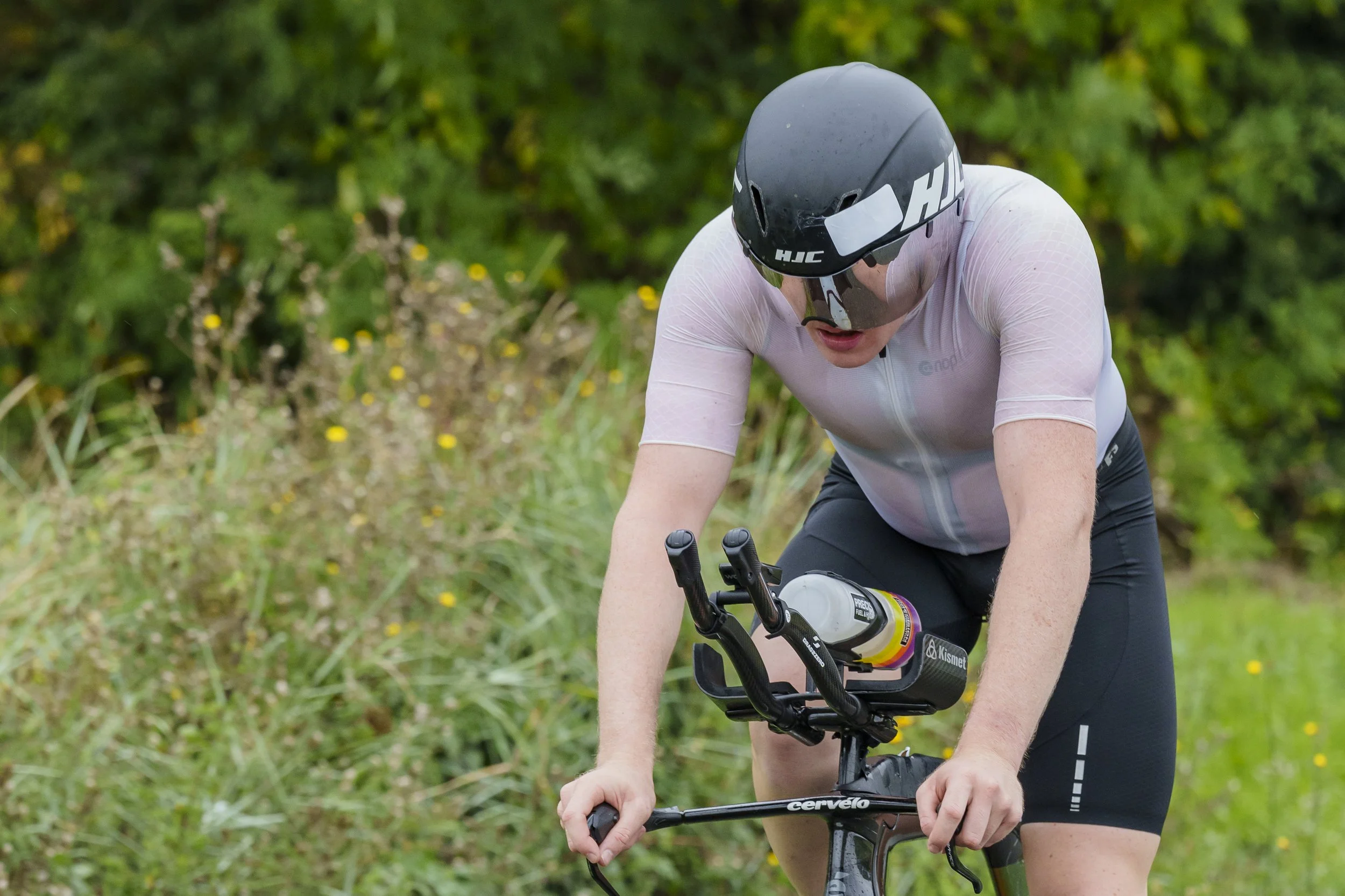
How to Qualify for the British Age Group Team: A Complete Guide for Triathletes
Dreaming of racing in a Great Britain trisuit? Learn exactly how to qualify for the British Age Group Team, understand the selection process, and improve your chances of earning your place.
For many amateur triathletes, there is one goal that stands above the rest:
Representing Great Britain.
Wearing the GB trisuit and racing internationally as part of the British Age Group Team is a huge achievement — and one that is more achievable than many athletes realise.
You do not need to be a professional.
You do not need to race full-time.
And contrary to popular belief:
You do not need to win races outright.
Every year, athletes from a huge range of backgrounds qualify to represent Great Britain in sprint, standard, middle, and long-distance triathlon events.
But understanding how to qualify for the British Age Group Team can feel confusing at first.
At Frederick Webb Triathlon, we have experience helping athletes work toward age-group qualification goals, from first-time qualifiers to athletes targeting podium finishes.
This guide explains exactly how the process works and what you can do to improve your chances.
What Is the British Age Group Team?
The British Age Group Team allows amateur athletes to represent Great Britain at international championships.
This includes events such as:
British Triathlon age-group championships
World Triathlon championship events
Europe Triathlon championships
Athletes compete in:
Sprint triathlon
Standard/Olympic distance triathlon
Middle distance
Long distance
Duathlon
Aquathlon
Cross triathlon
You compete against athletes in your age category, not against professionals.
Typical age bands include:
20–24
25–29
30–34
35–39
(and so on)
This makes qualification realistic for dedicated amateur athletes.
How Does British Age Group Qualification Work?
In simple terms:
You qualify through selected qualifying races.
For most championship events, British Triathlon designates one or more races as qualification opportunities.
At these races, athletes compete for qualification slots.
Generally:
The fastest athletes in each age category secure qualification.
However, selection is not always as simple as finishing position.
It depends on:
Championship event
Race distance
Qualification policy
Number of available slots
Some events use:
Automatic Qualification
Finish within the qualification criteria.
Others may use:
Roll-Down Qualification
If qualified athletes decline places, spots roll down to the next athletes.
This means:
You do not always have to win your age group to qualify.
Sometimes athletes qualify several positions down depending on demand.
What Standard Do You Need?
This is one of the biggest questions.
The honest answer?
It depends on your age group and event.
Some age groups are highly competitive.
Others have fewer athletes competing.
For example:
Men aged 35–49 are often extremely competitive
Older age groups may have fewer athletes
Some championship distances are deeper than others
In many races, qualification comes down to:
Smart pacing
Consistency
Strong execution
Not just raw talent.
Many athletes underestimate what is possible.
With focused training, age-group qualification can become a realistic goal.
What Races Count as Qualifiers?
Each season, British Triathlon publishes official qualifying races.
These vary depending on:
Sprint championships
Standard distance championships
Middle distance championships
Long distance championships
Common UK races often act as qualifiers for championship events.
Qualification races are normally announced well in advance, allowing athletes to plan training around specific goals.
Before entering, always check:
Event distance
Qualification status
Selection criteria
Deadlines
The rules can change year to year.
Sprint vs Standard vs Long Distance Qualification
Different formats require different strengths.
Sprint Distance
Typically favours:
Higher speed
Strong swim ability
Fast transitions
Aggressive pacing
Standard/Olympic Distance
Requires:
Better endurance balance
Smart pacing strategy
Middle & Long Distance
Often reward:
Consistency
Aerobic endurance
Nutrition strategy
Experience
Choosing the right event for your strengths matters.
Many athletes qualify faster by selecting races that suit their profile.
How Hard Is It to Qualify?
The answer:
Challenging — but realistic.
For some athletes:
Qualification may happen quickly.
For others:
It may take years of progression.
What usually separates qualifiers?
Consistency
Successful athletes rarely rely on motivation alone.
They train consistently.
Smart Training
Doing more is not always better.
Structured training matters.
Race Execution
Pacing mistakes ruin many qualification attempts.
Attention to Detail
Small gains matter:
Swim efficiency
Bike aerodynamics
Running economy
Nutrition
Transitions
Often qualification is decided by only a few minutes.
Sometimes seconds.
Common Mistakes Athletes Make
Racing Too Often
Constant racing often hurts development.
Focused preparation matters more.
Training Too Hard All the Time
Most progress comes from smart consistency.
Not constant exhaustion.
Ignoring Weaknesses
A poor swim or weak run can limit progress.
Improve weaknesses.
Poor Race-Day Pacing
Many athletes go too hard early.
Strong pacing often beats aggressive pacing.
No Long-Term Plan
Age-group qualification usually rewards patience.
The best athletes build over time.
Can Beginner Triathletes Qualify?
Absolutely.
Many age-group athletes start later in life.
Some qualifiers:
Started in their 30s
40s
Even 50s+
Triathlon is unique because endurance improvements can continue for years.
You do not need an elite background.
You need:
Commitment
Consistency
Smart coaching
Patience
Progress compounds.
How Coaching Can Improve Qualification Chances
One of the fastest ways to improve is structured coaching.
A personalised coach can help:
Identify weaknesses
Improve pacing
Build race-specific fitness
Structure training blocks
Prevent burnout
At Frederick Webb Triathlon, we work with athletes aiming for:
First-time qualification
GB age-group representation
Championship performance goals
The difference often comes from smart planning rather than simply training harder.
Is It Worth It?
For many athletes:
Absolutely.
Representing Great Britain creates:
Unforgettable experiences
International racing opportunities
Huge personal achievement
Lifelong memories
For many age-group athletes, putting on the GB trisuit becomes the proudest moment in sport.
And the journey itself often transforms confidence and performance.
Final Thoughts
If racing for Great Britain feels like a distant dream:
Do not write yourself off too early.
Many athletes underestimate what structured, consistent training can achieve.
To improve your chances:
✔ Choose the right qualifying races
✔ Train consistently
✔ Improve weaknesses
✔ Learn race execution
✔ Think long-term
Qualification is not reserved for professionals.
It is achievable for committed amateur athletes willing to train smart.
At Frederick Webb Triathlon, we help athletes work toward ambitious goals — including British Age Group Team qualification — through personalised coaching, race planning, and performance support.
Want help building a realistic plan to qualify for the British Age Group Team? Get in touch with Frederick Webb Triathlon and start training with purp