

Triathlon Nutrition for Beginners: What to Eat Before, During and After Training and Racing
Nutrition can make or break your triathlon performance. Whether you're training for your first sprint triathlon or preparing for a longer event, knowing what to eat before, during, and after training is essential. This beginner's guide explains everything you need to know about triathlon nutrition to fuel your training, recover effectively, and race with confidence
One of the biggest mistakes beginner triathletes make is focusing entirely on training while overlooking nutrition.
You can have the perfect training plan, the latest equipment, and all the motivation in the world, but if your nutrition is poor, your performance will suffer.
The good news is that triathlon nutrition doesn't have to be complicated.
You don't need expensive supplements, strict diets, or a degree in sports science.
You simply need to understand the basics and apply them consistently.
At Frederick Webb Triathlon, nutrition is a key part of every athlete's development because the right fuelling strategy can improve performance, speed recovery, and help you enjoy your training much more.
Let's look at what beginner triathletes should eat around training and racing.
Why Nutrition Matters in Triathlon
Triathlon combines three endurance disciplines:
Swimming
Cycling
Running
These activities require energy.
When your body runs low on fuel, performance drops.
Poor nutrition can lead to:
Fatigue
Reduced training quality
Poor recovery
Increased injury risk
Lack of concentration
Slower race times
Good nutrition supports:
✔ Better energy levels
✔ Faster recovery
✔ Stronger immune function
✔ Improved performance
✔ Greater consistency in training
And consistency is where improvement happens.
Understanding the Three Key Nutrients
Before discussing race nutrition, it helps to understand the basics.
Carbohydrates
Carbohydrates are your body's preferred fuel source during moderate and high-intensity exercise.
Examples include:
Bread
Rice
Pasta
Potatoes
Fruit
Oats
Cereals
For most triathletes, carbohydrates should form the foundation of their nutrition strategy.
Protein
Protein helps repair and rebuild muscle tissue.
Good sources include:
Chicken
Fish
Eggs
Greek yoghurt
Lean meat
Tofu
Beans
Protein becomes particularly important after training.
Fats
Healthy fats support overall health and hormone function.
Examples include:
Nuts
Seeds
Avocados
Olive oil
Oily fish
While fats are important, they digest more slowly and are generally not ideal immediately before exercise.
What to Eat Before Training
The goal before training is simple:
Arrive at the session with enough energy to perform well.
For Early Morning Sessions
If the session is:
Easy
Under 60 minutes
You may be able to train without eating first.
Many athletes comfortably complete easy swims, rides, or runs before breakfast.
For Harder or Longer Sessions
Eating beforehand is usually beneficial.
Good options include:
Porridge with banana
Toast with jam
Bagel with honey
Cereal and milk
Fruit and yoghurt
Aim to eat:
2–3 Hours Before Training
A larger meal containing:
Carbohydrates
Some protein
Low fat
30–60 Minutes Before Training
A lighter snack such as:
Banana
Energy bar
Toast
Sports drink
The closer you are to training, the simpler the food should be.
What to Eat During Training
Many beginners underestimate the importance of fuelling during exercise.
The need depends largely on session duration.
Under 60 Minutes
Most athletes only need water.
60–90 Minutes
Some athletes benefit from:
Sports drinks
Energy chews
Small carbohydrate snacks
Over 90 Minutes
Carbohydrate intake becomes increasingly important.
A good target for most beginners is:
30–60 grams of carbohydrate per hour
Examples include:
Energy gels
Sports drinks
Energy bars
Bananas
Chews
Practising race nutrition during training is essential.
Never try something new on race day.
Hydration During Training
Even mild dehydration can impact performance.
Most athletes should:
Drink regularly
Sip little and often
Adjust intake based on temperature and sweat rate
Warning signs of dehydration include:
Headaches
Dizziness
Excessive fatigue
Dark urine
Hydration is particularly important during long rides and hot weather training.
What to Eat After Training
Recovery nutrition helps your body:
Repair muscle tissue
Restore glycogen stores
Prepare for the next session
Many athletes refer to the first hour after exercise as the recovery window.
A simple recovery meal should contain:
Protein
To support muscle repair.
Examples:
Greek yoghurt
Protein shake
Eggs
Chicken
Carbohydrates
To replace energy stores.
Examples:
Rice
Potatoes
Pasta
Fruit
Simple recovery meal ideas:
Chicken and rice
Eggs on toast
Greek yoghurt with fruit
Protein smoothie and banana
Tuna pasta
The goal is not perfection.
The goal is consistency.
What to Eat Before a Triathlon Race
Race-day nutrition should focus on familiar foods.
Avoid experimenting.
A common pre-race breakfast includes:
Porridge
Toast
Bagel
Banana
Sports drink if required
Aim to eat:
2–4 hours before the race start
This allows time for digestion while topping up energy stores.
What to Eat During a Sprint Triathlon
Sprint triathlons are relatively short.
Most athletes can complete them without significant carbohydrate intake during the race.
However, some may benefit from:
Water
Sports drink
One energy gel
Particularly if racing hard.
What to Eat During an Olympic Distance Triathlon
For races lasting around 2–3 hours:
Most athletes benefit from:
Energy gels
Sports drinks
Carbohydrate chews
Aim for:
30–60 grams of carbohydrate per hour
Primarily consumed on the bike.
What to Eat During a 70.3 or Ironman
Long-course racing places much greater demands on nutrition.
Athletes should aim to consume:
Ironman 70.3
60–90 grams of carbohydrate per hour.
Ironman
60–90+ grams of carbohydrate per hour.
Depending on individual tolerance and experience.
This requires planning and practice.
Many race-day nutrition problems occur because athletes fail to rehearse their strategy in training.
Common Beginner Nutrition Mistakes
Not Eating Enough
Many athletes unintentionally underfuel.
This often leads to:
Poor performance
Low energy
Slow recovery
Waiting Until You're Hungry
By the time hunger appears during exercise, performance may already be declining.
Trying New Products on Race Day
Nothing new on race day.
Ever.
Ignoring Hydration
Even small hydration mistakes can significantly impact performance.
Overcomplicating Nutrition
The basics work.
Consistency beats complexity.
A Simple Beginner Nutrition Strategy
If you're just starting triathlon:
Focus on:
✔ Eating regular meals
✔ Including carbohydrates around training
✔ Consuming protein after sessions
✔ Drinking enough fluids
✔ Practising race nutrition during training
Master these fundamentals before worrying about advanced strategies.
Final Thoughts
Triathlon nutrition doesn't need to be complicated.
The athletes who perform best are often the ones who consistently get the basics right.
Focus on:
✔ Fuel before training
✔ Hydrate appropriately
✔ Consume carbohydrates during longer sessions
✔ Prioritise recovery afterwards
✔ Practise race-day nutrition in training
Small improvements in nutrition can have a surprisingly large impact on performance.
At Frederick Webb Triathlon, athletes receive personalised training and nutrition guidance designed to support performance, recovery, and long-term development.
Whether you're preparing for your first sprint triathlon or your first Ironman, the right nutrition strategy can help you train harder, recover faster, and race with confidence.
Ready to take your triathlon training to the next level? Get in touch with Frederick Webb Triathlon and discover how personalised coaching can help you achieve your goals.
Brick Sessions Explained: Why Every Beginner Triathlete Needs Them
Ever wondered why your legs feel strange when you start running after cycling? That's exactly why brick sessions are one of the most important workouts in triathlon training. In this guide, you'll learn what brick sessions are, why every beginner triathlete should include them, and how they can help you transition more smoothly, race with confidence, and improve overall performance.
If you're new to triathlon, you've probably heard the term "brick session" and wondered what it actually means.
At first glance, it sounds like a strange name for a workout.
But ask any experienced triathlete and they'll tell you that brick sessions are one of the most valuable training tools available.
In fact, for beginners, they can be the difference between a smooth race experience and feeling like you've forgotten how to run entirely.
At Frederick Webb Triathlon, brick sessions form an important part of many athletes' training plans because they help prepare the body and mind for one of the most unique challenges in triathlon:
Running immediately after cycling.
Let's explore what brick sessions are, why they matter, and how beginners can use them effectively.
What Is a Brick Session?
A brick session is simply a workout that combines two disciplines back-to-back.
The most common brick workout is:
Bike → Run
For example:
60-minute bike ride
Immediately followed by a 15-minute run
The transition between disciplines should be quick, similar to what happens on race day.
The purpose isn't just fitness.
It's teaching your body how to adapt to moving from cycling to running efficiently.
Why Is It Called a Brick Session?
There are a few theories.
One popular explanation is that your legs can feel like bricks when you start running after a bike ride.
If you've ever stepped off a bike and felt awkward, heavy, or uncoordinated, you'll understand why.
Another theory is that the sessions "stack" disciplines together like building bricks.
Whatever the true origin, the name has stuck.
And every triathlete knows the feeling.
Why Running After Cycling Feels So Strange
One of the biggest surprises for beginner triathletes is how different running feels after riding a bike.
You might be able to run comfortably on fresh legs.
You might be able to cycle comfortably on fresh legs.
But combine the two and suddenly things feel different.
Common sensations include:
Heavy legs
Tight hips
High heart rate
Awkward running form
Shortened stride length
This happens because cycling and running use muscles differently.
Your body needs time to adapt from one movement pattern to another.
Brick sessions teach it how.
The Benefits of Brick Training
Improved Race-Day Confidence
One of the biggest benefits is confidence.
Many first-time triathletes worry about what the run will feel like after the bike.
Brick training removes that uncertainty.
Instead of experiencing it for the first time during a race, you've already practised it multiple times.
That confidence can make a huge difference.
Better Running Off the Bike
The more you practise running after cycling, the more efficiently your body learns to transition between the two disciplines.
Athletes often notice:
Smoother running mechanics
Better pacing
Less discomfort early in the run
Over time, the transition becomes far less dramatic.
Improved Pacing Awareness
Many beginners make the mistake of riding too hard before the run.
Brick sessions help athletes understand:
How hard they can ride
How that effort affects their run
What sustainable race pacing feels like
This knowledge is incredibly valuable on race day.
Mental Preparation
Triathlon is as much mental as physical.
Brick sessions teach athletes how to:
Manage discomfort
Stay focused
Adapt to changing sensations
These skills become important when fatigue builds during a race.
Do Beginners Need Brick Sessions?
Absolutely.
In fact, beginners may benefit from brick training more than experienced athletes.
Why?
Because experienced athletes have often completed dozens or even hundreds of bike-to-run transitions.
Beginners haven't.
The goal isn't to make every session a brick workout.
It's simply to become familiar with the feeling.
Even short brick sessions can provide significant benefits.
How Often Should Beginners Do Brick Sessions?
One of the biggest misconceptions is that more brick sessions automatically mean better results.
In reality:
Most beginners only need:
One brick session per week
This is usually enough to:
Build confidence
Develop adaptation
Practise pacing
Without creating excessive fatigue.
Consistency matters more than frequency.
Simple Brick Session Examples
Beginner Brick Session
45-minute easy bike
10-minute easy run
Focus:
Getting comfortable with the transition.
Sprint Triathlon Preparation
60-minute bike
15–20-minute run
Focus:
Finding race rhythm and pacing.
Standard Distance Preparation
90-minute bike
20–30-minute run
Focus:
Building endurance and practising nutrition.
Remember:
The run does not need to be long.
The goal is adaptation, not exhaustion.
Common Brick Session Mistakes
Running Too Fast
This is by far the most common mistake.
Athletes often feel excited and push the pace immediately.
Instead:
Start controlled.
Allow your body to settle.
Riding Too Hard
If you completely empty the tank on the bike, the run becomes survival rather than productive training.
Brick sessions should support learning and adaptation.
Not prove toughness.
Making Every Bike Ride a Brick
More is not always better.
Most training sessions should still focus on individual disciplines.
Brick sessions are just one tool within a balanced programme.
Ignoring Nutrition
For longer bricks, nutrition matters.
Practising race-day fuelling strategies during brick sessions can be extremely valuable.
Should Brick Sessions Be Race Pace?
Sometimes.
But not always.
For beginners, most brick sessions should be:
Controlled
Comfortable
Focused on learning
As races approach, some sessions may include race-specific efforts.
The goal is to simulate race-day demands without creating excessive fatigue.
Are Brick Sessions Only for Sprint Triathletes?
Not at all.
Athletes racing:
Sprint Triathlon
Standard Distance
Ironman 70.3
Ironman
Can all benefit from brick training.
The structure simply changes depending on the race distance and athlete's experience.
The Biggest Lesson From Brick Training
Perhaps the greatest benefit of brick sessions is discovering that the strange feeling doesn't last.
Most athletes find that after a few minutes:
Their stride normalises
Their breathing settles
Their rhythm returns
What feels awkward initially becomes manageable.
And eventually, it becomes normal.
That's exactly why brick training works.
Final Thoughts
Brick sessions are one of the simplest yet most effective tools in triathlon training.
They help beginner athletes:
✔ Gain confidence
✔ Improve race-day readiness
✔ Learn pacing
✔ Adapt to running off the bike
✔ Reduce surprises on race day
You don't need complicated workouts.
You don't need huge training volume.
You simply need consistent practice.
The more familiar the bike-to-run transition becomes in training, the more comfortable and confident you'll feel when race day arrives.
At Frederick Webb Triathlon, we help athletes of all abilities prepare for race day through personalised training plans, structured brick sessions, and expert coaching support.
Whether you're training for your first sprint triathlon or your first Ironman, the right preparation can make all the difference.
Ready to train smarter and race with confidence? Get in touch with Frederick Webb Triathlon and start building your perfect triathlon plan today.
What Gear Do You Actually Need for a First Triathlon? A Beginner’s Guide to Race-Day Essentials
Confused about triathlon gear? Learn exactly what equipment you actually need for your first triathlon, what you can skip, and how to avoid overspending.
One of the biggest questions beginner triathletes ask is:
“What gear do I actually need for my first triathlon?”
If you have spent any time researching triathlon online, it can quickly feel overwhelming. Expensive bikes, carbon wheels, aero helmets, GPS watches, race suits—the sport can sometimes make beginners feel like they need thousands of pounds of equipment before even getting to the start line.
The truth is much simpler:
You do not need expensive gear to complete your first triathlon.
At Frederick Webb Triathlon, beginner athletes are encouraged to focus on confidence, consistency, and enjoyment—not overspending on equipment they may not need.
This guide breaks down the essential gear for your first triathlon, what you can skip, and how to spend smartly.
The Most Important Thing to Remember
Before diving into gear lists, here is the reality:
Fitness matters more than fancy equipment.
A beginner athlete with consistent training will almost always outperform someone with expensive gear and poor preparation.
Your first triathlon should focus on:
Learning the sport
Building confidence
Enjoying race day
Gaining experience
You can always upgrade equipment later.
1. A Bike (But Not Necessarily an Expensive One)
Many beginners assume they need a high-end triathlon bike.
You do not.
For your first race, almost any safe and functioning bike works.
This includes:
Road bikes
Hybrid bikes
Entry-level bikes
Older bikes in good condition
What matters most:
Comfort
You need a bike that feels stable and comfortable.
Reliability
Brakes and gears should work properly.
Proper Fit
A comfortable position matters far more than aerodynamics.
You absolutely do not need:
Carbon race wheels
A £5,000 triathlon bike
Aero upgrades
At Frederick Webb Triathlon, many beginners complete successful races on very simple setups.
2. A Helmet (Non-Negotiable)
A helmet is mandatory at every triathlon event.
No helmet = no race.
Choose one that:
Fits comfortably
Meets safety standards
Has secure straps
You do not need an expensive aero helmet for your first race.
A standard cycling helmet is completely fine.
Comfort and safety come first.
3. Swim Gear
Swimming equipment is relatively simple.
Swimwear
For pool-based races:
Swim shorts
Swimsuit
Trisuit (optional)
For open-water races:
Wetsuit
Many UK races require wetsuits due to water temperature.
A triathlon wetsuit helps:
Buoyancy
Warmth
Confidence in open water
You do not need the most expensive wetsuit.
Fit matters much more.
Goggles
Bring:
Your main pair
A spare pair (always!)
Test goggles before race day.
Nothing ruins confidence faster than leaking goggles.
4. Running Shoes
This is one area worth investing in.
Choose running shoes that:
Feel comfortable
Suit your running style
Have already been tested in training
Most importantly:
Never race in brand-new shoes.
Your first triathlon is not the time for experimentation.
At Frederick Webb Triathlon, athletes are encouraged to prioritise comfort over trends.
5. Comfortable Clothing
You have a few options here.
Option 1: Wear Regular Training Clothes
Many beginners simply wear:
Swim kit
Cycling top
Running clothes
Completely acceptable.
Option 2: Buy a Trisuit
A trisuit is designed for:
Swimming
Cycling
Running
Without changing clothes.
Benefits include:
Convenience
Comfort
Faster transitions
However:
A trisuit is useful—not essential.
For a first sprint triathlon, simple clothing often works perfectly.
6. Basic Nutrition and Hydration
For sprint triathlons, nutrition requirements are relatively simple.
Bring:
Water Bottle
Hydration matters.
Electrolytes (Optional)
Helpful on warm days.
Simple Fuel
For longer races, energy gels or bars may help.
But for many sprint beginners:
Good breakfast + hydration is often enough.
Never try unfamiliar products on race day.
7. A Way to Carry Your Gear
A simple gym bag or backpack works well.
Pack essentials:
Helmet
Shoes
Towel
Water bottle
Spare clothing
Nutrition
Race information
Lay everything out neatly in transition.
Organisation reduces stress massively.
8. A Towel (The Most Overlooked Item)
Many beginners forget this.
A towel helps:
Dry feet after swimming
Organise transition space
Keep equipment tidy
Simple—but useful.
9. Elastic Laces (Helpful, But Optional)
Elastic laces allow faster transitions by turning running shoes into slip-ons.
Benefits:
Saves time
Easier transitions
Beginner-friendly
But again:
Not essential.
Focus on comfort first.
What You Do NOT Need for Your First Triathlon
This is where beginners often overspend.
You probably do not need:
Carbon Wheels
Expensive Triathlon Bike
Power Meter
Aero Helmet
Deep Race Wheels
High-End GPS Watch
Premium Race Kit
These things may improve performance later, but they are not necessary for finishing and enjoying your first race.
Save money until you know you love the sport.
The Best Investment: Coaching
Instead of overspending on gear, one of the smartest investments is coaching.
Many beginners struggle with:
Swim confidence
Training structure
Race nerves
Pacing mistakes
Equipment confusion
Frederick Webb Triathlon helps athletes by providing:
Beginner-friendly coaching plans
Equipment guidance
Swim, bike, and run support
Strength and conditioning advice
Race-day confidence
Better preparation almost always beats expensive equipment.
Race-Day Checklist for Beginners
Essential Gear:
✅ Bike
✅ Helmet
✅ Running shoes
✅ Swimwear/wetsuit
✅ Goggles
✅ Water bottle
✅ Comfortable clothing
✅ Towel
Helpful Extras:
✅ Sunglasses
✅ Elastic laces
✅ Energy snack
✅ Spare goggles
Keep it simple.
Final Thoughts
The biggest myth in triathlon is that you need loads of expensive equipment.
You do not.
For your first triathlon, focus on:
Comfort
Reliability
Confidence
Consistency in training
Simple gear is more than enough to get started.
At Frederick Webb Triathlon, beginner athletes are coached to train smarter, reduce overwhelm, and enjoy the experience without unnecessary expense.
Because your first triathlon should be about achievement—not worrying about equipment.
Start simple, race confidently, and enjoy the journey.
Road Bike vs TT Bike for Beginner Triathletes: Which One Should You Choose?
Road bike or TT bike for triathlon? Discover the pros, cons, and smartest choice for beginner triathletes with expert advice from Frederick Webb Triathlon.
One of the biggest questions beginner triathletes ask is:
“Do I need a TT bike for triathlon—or is a road bike enough?”
If you have spent any time around triathlon, it can feel like everyone is riding aerodynamic time trial bikes worth thousands of pounds. This often leaves beginners wondering whether they are already at a disadvantage before they even start.
The truth is:
You absolutely do not need a TT bike to start triathlon.
In fact, for many beginner triathletes, a road bike is often the better option.
At Frederick Webb Triathlon, athletes are coached to make smart decisions based on experience, confidence, budget, and goals—not marketing pressure or unnecessary upgrades.
If you are deciding between a road bike vs TT bike for triathlon, this guide will help you understand the pros, cons, and which setup is right for you.
What Is a Road Bike?
A road bike is the traditional style of bike most cyclists use.
Designed for versatility, comfort, and handling, road bikes are ideal for:
Group riding
Climbing
Training
General fitness
Triathlon beginners
Road bikes feature:
Drop handlebars
Easier braking access
Better handling and stability
More comfortable positioning
For beginners:
A road bike is often the easiest and smartest place to start.
What Is a TT Bike?
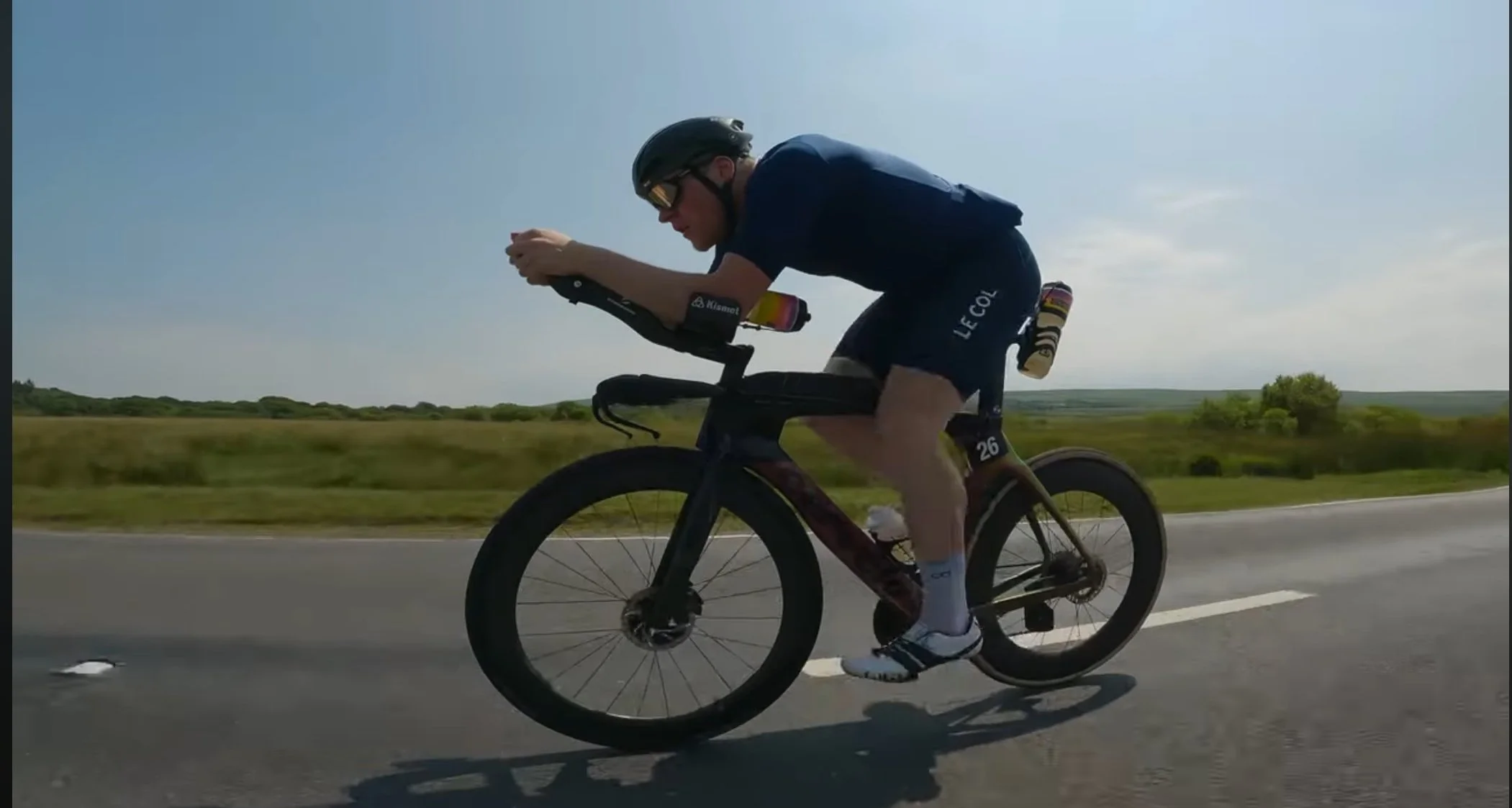
A TT bike (Time Trial Bike) is specifically designed for speed and aerodynamics.
TT bikes are commonly used in:
Ironman racing
Time trials
Non-drafting triathlon events
Key features include:
Aero bars
More aggressive position
Aerodynamic frame geometry
Greater straight-line speed
The purpose:
Reduce drag and save energy over long distances.
However:
TT bikes also require more skill and confidence to ride well.
The Biggest Myth: “I Need a TT Bike to Do Triathlon”
This is one of the biggest misconceptions in the sport.
You do not need a TT bike for:
Sprint Triathlon
Olympic Distance
Your First 70.3
Your First Ironman
Many athletes successfully complete triathlons on:
Road bikes
Entry-level bikes
Older bikes
Hybrid bikes
Fitness matters far more than equipment.
At Frederick Webb Triathlon, many beginner athletes perform brilliantly without expensive setups.
Why a Road Bike Is Often Better for Beginners
For most first-time triathletes:
Road bike wins.
Here is why.
1. Easier Handling
Road bikes are easier to control.
Benefits include:
Better cornering
More confidence descending
Faster braking access
Safer riding in traffic
TT bikes feel very different.
The aero position takes practice and confidence.
For beginners:
Feeling safe and comfortable matters more than aerodynamics.
2. Better for Training
Most beginner triathletes spend the majority of time:
Training—not racing.
Road bikes are better suited for:
Group rides
Club rides
Hills
Daily riding
TT bikes are less practical for general use.
Many experienced triathletes still own a road bike for most training.
3. Lower Cost
TT bikes can be expensive.
A good TT setup often includes:
Aero bike
Aero helmet
Bike fit
Hydration system
Costs can quickly become significant.
A road bike gives beginners:
Excellent value for money.
You can race confidently without overspending.
4. More Comfortable Position
Comfort matters hugely in triathlon.
Especially for beginners.
Road bikes allow:
More relaxed positioning
Less pressure on neck and back
Easier adaptation
A TT bike position can feel aggressive initially.
Without proper fitting, discomfort often becomes a problem.
When Does a TT Bike Make Sense?
There comes a point when a TT bike may become worthwhile.
You may consider upgrading if:
You Love Triathlon
You know the sport is long term.
You Race Longer Distances
Especially:
Half Ironman
Full Ironman
You Want Performance Gains
Aerodynamics matter more at longer distances.
You Are Comfortable Riding
Confidence matters first.
At Frederick Webb Triathlon, athletes are often advised to build skill first—then consider upgrades later.
Can You Make a Road Bike More Triathlon-Friendly?
Yes.
One of the smartest beginner setups is:
Road Bike + Clip-On Aero Bars
Benefits:
More aerodynamic position
Lower cost than TT bike
Familiar handling remains
This gives many athletes the best of both worlds.
However:
Always practise handling before racing.
What About Speed?
This is the big question.
Yes:
TT bikes are generally faster.
Over long distances, they can save:
Time
Energy
Muscular fatigue
But here is the important part:
For beginners:
Fitness creates bigger gains than equipment.
Improving:
Bike fitness
Pacing
Aerodynamics through position
Will often outperform expensive upgrades.
A strong athlete on a road bike usually beats an undertrained athlete on a TT bike.
Bike Fit Matters More Than Bike Type
One of the biggest mistakes beginners make:
Buying expensive equipment before getting comfortable.
A proper bike fit often matters more than bike choice.
Good positioning improves:
Comfort
Efficiency
Injury prevention
Confidence
Whether road or TT:
Comfort first.
Always.
Common Beginner Bike Mistakes
Buying an Expensive TT Bike Too Soon
Before knowing if triathlon suits you.
Choosing Speed Over Comfort
Discomfort destroys confidence.
Ignoring Bike Handling Skills
Confidence matters hugely.
Comparing Yourself to Others
Everyone progresses differently.
Remember:
You are building experience.
Not chasing perfection.
Road Bike vs TT Bike: Quick Comparison
Feature Road Bike TT Bike
Beginner Friendly ✅ Yes ❌ More advanced
Comfort ✅ Higher ⚠️ Lower initially
Handling ✅ Easier ⚠️ Harder
Cost ✅ Lower ❌ Higher
Aerodynamics ⚠️ Moderate. ✅ Better
Daily Training ✅ Excellent. ⚠️ Less versatile
Ironman Racing ✅ Possible ✅ Ideal
Why Coaching Helps You Make Smarter Equipment Decisions
Many triathletes waste money unnecessarily.
Frederick Webb Triathlon helps athletes understand:
What gear actually matters
When upgrades are worthwhile
Bike setup advice
Positioning guidance
Training priorities
The goal:
Spend smarter—not more.
Because confidence and fitness matter most.
Final Thoughts
If you are a beginner triathlete wondering whether to choose a road bike or TT bike, here is the simple answer:
Start with a road bike.
For most athletes:
It is:
More affordable
Easier to ride
More versatile
Better for learning confidence
A TT bike may come later if your goals evolve.
At Frederick Webb Triathlon, athletes are coached to focus on the things that truly improve performance:
Consistency, confidence, smart training, and enjoyment of the sport.
Because the best bike is the one that gets you training consistently—and smiling on race day.
Swimming Anxiety in Triathlon: How to Overcome Open Water Fear
Struggling with open water nerves? Learn how to overcome swimming anxiety in triathlon with practical confidence-building tips from Frederick Webb Triathlon.
For many triathletes, the swim is the most intimidating part of race day. It is also the discipline that causes the most anxiety—especially for beginners. Open water swimming can feel overwhelming: deep water, crowds, cold temperatures, limited visibility, and the fear of panic can all make even fit athletes feel nervous.
If this sounds familiar, you are not alone.
Swimming anxiety in triathlon is incredibly common.
The good news?
It is absolutely something you can overcome.
At Frederick Webb Triathlon, many athletes start their journey nervous about swimming or open water. Through smart coaching, gradual exposure, and confidence-building strategies, athletes learn to feel calm, controlled, and capable on race day.
If open water fear is holding you back from triathlon, this guide will help you understand why it happens—and how to overcome it.
Why Swimming Anxiety Happens in Triathlon
Swimming anxiety is not weakness.
It is usually a combination of:
Fear of the unknown
Lack of confidence
Reduced breathing control
Feeling out of control in open water
Previous bad experiences
Race-day nerves
Unlike cycling or running, swimming can feel uncomfortable because:
Your breathing pattern changes
Visibility is reduced
You cannot stop as easily
You may feel physically trapped
Add race-day adrenaline and crowds, and it becomes easy to understand why so many athletes struggle.
The important thing to remember:
Fear is normal—but manageable.
The Biggest Open Water Fear: Panic
Most athletes are not actually afraid of swimming itself.
They are afraid of:
Panic.
Common worries include:
“What if I cannot breathe?”
“What if I panic halfway through?”
“What if I need to stop?”
“What if I cannot keep up?”
Ironically, fear of panic often causes panic.
The solution?
Build familiarity and confidence gradually.
Confidence does not come from forcing yourself—it comes from preparation.
Step 1: Improve Pool Confidence First
Before worrying about open water, become comfortable in the pool.
Key skills include:
Controlled Breathing
Breathing calmly reduces anxiety massively.
Practise:
Slow exhaling underwater
Bilateral breathing if comfortable
Relaxed rhythm
Swim Easy
Many anxious swimmers go too hard.
Instead:
Swim slower than you think you should.
Relaxation creates confidence.
Get Comfortable Floating
Learning to trust the water reduces fear significantly.
Confidence starts with comfort.
At Frederick Webb Triathlon, beginner swimmers often focus on efficiency and calmness before speed.
Step 2: Understand That Open Water Feels Different
Many athletes panic because they expect open water to feel like a pool.
It will not.
Differences include:
No lane lines
Murky water
Waves or currents
Cold temperatures
No wall to stop at
This is normal.
Feeling uncomfortable at first does not mean you are bad at swimming.
It simply means:
Your brain is adapting to something new.
The goal is gradual familiarity.
Step 3: Start Small in Open Water
One of the biggest mistakes athletes make is jumping straight into long swims.
Instead:
Start tiny.
Your first session might simply be:
Walk into the water
Float calmly
Practise breathing
Swim for 1–2 minutes
Then stop.
That is success.
Confidence grows through repeated positive experiences.
Not through forcing yourself into fear.
Step 4: Learn Breathing Control
Anxiety and breathing are closely linked.
When anxious, athletes often:
Hold their breath
Breathe too fast
Hyperventilate
This increases panic.
Try this before swimming:
Box Breathing
Inhale for 4 seconds
Hold for 4
Exhale for 4
Pause for 4
During swimming:
Focus on:
Long, controlled exhalation.
A calm breath creates a calmer mind.
Step 5: Practise Open Water With Others
Swimming alone can feel intimidating.
Training with:
A friend
Swim group
Coach
Open water venue
Can massively improve confidence.
Benefits include:
Feeling safer
Reduced anxiety
More motivation
Better race simulation
At Frederick Webb Triathlon, athletes are supported through gradual open-water confidence building.
Step 6: Wear the Right Wetsuit
Many athletes fear sinking.
A triathlon wetsuit actually helps buoyancy significantly.
Benefits include:
Better body position
Increased warmth
More confidence
Reduced effort
The right fit matters.
A badly fitted wetsuit can feel restrictive.
A good wetsuit should feel snug—but not claustrophobic.
Step 7: Practise Race-Day Situations
One reason race anxiety happens:
Everything feels unfamiliar.
Prepare by practising:
Group Starts
Swimming near others.
Sighting
Looking for buoys.
Contact
Minor bumps happen in triathlon.
Swimming in Cold Water
Helps remove surprises.
The more familiar things become, the less threatening they feel.
Step 8: Position Yourself Smartly on Race Day
You do not need to start at the front.
In fact, beginners often benefit from:
Starting near the side
Starting slightly behind faster swimmers
This reduces:
Crowding
Contact
Panic
Remember:
You are racing your race.
Not anyone else’s.
Step 9: Have a Backup Plan
Many anxious swimmers feel calmer knowing:
You can stop if needed.
During most triathlons:
You can:
Float briefly
Tread water
Hold onto a kayak if needed
Knowing this option exists often reduces anxiety.
Ironically, most athletes never need it.
Step 10: Build Confidence Gradually
Confidence is not something you suddenly wake up with.
It is built through repetition.
Every session matters.
Even small wins count:
Swimming one extra minute
Staying calmer
Feeling more relaxed
Progress compounds quickly.
The athlete terrified today often becomes the athlete confidently racing later.
Why Coaching Helps Swimming Anxiety
Many triathletes struggle because they try to solve fear alone.
Frederick Webb Triathlon helps athletes through:
Swim technique coaching
Open water confidence building
Structured progression
Race preparation strategies
Individual support and reassurance
The goal is not just swimming faster.
The goal is helping athletes feel:
Calm, confident, and in control.
Final Thoughts
Swimming anxiety is incredibly common in triathlon—but it does not have to stop you racing.
Fear of open water is not permanent.
With:
Gradual exposure
Better breathing
Improved confidence
Smart preparation
You can learn to enjoy swimming and race with confidence.
At Frederick Webb Triathlon, athletes are coached to overcome fear, improve swim confidence, and turn anxiety into belief.
Because triathlon should feel exciting—not terrifying.
And confidence in the water changes everything.
How Many Hours Per Week Do You Need to Train for Triathlon?
Learn how many hours per week you really need to train for triathlon, from sprint races to Ironman, with expert advice from Frederick Webb Triathlon.
One of the most common questions beginner and experienced athletes ask is:
“How many hours per week do I actually need to train for triathlon?”
The answer is reassuring for many athletes:
Probably less than you think.
You do not need to train like a professional athlete to successfully complete a triathlon, improve performance, or even prepare for an Ironman. The right amount of training depends on your goals, experience, lifestyle, and race distance.
At Frederick Webb Triathlon, coaching focuses on helping athletes train smarter—not simply longer. The aim is to maximise performance while balancing work, family life, recovery, and long-term progression.
If you are wondering how much training you really need, this guide will break it down by race distance and ability level.
The Biggest Myth About Triathlon Training
One of the biggest misconceptions in triathlon is:
“More hours always equals better results.”
In reality, training quality matters more than endless volume.
Many athletes struggle because they:
Train too much
Recover too little
Follow unrealistic plans
Burn out quickly
The best triathlon training programmes balance:
Endurance
Recovery
Strength work
Lifestyle demands
Consistency
For most athletes:
Consistent smart training beats inconsistent massive training weeks.
Training Hours for Sprint Triathlon
A sprint triathlon usually consists of:
750m swim
20km bike
5km run
For beginners, sprint triathlon training is very achievable.
Beginner Sprint Triathlon
4–6 hours per week
Example schedule:
2 swims
2 bike sessions
2 runs
1 short strength session
This is enough for many athletes to complete their first race confidently.
Intermediate Sprint Athlete
5–7 hours per week
More structured sessions can help improve speed and performance.
You do not need huge volume for sprint racing.
Quality matters.
Training Hours for Olympic Distance Triathlon
Olympic distance racing includes:
1.5km swim
40km bike
10km run
Because of the longer duration, slightly more training is required.
Beginner Olympic Distance
5–8 hours per week
Focus areas:
Endurance development
Swim confidence
Consistent running
Intermediate Olympic Athlete
7–10 hours per week
Training often becomes more structured with:
Brick sessions
Threshold efforts
Longer bike rides
Again:
You still do not need professional-level training hours.
Training Hours for Half Ironman (70.3)
A 70.3 requires:
1.9km swim
90km bike
21.1km run
This distance needs more endurance preparation.
Beginner 70.3 Athlete
7–10 hours per week
Focus includes:
Longer endurance rides
Nutrition practice
Brick sessions
Intermediate Athlete
9–12 hours per week
Athletes targeting stronger performance may require additional specificity.
The goal remains sustainable consistency.
Training Hours for Full Ironman
An Ironman consists of:
3.8km swim
180km bike
42.2km marathon
This distance requires proper planning and gradual progression.
First-Time Ironman Athlete
8–12 hours per week
Peak training periods may occasionally reach:
12–15+ hours
But this should be built progressively.
Many beginners make the mistake of jumping into huge training loads too early.
Competitive Ironman Athlete
12–16+ hours per week
Athletes targeting Age Group qualification or major performance goals often require more structured training.
However:
More hours only work if recovery supports them.
Your Lifestyle Matters More Than You Think
One of the biggest mistakes athletes make is trying to copy elite training plans.
Professional athletes:
Recover between sessions
Sleep more
Train full time
Most age-group athletes balance:
Work
Family commitments
Stress
Travel
This changes recovery capacity significantly.
At Frederick Webb Triathlon, plans are designed around:
Real life.
Because the best training plan is the one you can consistently follow.
Training Quality Beats Training Quantity
You do not need endless hours if training is structured properly.
A good training week should include:
Key Sessions
Your most important workouts.
Recovery
Where fitness gains actually happen.
Strength and Conditioning
For durability and injury prevention.
Easy Endurance
Building aerobic fitness.
Many athletes improve more by training smarter than simply training longer.
Strength and Conditioning Saves Time
One overlooked way to improve performance is strength training.
Benefits include:
Injury prevention
Better running economy
Increased bike power
Improved posture and resilience
Even:
1–2 short sessions per week
Can make a major difference.
Frederick Webb Triathlon integrates strength work into programmes to help athletes maximise performance without unnecessary volume.
Signs You Are Training Too Much
Sometimes more training becomes counterproductive.
Warning signs include:
Constant fatigue
Poor sleep
Reduced motivation
Heavy legs every session
Declining performance
If this sounds familiar:
You may need more recovery—not more training.
Consistency over months matters far more than occasional huge weeks.
Example Weekly Training Hours by Goal
First Sprint Triathlon
4–6 hours
Improve Fitness
5–7 hours
Olympic Distance
6–9 hours
Half Ironman
7–12 hours
Full Ironman
8–15+ hours
These are general ranges.
Everyone responds differently.
Why Coaching Helps You Train Efficiently
One of the biggest challenges in triathlon is knowing:
How much is enough?
Many athletes either:
Undertrain
Overtrain
Follow unrealistic plans
Frederick Webb Triathlon provides:
Personalised training plans
Time-efficient programming
Recovery management
Strength and conditioning integration
Ongoing support and adjustments
This helps athletes maximise results while fitting training around real life.
Final Thoughts
The right number of triathlon training hours depends on your goals, experience, and lifestyle.
But here is the truth:
You do not need huge training hours to become a successful triathlete.
What matters most is:
Consistency
Smart programming
Recovery
Structured progression
At Frederick Webb Triathlon, athletes are coached to train efficiently, avoid burnout, and improve performance without unnecessary volume.
Because smarter training almost always beats simply training more.
The Biggest Beginner Triathlon Mistakes (And How to Avoid Them)
New to triathlon? Learn the biggest beginner triathlon mistakes and how to avoid them with expert coaching advice from Frederick Webb Triathlon.
Starting triathlon is exciting. Whether you are training for your first sprint triathlon, aiming to improve fitness, or simply looking for a new challenge, triathlon can quickly become addictive. But like any sport, beginners often make avoidable mistakes that can lead to frustration, injury, poor race experiences, or burnout.
The good news?
Most beginner triathlon mistakes are completely avoidable with the right structure and mindset.
At Frederick Webb Triathlon, beginner athletes are coached to train smarter, build confidence, and enjoy the process without becoming overwhelmed.
If you are new to triathlon, here are the biggest beginner mistakes—and exactly how to avoid them.
Mistake 1: Doing Too Much, Too Soon
One of the biggest mistakes beginner triathletes make is trying to train like experienced athletes immediately.
You start following elite athletes online, see huge training weeks, and suddenly think:
“I need to train every day.”
This often leads to:
Fatigue
Injury
Loss of motivation
Burnout
The reality is:
Consistency beats intensity.
Beginners improve fastest through sustainable progression.
Instead of doing massive training weeks, focus on:
Regular swim sessions
Consistent bike rides
Steady running
Recovery days
A simple, balanced programme always beats random hard training.
Mistake 2: Ignoring Swim Technique
Swimming is usually the most intimidating discipline for beginners.
Many athletes try to improve simply by swimming harder.
Unfortunately:
Poor technique + more distance = poor technique for longer.
Swimming efficiency matters far more than brute fitness early on.
Common swim mistakes include:
Holding breath
Swimming too tense
Poor body position
Fighting the water
The solution?
Focus on:
Breathing rhythm
Relaxation
Technique drills
Consistency
At Frederick Webb Triathlon, beginner swimmers focus on confidence and efficiency before speed.
Mistake 3: Spending Too Much Money on Equipment
Triathlon can seem expensive.
Many beginners believe they need:
Expensive bikes
Carbon wheels
Aero helmets
Premium race kit
The truth:
You do not need fancy gear to complete your first triathlon.
For most beginners:
A safe bike, comfortable running shoes, swim kit, and helmet are enough.
Fitness matters far more than expensive equipment.
Start simple.
Upgrade later if you enjoy the sport.
Mistake 4: Running Too Hard Every Session
Running feels simple, so beginners often push every session hard.
This is one of the fastest ways to get injured.
Most triathlon running should feel:
Comfortably easy.
Easy running improves:
Aerobic fitness
Recovery
Endurance
Consistency
Hard sessions should be used strategically—not every day.
The biggest gains usually come from consistent, manageable training.
Mistake 5: Neglecting Recovery
Many beginners believe rest equals laziness.
In reality:
Recovery is part of training.
Skipping recovery often leads to:
Poor motivation
Injury
Fatigue
Reduced performance
Recovery should include:
Sleep
Aim for quality sleep consistently.
Easier Sessions
Not every workout should feel difficult.
Rest Days
Essential for long-term progress.
Frederick Webb Triathlon programmes recovery deliberately to help athletes improve safely.
Mistake 6: Avoiding Brick Sessions
One surprise for beginner triathletes:
Running after cycling feels strange.
Very strange.
Your legs may feel heavy or awkward at first.
This is normal.
That is why brick training matters.
A brick session simply means:
Bike → Run
Example:
30-minute ride
Immediately followed by:
10–15 minute run
Benefits include:
Better race confidence
Improved pacing
Reduced race-day shock
Practising transitions between disciplines builds confidence quickly.
Mistake 7: Poor Race-Day Pacing
Beginner triathletes often make the same mistake:
Starting too fast.
Excitement and adrenaline can cause athletes to:
Swim too hard
Ride aggressively
Blow up on the run
Instead:
Start controlled.
A good beginner pacing strategy:
Swim
Steady and calm.
Bike
Comfortable effort.
Run
Gradually build effort if you feel strong.
Remember:
Finishing strong feels much better than surviving the final kilometres.
Mistake 8: Skipping Open Water Practice
If your triathlon includes open water, pool swimming alone is not enough.
Open water feels different because of:
Cold temperatures
Crowds
No lane lines
Reduced visibility
Beginners often panic simply because conditions feel unfamiliar.
Open water practice builds:
Confidence
Navigation skills
Calmness
The more familiar it feels, the easier race day becomes.
Mistake 9: Comparing Yourself to Others
Social media makes comparison easy.
You see experienced triathletes:
Training huge hours
Riding expensive bikes
Posting fast times
And suddenly feel behind.
Remember:
Everyone starts somewhere.
Focus on:
Your progress
Your consistency
Your confidence
Your first triathlon is about learning—not perfection.
Progress matters more than comparison.
Mistake 10: Overcomplicating Everything
Beginners often become overwhelmed by:
Nutrition plans
Training zones
Equipment choices
Data tracking
You do not need to master everything immediately.
Keep it simple:
Train consistently
Recover properly
Build confidence
Enjoy the process
The basics work.
Why Coaching Helps Beginners Avoid Mistakes
Triathlon can feel overwhelming at first.
Many beginners struggle with:
Knowing how much to train
Swim confidence
Race preparation
Avoiding injury
Building consistency
Frederick Webb Triathlon provides:
Beginner-friendly coaching plans
Swim, bike, and run guidance
Strength and conditioning support
Race-day confidence strategies
Personalised training around busy lifestyles
Coaching removes guesswork and helps beginners progress with confidence.
Final Thoughts
Every triathlete makes mistakes—but avoiding the biggest beginner errors can make your first race far more enjoyable.
Success in triathlon is not about perfection.
It comes from:
Consistency
Smart pacing
Recovery
Confidence
Patience
At Frederick Webb Triathlon, beginner athletes are coached to train smarter, avoid overwhelm, and build long-term confidence in the sport.
Because the goal is not just finishing one race — It is enjoying the journey and becoming a stronger athlete along the way.
How to Train for Your First Sprint Triathlon: A Beginner’s Guide to Race Day Success
Training for your first sprint triathlon? Learn how to build swim, bike, and run confidence with beginner-friendly training advice from Frederick Webb Triathlon.
Taking on your first sprint triathlon is one of the most exciting challenges in endurance sport. Combining swimming, cycling, and running into one event can feel intimidating at first, but with the right structure and coaching, it becomes an incredibly rewarding goal.
A sprint triathlon is the perfect entry point into the sport, typically consisting of:
750m swim
20km bike
5km run
It is challenging enough to feel like a major achievement but manageable for beginners with the right preparation.
At Frederick Webb Triathlon, athletes are coached through every stage of their first race, helping beginners train confidently, avoid common mistakes, and enjoy the process.
If you are wondering how to train for your first sprint triathlon, this guide will walk you through everything you need to know.
Start With the Right Mindset
The first thing to understand is this:
You do not need to be an elite athlete to complete a sprint triathlon.
Many first-time triathletes begin with:
Little swimming experience
Average fitness levels
Busy work schedules
Limited confidence
The key to success is consistency—not perfection.
Your first sprint triathlon is about learning, gaining confidence, and crossing the finish line feeling proud.
Avoid comparing yourself to experienced athletes. Everyone starts somewhere.
Give Yourself Enough Time to Train
For most beginners, a good preparation period is around:
8–12 weeks
This provides enough time to:
Build endurance safely
Improve confidence
Practise transitions
Reduce injury risk
Trying to rush preparation often leads to fatigue or inconsistent training.
At Frederick Webb Triathlon, beginner plans are designed to progress steadily and fit around busy lifestyles.
Build a Balanced Weekly Schedule
A sprint triathlon requires training across all three disciplines.
Most beginners do well with:
2 Swim Sessions
Focus on confidence and technique.
2–3 Bike Sessions
Build endurance and bike handling skills.
2–3 Run Sessions
Develop fitness gradually.
1 Strength Session
Improve durability and reduce injury risk.
1 Recovery Day
Essential for progress.
The goal is balance—not maximum training hours.
Even 5–7 hours per week can be enough for many beginners.
Focus on Swim Confidence First
For many new triathletes, swimming feels like the hardest part.
This is completely normal.
Swimming can feel technical and intimidating, especially if open water is involved.
The good news:
Technique matters more than fitness early on.
Key swim focuses include:
Relaxed breathing
Comfortable pacing
Body position in the water
Consistent rhythm
Avoid trying to swim too fast.
Instead, aim to become comfortable and efficient.
Example beginner swim session:
Warm-Up: 200m easy swim
Main Set: 6 x 100m steady pace
Cool Down: 100m easy
If your race includes open water, practise outdoors whenever possible.
Frederick Webb Triathlon also supports athletes with swim confidence and technique coaching.
Build Bike Confidence and Endurance
The bike section is usually the longest part of a sprint triathlon.
Fortunately, it is also one of the easiest areas to improve quickly.
You do not need an expensive bike to begin.
A road bike, hybrid, or entry-level bike works perfectly.
Key bike goals include:
Feeling comfortable riding for 45–60 minutes
Practising steady pacing
Building confidence with gears and handling
Example bike session:
45-minute steady ride
Include:
Easy endurance riding
Small periods of harder effort
Comfortable cadence work
Focus on consistency rather than speed.
Gradually Improve Your Running
Many beginners believe they need to run hard every session.
This often leads to injury or burnout.
The goal for sprint triathlon is sustainable fitness.
A simple weekly structure may include:
Easy Run
20–40 minutes conversational pace.
Speed Session
Short intervals for fitness.
Example:
6 x 2 minutes faster effort
With easy recovery.
Brick Run
A short run immediately after cycling.
Example:
30-minute bike + 10-minute run
Brick training helps your legs adapt to running after cycling.
The first few attempts feel strange—but this is completely normal.
Practise Transitions
One of the easiest ways to reduce race-day stress is transition practice.
Transitions are simply:
Swim to bike (T1)
Bike to run (T2)
Beginners often overlook this.
Simple transition practice includes:
Laying equipment out neatly
Practising putting on shoes and helmet quickly
Running with your bike
You do not need to rush.
Efficiency comes naturally with repetition.
Include Strength and Conditioning
Strength training is often overlooked by beginners but can massively improve performance.
Benefits include:
Reduced injury risk
Improved posture
Better endurance
Greater confidence
Simple exercises include:
Squats
Lunges
Core work
Glute strengthening
Mobility exercises
At Frederick Webb Triathlon, strength work is integrated into coaching plans to support long-term development.
Practise Nutrition and Hydration
Sprint triathlons require less fuelling than longer races, but nutrition still matters.
Key tips:
Before Training
Eat something light and familiar.
During Longer Sessions
Hydration is usually enough for shorter workouts.
Race Morning
Never try new foods.
Stick with familiar breakfast choices.
Simple, consistent fuelling works best.
Taper Before Race Day
In the final week:
Do less, not more.
Many beginners panic and train excessively before racing.
Instead:
Reduce training volume
Keep sessions light
Stay fresh and rested
Fitness is already built by this point.
Race week is about confidence and recovery.
Race Day Tips for First-Time Sprint Triathletes
Start Calm
Do not sprint the swim.
Pace Yourself
Steady effort wins.
Stay Positive
Something may not go perfectly—and that is fine.
Enjoy the Experience
Your first triathlon is a huge milestone.
Remember:
You only get one first sprint triathlon.
Take it in.
Why Coaching Helps First-Time Triathletes
Training for your first race can feel overwhelming.
Many beginners struggle with:
Knowing how much to train
Building confidence in swimming
Avoiding injury
Balancing life and training
Frederick Webb Triathlon provides:
Personalised beginner training plans
Swim, bike, and run guidance
Strength and conditioning support
Race-day preparation advice
Ongoing coaching and accountability
This helps beginners train smarter and feel confident heading into race day.
Final Thoughts
Training for your first sprint triathlon may feel intimidating at first, but with structure, patience, and consistency, it is absolutely achievable.
The goal is not perfection.
The goal is progress.
Focus on:
Building confidence
Staying consistent
Enjoying training
Learning along the way
At Frederick Webb Triathlon, beginner athletes are coached to feel prepared, supported, and excited for race day success.
Your first sprint triathlon could be the start of something much bigger.
What to Eat for Triathlon Training and Race Day
Nutrition can make or break your triathlon performance. This guide covers exactly what to eat during training and on race day—plus how to fuel effectively with Precision Fuel & Hydration.
When it comes to triathlon, your training plan is only part of the equation. What you eat—and when you eat it—plays a huge role in your performance, recovery, and overall experience on race day.
Whether you’re preparing for your first sprint triathlon or pushing toward a personal best, getting your nutrition right can help you train harder, recover faster, and race stronger. In this guide, we’ll break down exactly what to eat for triathlon training and race day, with practical strategies you can apply immediately.
Why Nutrition Matters in Triathlon
Triathlon places high demands on your body across three disciplines. Without proper fueling, you may experience:
Early fatigue
Reduced endurance
Poor recovery
Increased risk of hitting “the wall”
The goal of a smart nutrition strategy is simple: provide your body with the energy it needs—when it needs it most.
Daily Nutrition for Triathlon Training
Your everyday diet lays the foundation for performance. You don’t need anything extreme—just consistency and balance.
Focus on the Fundamentals
A well-rounded triathlete diet includes:
Carbohydrates for energy (rice, pasta, oats, fruit)
Protein for muscle repair (chicken, fish, eggs, legumes)
Healthy fats for long-term energy (nuts, olive oil, avocado)
Aim to eat regular meals and avoid long gaps without fuel, especially during heavy training weeks.
Pre-Workout Nutrition
What you eat before training depends on the session intensity and duration.
For Short Sessions (Under 60 Minutes)
You may not need much fuel if you’ve eaten recently. A light snack can help:
Banana
Toast with honey
Small yogurt
For Longer or Intense Sessions
Fuel up 2–3 hours before with a carb-focused meal:
Oatmeal with fruit
Rice with lean protein
Bagel with peanut butter
This ensures your glycogen stores are topped up and ready.
Fueling During Training
For sessions lasting longer than 60–90 minutes, fueling during exercise becomes essential.
Carbohydrate Intake
A general guideline:
30–60g of carbs per hour for moderate sessions
60–90g of carbs per hour for longer or high-intensity efforts
This is where a structured fueling strategy really pays off. Many athletes use products from Precision Fuel & Hydration to accurately match their carbohydrate and electrolyte needs based on sweat rate and intensity.
Hydration and Electrolytes
Hydration isn’t just about water—you also lose sodium through sweat.
Drink regularly, not just when thirsty
Replace electrolytes during longer sessions
Adjust intake based on heat and effort
Dialing this in during training helps you avoid surprises on race day.
Post-Workout Recovery Nutrition
Recovery is where your body adapts and gets stronger.
Within 30–60 minutes after training:
Eat a mix of carbs and protein
Rehydrate with fluids and electrolytes
Example recovery options:
Protein smoothie with fruit
Chicken and rice
Yogurt with granola
This helps replenish energy stores and repair muscle tissue.
Race Week Nutrition Strategy
In the days leading up to your race, your goal is to arrive fully fueled—not overstuffed.
Carbohydrate Focus
Gradually increase your carb intake 2–3 days before race day to top up glycogen stores.
Good options include:
Pasta
Rice dishes
Potatoes
Low-fiber snacks
Avoid experimenting with new foods—stick to what your body knows.
What to Eat on Race Day
Race day nutrition should feel familiar, not experimental.
Pre-Race Meal (2–3 Hours Before)
Aim for a carb-rich, easy-to-digest meal:
Oatmeal with banana
Toast with jam
Energy drink or sports drink
Keep it light, simple, and something you’ve tested in training.
Fueling During the Race
Your race-day fueling strategy depends on distance, but the principles remain the same.
Sprint Distance
Minimal fueling needed
Optional small carb intake on the bike
Olympic Distance and Beyond
Regular carb intake is essential
Combine fluids, gels, or chews
Using a structured system—like the one offered by Precision Fuel & Hydration—can help you plan exactly how many carbs and electrolytes to take per hour, reducing guesswork and improving consistency.
Hydration on Race Day
Hydration can significantly impact performance, especially in warmer conditions.
Tips:
Start hydrated (but not overhydrated)
Sip fluids consistently on the bike
Adjust based on weather and sweat rate
Practicing your hydration strategy in training is critical—race day is not the time to experiment.
Common Nutrition Mistakes to Avoid
Even experienced triathletes can get this wrong. Watch out for:
Under-fueling during training
Trying new foods or products on race day
Ignoring hydration needs
Overeating right before the race
Not practicing your fueling strategy
Consistency and preparation will always outperform guesswork.
How to Personalize Your Nutrition Plan
Every athlete is different. Factors like body size, sweat rate, and race distance all play a role.
To refine your approach:
Test different fueling strategies in training
Track how your body responds
Adjust based on performance and recovery
Brands like Precision Fuel & Hydration provide tools and guidance to help athletes personalize their hydration and fueling strategies, which can be a game-changer for long-distance events.
Final Thoughts
Nutrition is one of the most powerful tools you have as a triathlete. By fueling your body properly during training and executing a well-practiced race-day strategy, you set yourself up for stronger, more consistent performance.
Keep things simple, stay consistent, and practice everything in advance. When race day comes, you’ll not only feel prepared—you’ll perform at your best.
How to Improve Speed and Endurance - Triathlon Training Plan
Ready to level up your triathlon performance? This guide shows how to build a smart training plan that improves both speed and endurance—without burnout.
Triathlon Training Plan: How to Improve Speed and Endurance
Improving both speed and endurance in triathlon isn’t about training harder—it’s about training smarter. Many athletes plateau because they focus too heavily on either long, slow sessions or high-intensity workouts, when in reality, performance gains come from the right balance of both.
Whether you're preparing for your next race or aiming to set a personal best, this guide will show you how to structure a triathlon training plan that builds endurance while unlocking new levels of speed.
Why You Need Both Speed and Endurance
Triathlon demands sustained effort across three disciplines—swim, bike, and run—often over long durations. Endurance allows you to maintain effort, while speed determines how efficiently you move.
Focusing on only one creates limitations:
Endurance without speed: You can go long, but not fast
Speed without endurance: You start strong but fade quickly
The goal is to train your body to sustain faster paces for longer periods.
The Foundation: Periodized Training
A successful triathlon plan is built around periodization, which means dividing your training into phases:
1. Base Phase (4–8 weeks)
Focus on building aerobic endurance and technique.
Easy-paced workouts
Longer sessions at low intensity
Drill-focused swim training
2. Build Phase (4–6 weeks)
Introduce structured intensity.
Tempo workouts
Interval training
Brick sessions (bike + run)
3. Peak Phase (2–3 weeks)
Sharpen race performance.
Race-pace efforts
Reduced volume
Increased recovery
4. Taper (1–2 weeks)
Prepare your body for race day.
Reduced training load
Focus on rest and freshness
Weekly Training Structure for Performance Gains
To improve both speed and endurance, your weekly schedule should include a mix of workout types:
Example Weekly Plan:
Swim (2–3 sessions): Technique + intervals
Bike (2–3 sessions): Long ride + tempo/intervals
Run (2–3 sessions): Easy run + speed work
Strength (1–2 sessions): Core and stability
Rest (1 day): Full recovery
This structure ensures you’re targeting all energy systems without overtraining.
Key Workouts to Boost Endurance
Long Sessions
Long workouts train your aerobic system and improve stamina.
Bike: 60–120+ minutes
Run: 45–90 minutes
Swim: Continuous distance sets
Keep the intensity low—these sessions should feel manageable.
Steady-State (Tempo) Training
Tempo workouts sit between easy and hard effort.
Builds muscular endurance
Improves lactate threshold
Teaches pacing control
Example: 20-minute steady effort during a run or bike session.
Key Workouts to Improve Speed
Interval Training
Intervals are essential for increasing speed and efficiency.
Short bursts of high effort
Recovery periods in between
Example:
Run: 6 × 400m fast with rest
Bike: 5 × 3-minute hard efforts
Swim: 10 × 100m at strong pace
High-Intensity Brick Workouts
Combine disciplines to simulate race conditions.
Example:
45-minute bike (moderate pace)
Immediately followed by a 15-minute run (faster pace)
This improves your ability to transition and maintain speed under fatigue.
Technique: The Hidden Speed Booster
Many triathletes overlook technique, especially in swimming.
Improving efficiency means:
Using less energy
Maintaining higher speeds
Reducing fatigue
Consider:
Swim drills for stroke refinement
Bike position adjustments
Run cadence improvements
Small changes can lead to significant gains.
Strength Training for Power and Injury Prevention
Strength training isn’t just for aesthetics—it directly improves performance.
Focus on:
Core stability
Glute and leg strength
Balance and mobility
Benefits include:
More power on the bike
Better running form
Reduced injury risk
Two short sessions per week are enough to see results.
Recovery: Where Progress Happens
Training breaks your body down—recovery builds it back stronger.
Key recovery strategies:
Sleep (7–9 hours per night)
Rest days
Active recovery (light movement)
Stretching and mobility
Ignoring recovery can stall progress and increase injury risk.
Nutrition for Speed and Endurance
Fueling properly is critical for performance improvements.
Daily Nutrition
Balanced intake of carbs, protein, and fats
Adequate hydration
Training Nutrition
Fuel longer sessions with carbs
Practice race-day nutrition strategies
Recovery Nutrition
Protein for muscle repair
Carbs to replenish energy stores
Consistency matters more than perfection.
Tracking Progress and Adjusting Your Plan
To improve effectively, you need to monitor your training.
Track:
Workout duration and intensity
Heart rate or perceived effort
Recovery and fatigue levels
If you notice:
Constant fatigue → reduce intensity
Plateau → introduce new stimulus (intervals, volume changes)
Adaptation is key—your plan should evolve with you.
Common Mistakes That Limit Progress
Avoid these common pitfalls:
Doing every workout at high intensity
Skipping easy or recovery sessions
Neglecting one discipline (usually swimming)
Overtraining without rest
Not following a structured plan
Balance and consistency will always outperform extremes.
Final Thoughts
Improving speed and endurance in triathlon is a gradual process, but with the right training structure, the results are inevitable. By combining endurance-building sessions with targeted speed work—and allowing time for recovery—you create a system that drives continuous improvement.
Stay consistent, trust the process, and remember: progress isn’t just measured in finish times, but in how strong and confident you feel across every discipline.
How to Start Triathlon Training as a Beginner (2026 Guide)
New to triathlon? This 2026 beginner’s guide breaks down everything you need to start training with confidence—from gear and scheduling to realistic goals and avoiding burnout.
Triathlon can look intimidating from the outside—three disciplines, specialized gear, and athletes who seem to have endless endurance. But the truth is, triathlon is one of the most beginner-friendly endurance sports when approached the right way. Whether your goal is to finish your first sprint triathlon or simply build a new fitness routine, this guide will walk you through exactly how to get started in 2026.
What Is a Triathlon?
A triathlon combines three sports in a single race: swimming, cycling, and running. The most common beginner distance is the sprint triathlon, which typically includes:
750m swim
20km bike
5km run
There are longer distances, but starting small is the smartest way to build confidence and reduce injury risk.
Step 1: Define Your Goal
Before buying gear or downloading training plans, decide what success looks like for you. For beginners, a strong goal might be:
Finish your first race comfortably
Build consistency across all three disciplines
Improve general fitness and endurance
Avoid focusing on speed early on. Consistency matters more than performance in your first season.
Step 2: Build a Simple Weekly Training Structure
You don’t need a complicated plan to begin. A basic structure of 4–6 workouts per week is enough to see progress.
Here’s a simple weekly breakdown:
Swim: 1–2 sessions
Bike: 2 sessions
Run: 2 sessions
Optional: 1 strength or mobility session
Keep workouts short at first—30 to 60 minutes—and gradually increase duration over time.
The Key Principle: Consistency Over Intensity
Beginners often make the mistake of training too hard, too soon. Instead:
Train at an easy, conversational pace
Focus on technique (especially in swimming)
Build volume slowly (no more than 10% increase per week)
Step 3: Learn the Basics of Each Discipline
Swimming
For many beginners, swimming is the hardest part. If that’s you, you’re not alone.
Focus on:
Breathing technique
Body position in the water
Relaxation rather than speed
If possible, consider a few lessons early on—it can dramatically accelerate your progress.
Cycling
Cycling is often the longest portion of the race, so comfort matters.
Start with:
Short rides (30–45 minutes)
Gradually increasing distance
Learning how to pace yourself
You don’t need a high-end bike. A basic road bike—or even a hybrid—will work fine for your first race.
Running
Running comes last in a triathlon, which makes it uniquely challenging.
Train for:
Running on tired legs
Maintaining a steady pace
Avoiding going out too fast
A helpful tip is to include “brick workouts” (bike followed by a short run) once a week.
Step 4: Get the Essential Gear (Without Overspending)
Triathlon has a reputation for being gear-heavy, but you only need a few basics to start:
Must-haves:
Swimsuit or tri suit
Goggles
Bike (any reliable one)
Helmet
Running shoes
Nice-to-have (but optional):
Triathlon suit
Clipless pedals
GPS watch
Avoid the trap of buying everything upfront. Start simple and upgrade as you progress.
Step 5: Practice Transitions
Transitions—moving from swim to bike (T1) and bike to run (T2)—are a unique part of triathlon.
Beginners often overlook this, but practicing transitions can:
Reduce race-day stress
Save time
Improve confidence
Simple drills like laying out your gear and rehearsing the sequence can make a big difference.
Step 6: Follow a Beginner-Friendly Training Plan
A structured plan helps remove guesswork and keeps you on track. Look for plans that are:
8–12 weeks long
Designed specifically for beginners
Flexible enough to fit your schedule
In 2026, many apps and online platforms offer adaptive training plans that adjust based on your progress, which can be especially helpful for newcomers.
Step 7: Prioritize Recovery and Injury Prevention
One of the biggest mistakes beginners make is ignoring recovery.
Make sure to:
Take at least one full rest day per week
Stretch or do mobility work regularly
Listen to your body
If something feels off, don’t push through pain. Consistency over months is far more important than any single workout.
Step 8: Fuel Your Training Properly
You don’t need a complicated nutrition strategy, but a few basics go a long way:
Eat balanced meals with carbs, protein, and healthy fats
Stay hydrated throughout the day
Practice fueling during longer workouts
For sessions over an hour, consider simple snacks like bananas or energy bars.
Step 9: Prepare for Race Day
As your event approaches, focus on preparation rather than pushing harder.
In the final 1–2 weeks:
Reduce training volume (taper)
Practice your race-day routine
Check your gear
On race day:
Start slow
Stay calm in the swim
Pace yourself on the bike
Save energy for the run
Your goal is to finish strong—not fast.
Common Beginner Mistakes to Avoid
Doing too much too soon
Neglecting swim technique
Skipping rest days
Comparing yourself to experienced athletes
Over-investing in gear early
Avoiding these pitfalls will make your journey smoother and more enjoyable.
Final Thoughts
Starting triathlon training in 2026 is more accessible than ever. With flexible training plans, supportive communities, and better beginner resources, there’s never been a better time to begin.
Remember: every triathlete was once a beginner. Focus on consistency, keep things simple, and enjoy the process. Crossing your first finish line isn’t just about fitness—it’s about proving to yourself that you can do something challenging and come out stronger on the other side.
Beginner’s Guide to Triathlon Wetsuits
Choosing the right triathlon wetsuit can transform your swim. This beginner-friendly guide explains how wetsuits improve buoyancy, technique, and confidence in open water. Learn how to find the right fit, train effectively, and avoid common mistakes with practical advice from Frederick Webb Triathlon Coaching.
How to choose, use, and train in a wetsuit (without making the common mistakes)
If you’re new to triathlon, a wetsuit can feel like just another piece of gear to figure out. In reality, it’s one of the most important tools you’ll use—especially in open water.
But here’s the catch: a wetsuit won’t fix poor training habits. The best athletes use it as part of a structured, consistent approach, not a shortcut.
This guide will help you get it right from the start.
1. A wetsuit supports your training — it doesn’t replace it
One of the biggest beginner mistakes is relying on gear instead of building a plan.
A wetsuit:
Improves buoyancy
Helps you stay streamlined
Can make swimming feel easier
But it only works properly if you’re:
Training regularly
Following a structured plan
Practicing in realistic conditions
Think of it this way: the wetsuit amplifies good habits—it doesn’t create them.
2. Technique matters more than the wetsuit itself
A wetsuit can hide some flaws, but not all of them.
If your swim technique is inefficient:
You’ll still waste energy
You’ll still fatigue early
You may even fight against the suit
Focus on:
Body position (long and flat in the water)
Relaxed breathing
Smooth, controlled strokes
The best investment isn’t the most expensive wetsuit—it’s better technique.
3. You need to train in your wetsuit (not just race in it)
This is one of the most overlooked pieces of advice.
Swimming in a wetsuit feels different:
Tighter chest → breathing changes
Increased buoyancy → altered stroke timing
Restricted shoulders → fatigue in new ways
You should:
Practice regularly in your wetsuit
Include it in your weekly training plan
Use it in open water when possible
This is the “consistency beats perfection” principle in action.
4. Practice in real conditions (not just the pool)
Pool swimming and open water swimming are completely different.
A wetsuit is designed for:
Cold water
Waves
Limited visibility
Crowded starts
Train for:
Sighting (looking forward while swimming)
Swimming in a straight line
Staying calm in open water
Race day shouldn’t be your first real wetsuit experience.
5. Don’t let the wetsuit trick your pacing
Because a wetsuit makes swimming easier, beginners often:
Start too fast
Spike their heart rate
Burn out early
Instead:
Start controlled
Focus on rhythm
Keep effort steady
Remember: you still have the bike and run to go.
6. Think beyond the swim (triathlon is one race)
Your swim affects everything that comes after.
If you overwork in the water:
Your bike suffers
Your run becomes much harder
That’s why smart athletes:
Swim efficiently, not aggressively
Save energy for later stages
Practice swim-to-bike transitions
This is where structured training and “brick” thinking comes in—even for gear decisions.
7. Comfort and recovery matter more than speed
A good wetsuit should:
Fit snugly, but not restrict breathing
Allow shoulder movement
Prevent chafing
If it’s uncomfortable:
You’ll tense up
Your technique will break down
You’ll fatigue faster
Comfort leads to better performance—not the other way around.
8. Don’t ignore the basics: fueling & hydration still matter
Even though the swim is shorter than the bike/run:
You still need to be properly fueled
You still need hydration beforehand
A wetsuit increases body heat, so:
Avoid overheating before the race
Stay hydrated pre-swim
Good performance starts before you even enter the water.
9. Start simple — you don’t need the “best” wetsuit
For beginners:
You don’t need a top-tier suit
You don’t need advanced features
What you need:
Proper fit
Comfort
Reliability
Just like training, keep it simple and consistent.
10. The bottom line
A wetsuit is a powerful tool—but only if you use it properly.
The athletes who improve fastest are the ones who:
Train consistently
Practice in real conditions
Focus on technique
Pace themselves intelligently
The wetsuit helps—but your habits matter more.
Quick beginner checklist
Before race day, make sure you:
Have trained in your wetsuit multiple times
Feel comfortable breathing in it
Can swim at a steady pace (not sprinting)
Have practiced in open water
Know how to take it off quickly in transition
Beginner Triathlon Training: A Complete Guide for Your First Race
Starting your first triathlon doesn’t have to be complicated. This beginner triathlon training guide covers everything you need to know—from building a structured training plan to improving swim, bike, and run performance. Learn how to pace your race, train consistently, and avoid common mistakes with expert advice from Frederick Webb Triathlon Coaching.
By Frederick Webb Triathlon Coaching
Starting your first triathlon can feel overwhelming. Between swimming, cycling, running, and figuring out a training plan, many beginners don’t know where to start.
At Frederick Webb Triathlon Coaching, we specialise in helping athletes build confidence, structure, and consistency from day one.
If you’re searching for a beginner triathlon training plan, or wondering how to train for your first triathlon, this guide covers everything you need to know.
1. Follow a Structured Beginner Triathlon Training Plan
One of the biggest mistakes new athletes make is training without a plan.
A well-designed triathlon training plan for beginners should include:
2–3 sessions per discipline each week
Gradual progression in volume and intensity
Scheduled rest and recovery days
Consistency is far more important than intensity.
If you’re looking for triathlon coaching in the UK, structured planning is the foundation of long-term progress.
2. Train All Three Disciplines Every Week
Triathlon requires balance.
Many beginners focus too much on their strongest sport, but performance improves fastest when you train:
Swimming
Cycling
Running
Searches like “how to improve triathlon swim” are common because it’s often the weakest area.
A good triathlon coach will always prioritise balanced development.
3. Include Brick Workouts in Your Training
A brick workout (bike to run) is essential in any triathlon training programme.
If you’ve ever wondered:
Why running after cycling feels difficult
How to improve triathlon transitions
Brick sessions are the answer.
Start small:
Short bike ride → 10–15 minute run
Over time, your body adapts and transitions feel natural.
4. Focus on Swim Technique First
Swimming is the most technical discipline in triathlon.
Many beginners search for:
triathlon swim tips
how to swim efficiently for triathlon
At Frederick Webb Triathlon Coaching, we emphasise:
Body position in the water
Breathing control
Stroke efficiency
Technique saves more energy than fitness alone.
5. Learn Proper Triathlon Pacing Strategy
Going too hard at the start is one of the biggest beginner mistakes.
A smart triathlon pacing strategy includes:
Controlled swim effort
Steady, sustainable bike pace
Strong but manageable run
If you’re searching “why did I burn out in my triathlon?”, pacing is usually the reason.
6. Prioritise Recovery and Avoid Overtraining
Recovery is a critical part of any triathlon training plan.
Without proper rest:
Fatigue builds
Injury risk increases
Performance declines
Include:
At least 1–2 rest days per week
Easy sessions between harder efforts
Consistency only works when your body can recover.
7. Get Your Triathlon Nutrition Right
Fueling is essential for performance.
Common beginner searches include:
triathlon nutrition plan
what to eat before a triathlon
Focus on:
Balanced daily nutrition
Hydration
Practicing race-day fueling during training
Nutrition supports every session—not just race day.
8. Train in Real Race Conditions
Race day is very different from training indoors.
Prepare with:
Open water swim training
Outdoor cycling
Running in varied conditions
Many athletes search:
how to prepare for open water swimming
triathlon race day tips
The more familiar your training, the more confident you’ll feel.
9. Start with a Sprint Triathlon
If you’re new to the sport, a sprint triathlon is the best place to start.
Typical distances:
750m swim
20km bike
5km run
This is the most popular entry point for beginner triathlon UK athletes.
10. Consistency Is the Key to Triathlon Success
The most important factor in any triathlon coaching programme is consistency.
You don’t need:
Perfect sessions
Expensive gear
Advanced training methods
You do need:
Regular training
Gradual progress
Patience
This is the foundation of every successful triathlete.
Final Thoughts: Start Simple, Stay Consistent
Triathlon doesn’t have to be complicated.
At Frederick Webb Triathlon Coaching, we help athletes:
Build structured training plans
Improve technique
Prepare for race day with confidence
If you’re ready to take your training to the next level, the key is simple:
Train consistently, follow a plan, and trust the process. Beginner Triathlon Training: A Complete Guide for Your First Race
By Frederick Webb Triathlon Coaching
Starting your first triathlon can feel overwhelming. Between swimming, cycling, running, and figuring out a training plan, many beginners don’t know where to start.
At Frederick Webb Triathlon Coaching, we specialise in helping athletes build confidence, structure, and consistency from day one.
If you’re searching for a beginner triathlon training plan, or wondering how to train for your first triathlon, this guide covers everything you need to know.
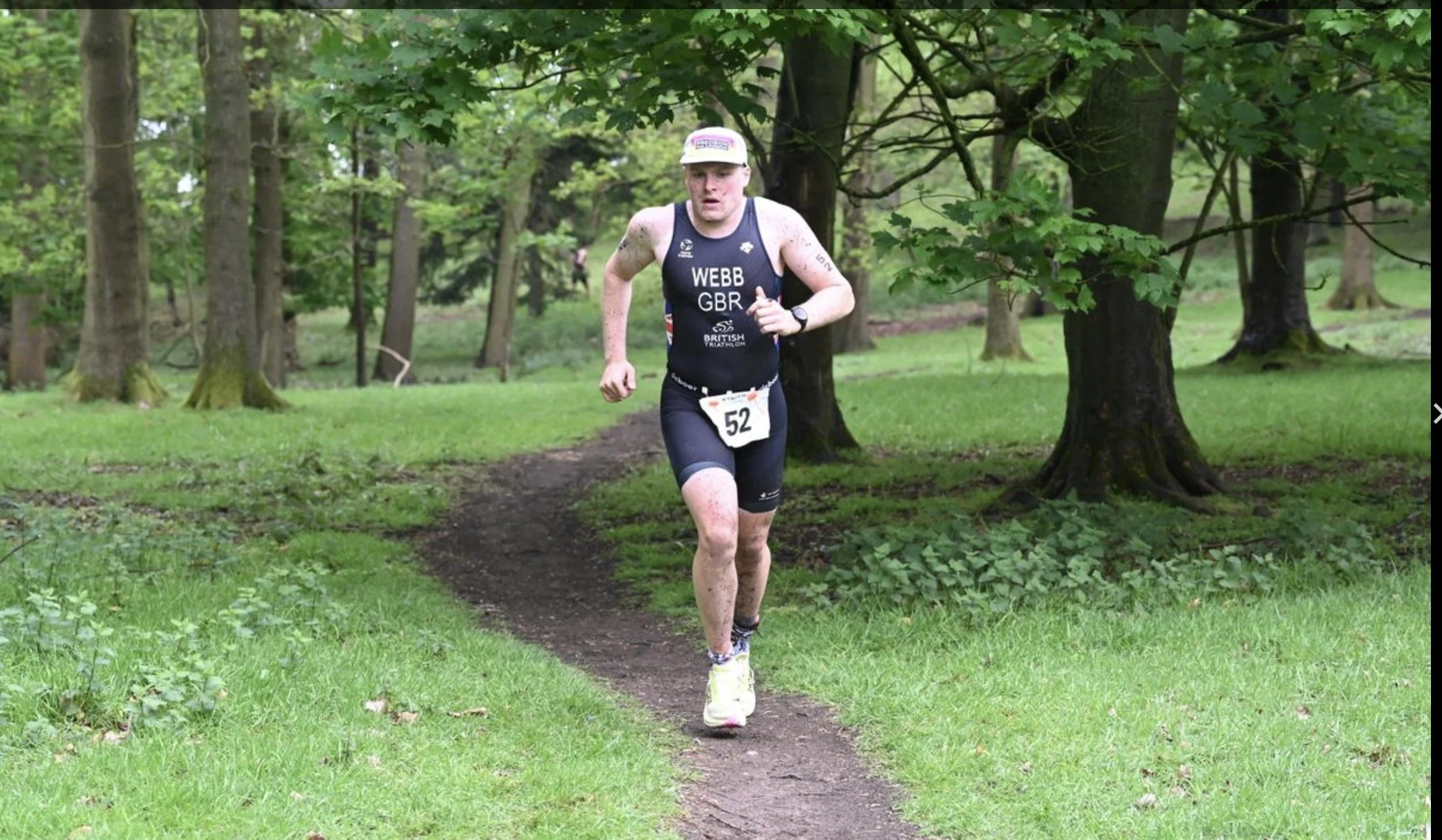
How to Stay Consistent with Triathlon Training (Even When Motivation Drops)
Struggling to stay consistent with triathlon training? This guide breaks down how to build a sustainable routine across swimming, cycling, and running. Learn how to structure your week, manage intensity, avoid burnout, and make steady progress with expert advice from Frederick Webb Triathlon Coaching.
By Frederick Webb Triathlon Coaching
Consistency is the single biggest factor in triathlon success.
Not talent. Not equipment. Not even the perfect training plan.
If you’re searching for:
how to stay consistent with training
why triathlon progress feels slow
how to build a training routine
This is the piece that ties everything together.
Because the athletes who improve aren’t the ones who train hardest—they’re the ones who train regularly.
Why Consistency Matters in Triathlon Training
Triathlon is unique. You’re balancing three disciplines—swim, bike, and run—while managing fatigue, recovery, and everyday life.
Without consistency:
Fitness never fully develops
Skills (especially swimming) don’t improve
Progress feels unpredictable
With consistency:
Aerobic fitness builds steadily
Technique becomes more efficient
Training feels easier over time
This is why every effective triathlon training plan is built around repeatable habits.
The Real Reason Most Athletes Struggle with Consistency
It’s not lack of motivation—it’s poor structure.
Common mistakes include:
Doing too much too soon
Training randomly without a plan
Ignoring recovery
Setting unrealistic expectations
Many beginners search for “best triathlon training plan” when the real issue is sustainability.
The best plan is the one you can follow week after week.
Build a Simple, Repeatable Training Routine
Consistency comes from simplicity.
A strong beginner triathlon training routine should include:
2–3 sessions per discipline each week
1–2 rest or recovery days
A manageable weekly schedule
Instead of chasing perfect sessions, focus on:
Showing up regularly
Keeping sessions achievable
Building momentum
Structure removes decision fatigue—and makes training automatic.
Balance All Three Disciplines
One of the biggest threats to consistency is imbalance.
Athletes often:
Skip swims because they feel difficult
Overtrain their strongest discipline
Avoid weak areas
This leads to frustration and stalled progress.
A balanced triathlon coaching approach ensures:
Regular exposure to all three sports
Gradual improvement across the board
Consistency isn’t just about frequency—it’s about balance.
Control Intensity to Avoid Burnout
Going too hard, too often, is one of the fastest ways to lose consistency.
Signs you’re overdoing it:
Constant fatigue
Lack of motivation
Missed sessions
Instead:
Keep most sessions at an easy to moderate effort
Save harder efforts for key workouts
Focus on sustainable pacing
Training should feel challenging—but manageable.
Recovery Is What Keeps You Consistent
Recovery isn’t optional—it’s what allows consistency to exist.
Without it:
You break down physically
Motivation drops
Injuries become more likely
A good triathlon training programme includes:
Rest days
Easy sessions
Sleep and nutrition support
The goal is to be ready for the next session—not exhausted from the last one.
Make Training Realistic (Not Idealistic)
One of the biggest mindset shifts is accepting that training won’t always be perfect.
Weather changes. Life gets busy. Sessions don’t always go to plan.
Consistent athletes:
Adapt instead of skipping sessions
Shorten workouts when needed
Focus on doing something rather than nothing
Progress comes from flexibility, not perfection.
Use Small Wins to Build Momentum
Consistency isn’t built in big breakthroughs—it’s built in small wins.
Examples:
Completing all sessions in a week
Improving swim confidence
Finishing a brick workout comfortably
These wins build confidence and reinforce the habit of training.
Momentum is what turns effort into long-term progress.
Support Consistency with Nutrition and Fueling
Low energy is one of the biggest hidden causes of inconsistency.
If you’re:
Under-fueling
Dehydrated
Skipping recovery nutrition
Training becomes harder than it needs to be.
Focus on:
Eating enough to support your workload
Hydrating regularly
Refueling after sessions
Energy drives consistency.
Set the Right Expectations
Many athletes quit because they expect fast results.
But triathlon progress is gradual:
Fitness builds over months
Technique improves with repetition
Confidence grows through experience
Consistency wins because it compounds over time.
The Formula for Consistency in Triathlon
If you simplify everything, it comes down to this:
Structured plan
Balanced training
Controlled intensity
Proper recovery
Realistic expectations
Repeat that weekly—and progress becomes inevitable.
Final Thoughts: Consistency Over Everything
At Frederick Webb Triathlon Coaching, we don’t focus on extreme training or short-term gains.
We focus on:
Sustainable routines
Long-term development
Building athletes who improve year after year
Because in triathlon, consistency isn’t just important—
It’s everything.
Call to Action
Struggling to stay consistent with your triathlon training?
Frederick Webb Triathlon Coaching offers:
Personalised triathlon training plans
1:1 coaching support
Start building consistency today and unlock your full potential.
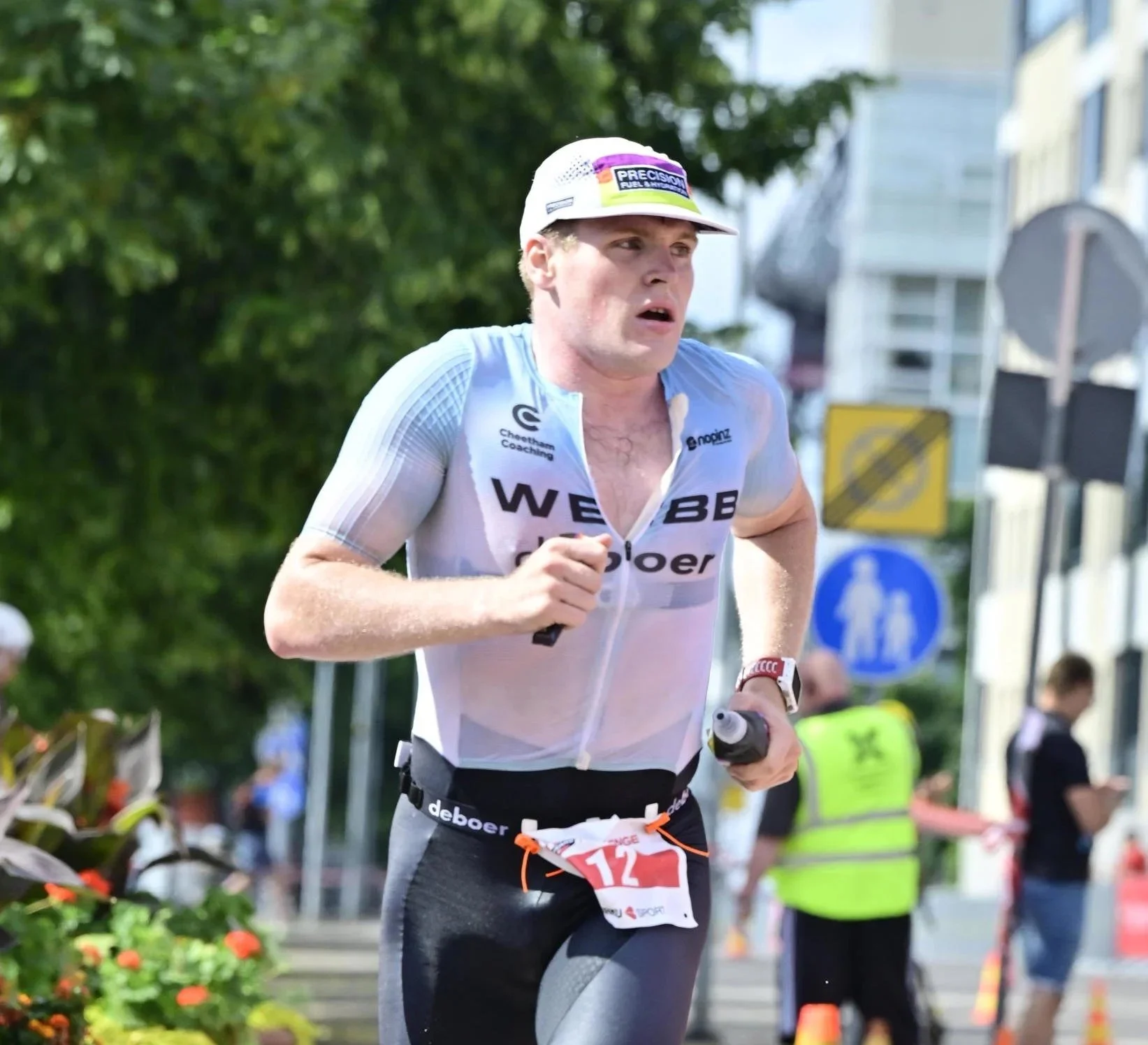
Frederick Webb Triathlon Coaching vs AI Training
AI coaching tools like ChatGPT can build structured triathlon plans—but they can’t replace real-world coaching.
Frederick Webb Triathlon Coaching offers personalised training, ongoing feedback, and accountability that adapts to your lifestyle, fitness, and goals.
For athletes who want more than a generic plan, the difference isn’t just noticeable—it’s performance-changing.
Why Serious Athletes Choose Personal Coaching
AI tools like ChatGPT can build a training plan in seconds.
But if you’re serious about improving your triathlon performance, a plan alone isn’t enough.
You need coaching.
The Problem with AI Coaching
AI training plans are:
Based only on the information you input
Lacking real-world feedback
Unable to truly adapt to your day-to-day life
They can tell you what to do.
But they can’t tell if you’re doing it right—or if it’s even right for you.
The Frederick Webb Difference
With Frederick Webb Triathlon Coaching, you’re not following a template.
You’re working directly with an experienced, high-level triathlete who understands what it takes to perform.
1. Coaching Built Around You
Your training is designed specifically for:
Your goals
Your current fitness
Your lifestyle and schedule
No generic plans. No guesswork. Just a clear path forward.
2. Real Feedback, Real Progress
AI can’t see how you swim, ride, or run.
Frederick can.
With ongoing feedback and technique analysis, you’ll:
Improve efficiency
Reduce injury risk
Get more from every session
3. Constant Adaptation
Life changes. Your training should too.
Your plan is continuously adjusted based on:
Performance
Fatigue
Life commitments
So you stay consistent—without burning out.
4. Direct Access & Accountability
You’re not training alone.
With direct communication and regular check-ins, you get:
Answers when you need them
Adjustments in real time
The accountability to stay on track
5. Experience That Goes Beyond Data
AI uses data.
Frederick combines data with:
Elite-level racing experience
Proven coaching insight
Real-world decision making
That’s what turns training into performance.
Who This Is For
This coaching is ideal if you:
Want to improve faster and more efficiently
Are preparing for a key race or event
Feel stuck following generic plans
Value expert guidance and accountability
AI vs Personal Coaching — The Bottom Line
AI is a tool.
Coaching is a system.
If you want:
Better results
Fewer setbacks
A proven path to progress
Then personalised coaching isn’t a luxury—it’s the advantage.
Start Training With Purpose
Join Frederick Webb Triathlon Coaching and get a training approach built entirely around you.
Ready to take the next step?
Get in touch today and start training with clarity, structure, and confidence.