

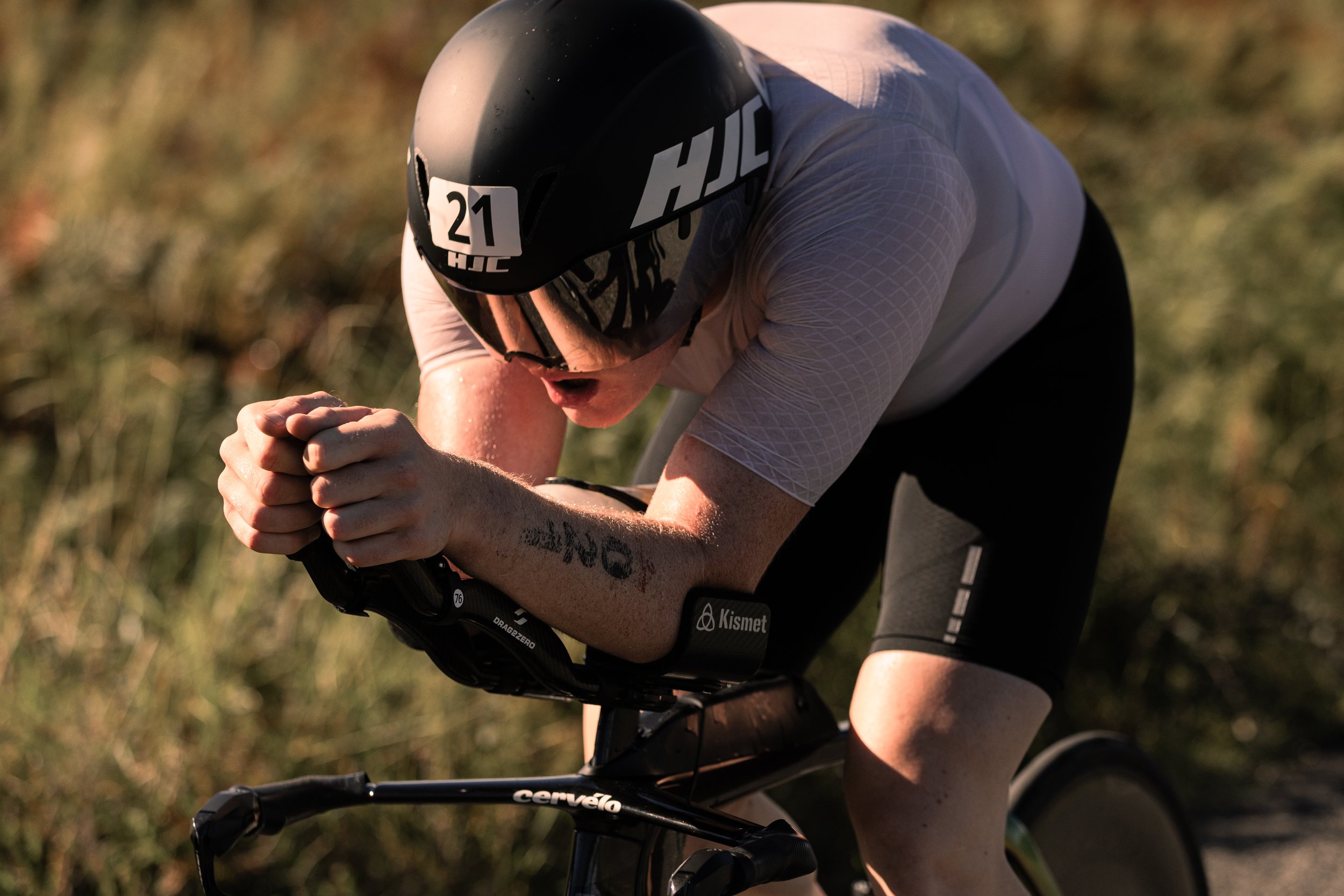
Why Choose Frederick Webb as Your Triathlon Coach?
Looking for a triathlon coach? Discover why professional triathlete Frederick Webb is trusted by beginners, Ironman athletes, and Age Group qualifiers across the UK and internationally.
Choosing a triathlon coach is one of the most important decisions you will make as an athlete.
There are hundreds of coaches, countless online plans, and an increasing number of AI-driven training platforms promising faster results.
But coaching is about far more than simply prescribing workouts.
It is about trust.
It is about communication.
It is about having someone who understands your goals and knows how to help you achieve them.
At Frederick Webb Triathlon, the coaching philosophy is simple:
Provide truly personalised coaching that helps athletes achieve more than they thought possible.
Whether your goal is completing your first sprint triathlon, qualifying for the British Age Group Team, or racing Ironman, Frederick offers the experience, support, and expertise needed to help you succeed.
Coached by a Current Professional Triathlete
One of the biggest advantages of working with Frederick is that he is not simply a coach who used to race.
He is a current professional triathlete, actively competing and learning within the sport.
This means athletes benefit from:
Current training methodologies
Modern race strategies
Up-to-date nutrition approaches
Real-world racing experience
Practical solutions that actually work
Triathlon is constantly evolving.
Having a coach who is actively immersed in the sport provides valuable insight that goes beyond textbooks and certification courses.
Truly Personalised Coaching
Many coaching companies claim to offer personalised coaching.
In reality, many athletes receive slight variations of the same generic programme.
Frederick takes a different approach.
Every athlete receives training built around:
Their goals
Their lifestyle
Their work schedule
Their family commitments
Their strengths and weaknesses
Their injury history
The philosophy is simple:
No two athletes are the same, so their training plans shouldn't be either.
Unlimited Communication
One of the most common frustrations athletes experience with coaching is feeling disconnected from their coach.
Frederick places significant emphasis on communication, offering ongoing support through:
WhatsApp
Phone calls
Voice notes
This means questions can be answered quickly and training can be adjusted when life inevitably gets in the way.
Great coaching is not about receiving a plan once a month.
It is about having support throughout the journey.
Proven Athlete Results
Ultimately, coaching should be judged by athlete outcomes.
Frederick has coached athletes to:
Age Group World Championship podiums
European Championship podiums
British Championship medals
Age Group qualification races
Ironman and 70.3 World Championship qualification
T100 World Championship qualification
First-time triathlon finishes
Ironman and Ironman 70.3 personal bests
Athletes have progressed from complete beginners to Age Group qualifiers, while others have achieved podium finishes at national and international events.
One athlete even progressed from being unable to swim more than 10 metres to completing an Ironman 70.3 within 12 months.
Success With Athletes of All Levels
Some coaches specialise only in elite athletes.
Others focus solely on beginners.
Frederick successfully coaches both.
His athletes range from:
Beginners
Athletes completing their first triathlon.
Age Group Competitors
Athletes chasing personal bests and qualification standards.
Long-Course Athletes
Those targeting Ironman and 70.3 races.
Championship Athletes
Athletes competing at World and European Championships.
No goal is considered too big or too small.
Coaching That Fits Around Real Life
One of the biggest mistakes endurance athletes make is trying to train like professionals.
Most athletes have:
Careers
Families
Social commitments
Limited training hours
Frederick understands this because many of the athletes he coaches face exactly these challenges.
His coaching philosophy focuses on:
Sustainable progression
Long-term development
Consistency
Avoiding burnout
The goal is not simply to maximise training volume.
The goal is to maximise results from the time available.
Expertise Beyond Swim, Bike and Run
Triathlon performance is about more than completing sessions.
Athletes also need support with:
Race strategy
Nutrition
Recovery
Open water swimming
Strength training
Injury prevention
Mental preparation
Frederick's coaching philosophy integrates all aspects of performance rather than treating them as separate elements.
This holistic approach helps athletes become better-rounded performers and more resilient competitors.
A Strong Coach-Athlete Relationship
Many athlete testimonials highlight the same themes:
Communication
Trust
Adaptability
Support
Confidence
Athletes consistently describe Frederick's coaching style as practical, calm, knowledgeable, and highly personalised. They often mention improvements not only in performance but also in confidence and enjoyment of the sport.
Great coaching relationships are partnerships.
Frederick works alongside athletes to help them understand their training and become better athletes over time.
Why Athletes Choose Frederick Webb Triathlon
Athletes choose Frederick Webb Triathlon because they receive:
✔ Coaching from a current professional triathlete
✔ Fully personalised training plans
✔ Unlimited communication and support
✔ Expert race strategy guidance
✔ Strength and conditioning integration
✔ Open water swim expertise
✔ Flexible coaching around work and family life
✔ Proven results across all ability levels
✔ Honest, supportive coaching focused on long-term development
Most importantly, they receive coaching from someone genuinely invested in helping them succeed.
Final Thoughts
There are many coaching options available today.
What separates great coaching from average coaching is not the software used or the complexity of the training plan.
It is the relationship between coach and athlete.
Frederick Webb combines professional racing experience, proven coaching success, personalised planning, and exceptional communication to help athletes achieve goals they once thought were out of reach.
Whether you are preparing for your first triathlon, aiming for an Ironman finish, or chasing Age Group qualification, you deserve a coach who understands both the science of performance and the realities of everyday life.
That is exactly what Frederick Webb Triathlon delivers.
Ready to train smarter, race faster, and achieve your triathlon goals?
Visit Frederick Webb Triathlon and book your free consultation today.
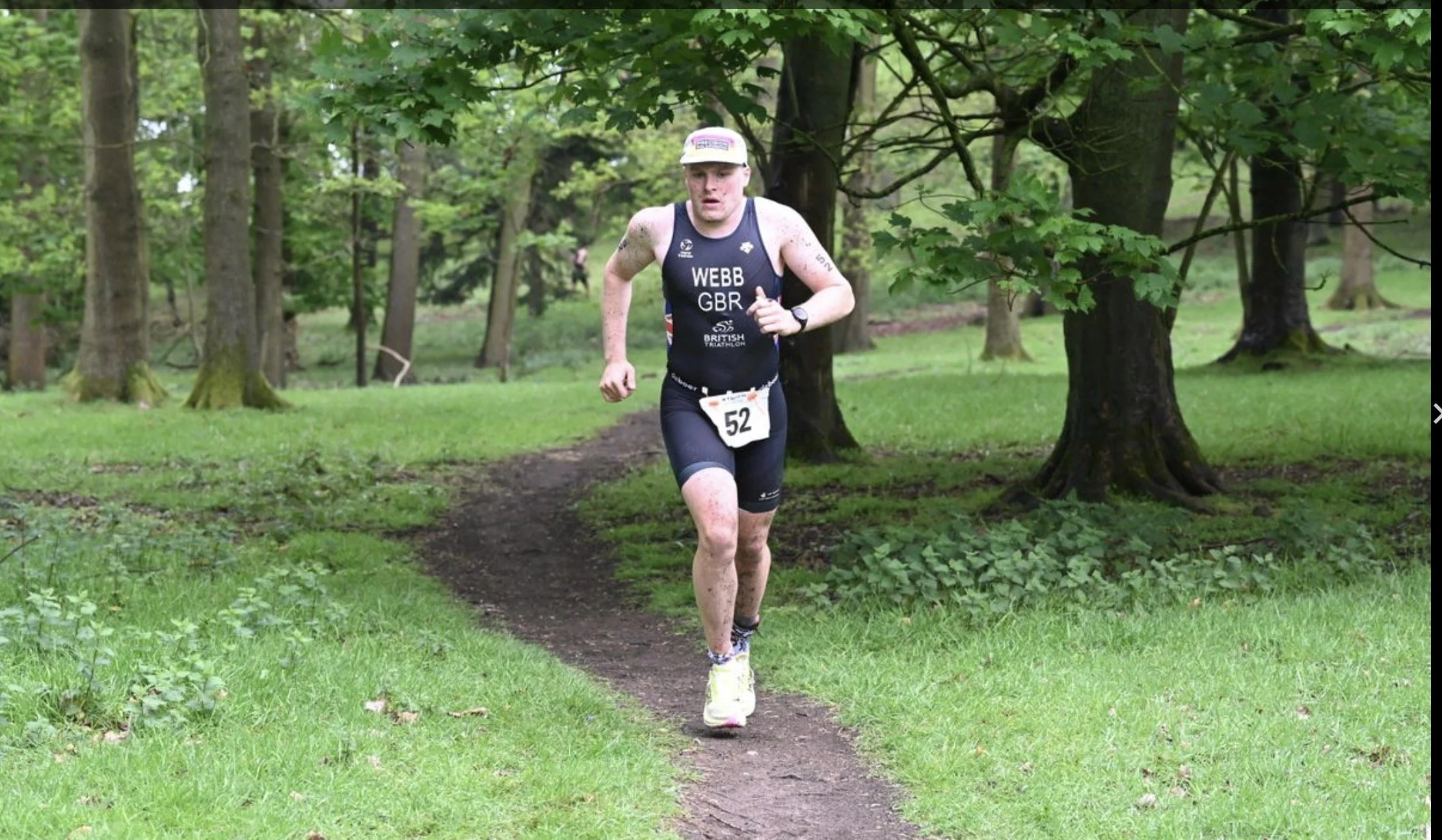
Why a Triathlon Coach Is One of the Best Investments You Can Make
Discover why hiring a triathlon coach can help you train smarter, avoid injury, improve performance, and achieve your goals faster. Learn the benefits of personalised triathlon coaching.
Triathlon is an incredible sport.
It challenges your body, your mind, and your commitment like few other activities can. Whether you're preparing for your first sprint triathlon, aiming to complete an Ironman, or chasing qualification for the British Age Group Team, the journey can be both exciting and overwhelming.
With thousands of free training plans available online and AI-powered training apps becoming increasingly popular, many athletes ask:
"Do I really need a triathlon coach?"
The simple answer is:
If you want to maximise your potential, avoid common mistakes, and achieve your goals faster, then yes.
At Frederick Webb Triathlon, I've worked with athletes ranging from complete beginners to experienced age-group competitors, and one thing becomes clear very quickly:
The athletes who make the biggest improvements rarely do it alone.
A Coach Provides More Than a Training Plan
Many athletes think coaching is simply receiving a weekly schedule of workouts.
In reality, a coach provides much more than that.
A good coach helps you:
Understand your training
Build confidence
Avoid unnecessary mistakes
Manage fatigue
Navigate setbacks
Stay accountable
Execute races effectively
Training plans tell you what to do.
A coach helps you understand why you're doing it and adapts the plan when life inevitably gets in the way.
Personalised Training Delivers Better Results
One of the biggest flaws with generic online training plans is that they are designed for everyone.
And if they are designed for everyone, they are designed perfectly for no one.
Every athlete is different.
You have unique:
Strengths
Weaknesses
Goals
Work commitments
Family responsibilities
Recovery capacity
A coach builds training around your life rather than forcing your life around a training plan.
This leads to better consistency, better recovery, and ultimately better performance.
You Avoid Costly Training Mistakes
One of the most common reasons athletes plateau is not a lack of effort.
It's because they're doing the wrong type of training.
Many triathletes:
Train too hard
Race too often
Ignore recovery
Neglect strength training
Spend too much time in the "grey zone"
These mistakes can limit progress for months or even years.
A coach helps you avoid these pitfalls and ensures every session has a purpose.
Accountability Improves Consistency
Most athletes know what they should be doing.
The challenge is doing it consistently.
When you're coaching yourself, it's easy to:
Skip sessions
Change workouts
Train harder than prescribed
Lose motivation
Having a coach creates accountability.
Knowing someone is reviewing your training and supporting your progress often makes the difference between a missed workout and a completed one.
And in endurance sport:
Consistency beats perfection every time.
A Coach Helps You Stay Injury-Free
Injuries are one of the biggest barriers to long-term progress.
Many athletes believe they need to train more.
Often, they simply need to train smarter.
A coach helps manage:
Training load
Recovery
Strength training
Progression rates
This significantly reduces the risk of overtraining and injury.
The best training plan in the world is useless if you're too injured to follow it.
Race-Day Execution Matters
Many triathletes spend months preparing for a race and then lose significant time through poor execution.
Common mistakes include:
Starting the swim too fast
Riding above target power
Poor nutrition
Inadequate hydration
Incorrect pacing
A coach helps prepare you for race day, ensuring your fitness translates into performance.
Because Ironman, 70.3, and even sprint triathlons are not always won by the fittest athlete.
They're often won by the athlete who executes the smartest race.
Confidence Comes From Experience
One of the biggest benefits of coaching is having access to someone who has already helped athletes solve the challenges you're facing.
Whether it's:
Open water swim anxiety
Hitting a performance plateau
Preparing for an Ironman
Qualifying for the British Age Group Team
An experienced coach has likely helped other athletes overcome the same obstacle.
That experience provides reassurance, confidence, and practical solutions.
You Learn Faster
Trial and error can work.
Eventually.
But it can also be slow and frustrating.
A coach helps shorten the learning curve.
Instead of spending years figuring things out on your own, you benefit from:
Proven training methods
Race experience
Performance insights
Objective feedback
This allows you to progress faster and avoid repeating common mistakes.
Motivation Is Easier When You Have Support
Every athlete experiences periods where motivation drops.
Work becomes stressful.
Training feels harder.
Progress slows.
During these moments, having someone in your corner can make a huge difference.
A coach helps:
Keep perspective
Maintain consistency
Adjust expectations
Navigate setbacks
Sometimes the most valuable coaching isn't the session itself.
It's the conversation that keeps an athlete moving forward.
Why Work With Frederick Webb Triathlon?
As a professional triathlete and coach, I combine real-world racing experience with personalised coaching designed around the individual athlete.
My coaching philosophy is built on:
✔ Personalised training plans
✔ Long-term athlete development
✔ Consistency over quick fixes
✔ Strong coach-athlete communication
✔ Evidence-based training methods
✔ Helping athletes enjoy the process
Whether your goal is:
Completing your first triathlon
Improving your swim confidence
Achieving a personal best
Finishing an Ironman
Qualifying for the British Age Group Team
I can help provide the structure, support, and guidance needed to get there.
The Cost of Not Having a Coach
Many athletes focus on the cost of coaching.
Few consider the cost of not having coaching.
Without guidance, athletes often lose:
Time
Motivation
Consistency
Performance opportunities
Months of training can be wasted through avoidable mistakes.
A coach helps ensure your effort produces the greatest possible return.
Final Thoughts
Can you complete a triathlon without a coach?
Absolutely.
Many athletes do.
But if you want to achieve your goals faster, train smarter, avoid common mistakes, and unlock your full potential, coaching can be one of the best investments you make.
A coach provides:
✔ Structure
✔ Accountability
✔ Expertise
✔ Support
✔ Confidence
✔ Performance improvements
Most importantly, a coach helps turn ambitious goals into realistic plans.
At Frederick Webb Triathlon, my mission is simple:
To help athletes become faster, healthier, more confident, and more successful in the sport they love.
If you're ready to take your triathlon training to the next level, I'd love to help.
Visit www.frederickwebb-triathlon.com to learn more about personalised coaching and start your journey today.
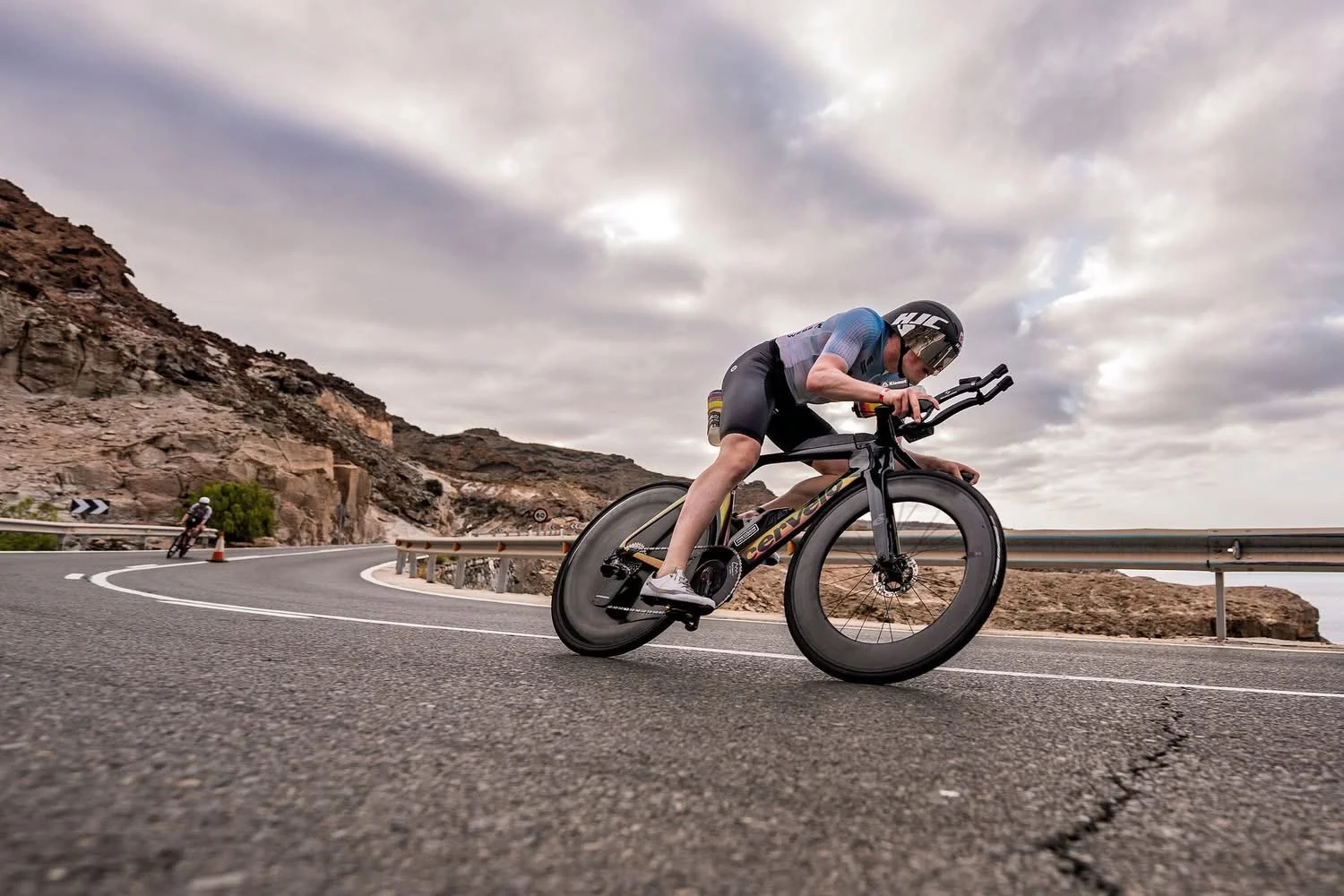
How Frederick Webb Triathlon Can Help You Achieve Your Triathlon Dreams
Whether you're preparing for your first triathlon, chasing a personal best, or aiming to represent Great Britain, discover how Frederick Webb Triathlon can help you achieve your goals through personalised coaching and real-world experience.
Every triathlete starts somewhere.
For some, the goal is simply to complete their first sprint triathlon.
For others, it might be finishing an Ironman, qualifying for the British Age Group Team, standing on a podium, or finally breaking through a performance plateau that has held them back for years.
No matter where you are on your journey, one thing is true:
The right guidance can dramatically accelerate your progress.
As a professional triathlete and coach, I have experienced the highs and lows of the sport firsthand. I've dealt with setbacks, injuries, disappointing races, breakthrough performances, and everything in between.
That experience has shaped how I coach today.
At Frederick Webb Triathlon, my mission is simple:
To help athletes of all abilities unlock their potential and enjoy the process along the way.
More Than Just a Training Plan
One of the biggest misconceptions about coaching is that athletes are simply paying for workouts.
The reality is that successful coaching is about much more than a training plan.
A good coach helps you:
Train smarter
Avoid common mistakes
Stay consistent
Build confidence
Navigate setbacks
Execute races effectively
Training plans are easy to find online.
Personalised coaching is different.
Every athlete has unique:
Strengths
Weaknesses
Time commitments
Recovery capacity
Goals
Your training should reflect that.
That's why every coaching programme is built around you as an individual.
Learn From Someone Living the Sport
As a professional triathlete, I am not coaching from a textbook.
I am actively competing, training, and continually learning from the sport at a high level.
That means my athletes benefit from:
Current training methods
Real-world race experience
Proven performance strategies
First-hand knowledge of what works
The sport evolves constantly.
Training methods improve.
Technology advances.
Race strategies change.
Being immersed in the sport allows me to bring that knowledge directly into the coaching process.
Coaching for Every Level of Athlete
One thing I am passionate about is helping athletes at every stage of their journey.
You do not need to be an elite athlete to benefit from coaching.
First-Time Triathletes
Starting triathlon can feel overwhelming.
Questions often include:
How much should I train?
What equipment do I need?
How do transitions work?
How do I prepare for open water swimming?
I help simplify the process so you can focus on enjoying the experience and building confidence.
Improving Age-Group Athletes
Many athletes reach a point where progress slows.
You train harder but results stay the same.
This is often where structured coaching becomes most valuable.
Together we identify:
Performance limiters
Technical weaknesses
Training opportunities
And build a plan to move you forward.
Ironman and Long-Distance Athletes
Preparing for an Ironman requires more than simply increasing training volume.
Success comes from:
Smart planning
Nutrition strategy
Recovery management
Race execution
Having raced and trained at a high level, I understand the challenges long-course athletes face and how to prepare effectively.
British Age Group Qualification
For athletes dreaming of wearing the GB trisuit, coaching can help turn an ambitious goal into a realistic plan.
We focus on:
Long-term progression
Race selection
Performance development
Qualification strategy
Many athletes are capable of more than they realise.
Sometimes they simply need the right roadmap.
Swim Coaching That Builds Confidence
For many triathletes, swimming is the most intimidating discipline.
I regularly work with athletes who:
Lack confidence in open water
Struggle with technique
Feel anxious before races
Believe they are "bad swimmers"
The good news?
Most swim improvements come from technique and efficiency rather than fitness alone.
Through personalised feedback and coaching, I help athletes become:
Faster
More efficient
More confident
Because enjoying the swim can completely transform your race experience.
Smarter Bike and Run Training
One of the biggest mistakes triathletes make is training too hard too often.
More effort does not always mean more improvement.
In fact, many athletes plateau because they never recover properly.
My coaching philosophy focuses on:
Consistency
Long-term development
Sustainable progression
The goal is not to win training sessions.
The goal is to perform on race day.
Every session should have a purpose.
Every training block should move you closer to your goals.
Strength Training for Better Performance
Strength training is one of the most overlooked aspects of triathlon.
Done correctly, it can:
Reduce injury risk
Improve durability
Enhance running economy
Increase bike power
Improve overall resilience
I help athletes integrate strength training into their schedule without compromising endurance performance.
The result is a stronger, more robust athlete.
Personalised Support and Accountability
One of the most valuable parts of coaching is knowing that someone is invested in your success.
When challenges arise—and they always do—you are not facing them alone.
Coaching provides:
Accountability
Objective feedback
Adjustments when life gets busy
Support during setbacks
Guidance when motivation drops
Having someone in your corner can make a huge difference.
A Coaching Relationship Built on Trust
The best coaching relationships are partnerships.
My goal is not simply to tell athletes what to do.
It is to help them understand:
Why they are training a certain way
How to make better decisions
How to become more confident athletes
Education is a key part of the process.
Because the more you understand your training, the better your results tend to be.
What Success Looks Like
Success means different things to different athletes.
For some, it might be:
Finishing their first triathlon
Swimming confidently in open water
Achieving a personal best
Completing an Ironman
Qualifying for the British Age Group Team
Whatever your goal, my role is to help create the pathway that gets you there.
Not through shortcuts.
Not through unrealistic promises.
But through smart, personalised coaching built around your life and ambitions.
Why Choose Frederick Webb Triathlon?
When you work with Frederick Webb Triathlon, you benefit from:
✔ Coaching from a professional triathlete
✔ Personalised training plans
✔ Swim, bike, run, and strength support
✔ Open water swim guidance
✔ Race strategy and planning
✔ Ongoing communication and feedback
✔ Accountability and motivation
✔ Coaching tailored to your lifestyle
Most importantly:
You work with someone who genuinely cares about helping you succeed.
Final Thoughts
Triathlon is an incredible sport.
It challenges you physically, mentally, and emotionally.
But you do not have to navigate the journey alone.
Whether your goal is to finish your first race, complete an Ironman, qualify for the British Age Group Team, or simply become a stronger and more confident athlete, I would love to help.
At Frederick Webb Triathlon, coaching is about more than performance.
It is about helping people achieve things they once thought were impossible.
If you're ready to take the next step in your triathlon journey, get in touch today and let's start building a plan to achieve your triathlon dreams.
Most Triathletes Train Too Hard — And That’s Why They Stay Slow
If you're training harder than ever but not getting faster, you may be making the most common mistake in triathlon. Discover why most triathletes train too hard and how smarter training produces better results.
It sounds completely backwards.
Surely the athletes who train hardest should be the fastest?
More effort.
More suffering.
More intensity.
More results.
Right?
Not necessarily.
In fact, one of the most common mistakes in triathlon is training too hard, too often.
And the frustrating reality is that many athletes spend years working incredibly hard while making very little progress.
At Frederick Webb Triathlon, one of the first things we often notice when reviewing an athlete's training is not a lack of effort.
It's the opposite.
They're trying too hard.
The irony is that the athletes who improve the most are rarely the athletes who train the hardest every day.
They're usually the athletes who train the smartest.
The Problem: Everything Becomes "Moderately Hard"
Ask most triathletes how their sessions feel and you'll often hear:
"Pretty hard."
"Solid effort."
"Comfortably uncomfortable."
"I pushed the pace a bit."
That sounds productive.
But it creates a huge problem.
Instead of having truly easy days and truly hard days, many athletes spend most of their training in the middle.
Not easy enough to recover.
Not hard enough to create significant adaptation.
Sports scientists often refer to this as the:
Grey Zone
Or
Moderate Intensity Trap
It's where many triathletes live.
And it's where progress often stalls.
Why Easy Training Feels Wrong
One reason athletes train too hard is psychological.
Easy sessions can feel unproductive.
When you're running slowly or spinning easily on the bike, it can feel like you're losing fitness.
You see another athlete on Strava posting:
Faster paces
Bigger power numbers
Hard intervals
And suddenly your easy session feels inadequate.
But endurance performance doesn't improve because every session is hard.
It improves because your body adapts to the right amount of stress.
Recovery is where adaptation happens.
Not during the workout itself.
The World's Best Endurance Athletes Train Easy
This surprises many age-group athletes.
Elite endurance athletes spend a large percentage of their training at relatively low intensity.
Why?
Because easy aerobic training develops:
Aerobic capacity
Fat utilisation
Recovery ability
Muscular endurance
Training consistency
Without creating excessive fatigue.
They save their hardest efforts for sessions that actually matter.
Many age-group triathletes do the opposite.
They turn every workout into a test.
The Hidden Cost of Training Too Hard
When intensity becomes excessive, several things happen.
Recovery Suffers
You start each session carrying fatigue from the previous one.
Performance declines.
Training quality drops.
Injury Risk Increases
Tired athletes move poorly.
Small niggles become injuries.
Consistency disappears.
Key Sessions Lose Quality
If you're exhausted all week, you cannot execute your most important workouts properly.
Motivation Drops
Constant fatigue eventually becomes mentally draining.
Training starts feeling like survival rather than progression.
Why Zone 2 Training Matters
One of the most misunderstood concepts in triathlon is Zone 2 training.
Many athletes dismiss it as:
"Too easy."
Yet Zone 2 is where much of your aerobic foundation is built.
Benefits include:
✔ Improved aerobic efficiency
✔ Better fat metabolism
✔ Greater endurance capacity
✔ Faster recovery between hard efforts
✔ Improved race durability
The stronger your aerobic base becomes, the higher your performance ceiling rises.
Think of it like building a house.
Intensity is the roof.
Aerobic fitness is the foundation.
A weak foundation limits everything above it.
More Intensity Is Not the Answer
When athletes stop improving, they often make the same mistake.
They add more intensity.
More intervals.
More hard rides.
More threshold work.
More suffering.
But if fatigue is already limiting adaptation, adding more stress usually makes the problem worse.
The solution is often:
Better recovery and better distribution of intensity.
Not more punishment.
The Best Athletes Master Restraint
One trait shared by successful triathletes is discipline.
Not just during hard sessions.
During easy sessions too.
Anyone can push harder.
The challenge is holding back when holding back is the smartest thing to do.
Great athletes understand:
Easy days create the opportunity for great hard days.
And great hard days create fitness.
Signs You're Training Too Hard
Many athletes don't realise they're stuck in this cycle.
Common warning signs include:
Constant tiredness
Heavy legs every day
Poor sleep quality
Elevated resting heart rate
Declining performance
Frequent illness
Loss of motivation
Persistent niggles
If every session feels hard, that's often a sign something is wrong.
Not something is right.
What Smarter Training Looks Like
Smarter triathlon training usually follows a simple principle:
Easy Days Easy
Easy swims.
Easy rides.
Easy runs.
True recovery pace.
Hard Days Hard
Focused interval sessions.
Race-specific efforts.
Quality over quantity.
Consistent Recovery
Sleep.
Nutrition.
Mobility.
Strength work.
All supporting adaptation.
The result?
Better long-term progression.
Why Coaching Helps
One reason athletes struggle with intensity control is emotional decision-making.
Left alone, many triathletes train based on how motivated they feel that day.
Coaching removes that guesswork.
A structured plan helps ensure:
Easy sessions stay easy
Hard sessions have purpose
Recovery is prioritised
Training load progresses appropriately
The goal is not to maximise today's workout.
The goal is to maximise next season's performance.
The Biggest Lesson
The fastest triathletes are not usually the athletes who win Tuesday's training session.
They're the athletes who are still improving six months later.
Consistency beats hero workouts.
Recovery beats exhaustion.
Smart training beats hard training.
Every time.
Final Thoughts
If you've been training harder than ever but not seeing the results you want, it may not be a fitness problem.
It may be a training problem.
Many triathletes stay stuck because they spend too much time in the middle:
Too hard to recover.
Too easy to maximise adaptation.
The athletes who improve most are usually the ones who:
✔ Respect recovery
✔ Build a strong aerobic base
✔ Keep easy days easy
✔ Make hard sessions count
✔ Stay consistent for months and years
Training harder is not always the answer.
Training smarter usually is.
At Frederick Webb Triathlon, we help athletes balance training intensity, recovery, and long-term progression to maximise performance across sprint, Olympic, 70.3, and Ironman racing.
Want a triathlon training plan built around smarter training, not just harder training? Get in touch with Frederick Webb Triathlon and start unlocking your real potential.