

Sprint vs Standard Distance: Which Gives You the Best Chance?
Should you race sprint or standard distance triathlon? Discover the key differences, who each distance suits best, and which may give you the best chance of success or British Age Group qualification.
One of the biggest decisions triathletes face is:
Should I race sprint distance or standard distance?
For some athletes, sprint racing feels exciting and fast.
For others, standard distance feels more manageable because the pacing is less aggressive.
And if you are targeting British Age Group qualification, choosing the right distance can make a major difference.
The truth is:
Neither distance is “better.”
But one may suit your strengths, fitness profile, and racing style significantly more.
At Frederick Webb Triathlon, we often help athletes decide which distance offers the best chance of:
Better performance
Faster progression
More enjoyment
Greater qualification opportunities
So let’s break down Sprint vs Standard distance triathlon and figure out which might give you the best chance.
First: What Are the Distances?
Sprint Distance Triathlon
Typically includes:
750m swim
20km bike
5km run
Sprint races are:
Shorter
Faster paced
More intense
Often lasting:
1–1.5 hours depending on ability.
Standard (Olympic) Distance Triathlon
Typically includes:
1500m swim
40km bike
10km run
Standard distance races demand:
More endurance
Better pacing
Stronger aerobic fitness
Usually lasting:
2–3+ hours.
While standard distance is only “double” sprint distance on paper:
It often feels significantly different physically and mentally.
Sprint Distance: Who Does It Suit Best?
Sprint triathlon often rewards athletes who are:
✔ Naturally fast
✔ Strong runners
✔ Comfortable suffering at high intensity
✔ Good at short, aggressive efforts
Sprint racing is hard.
Really hard.
Because there is very little room to settle in.
Pacing tends to feel:
“Uncomfortably hard from the start.”
There is less opportunity to recover from mistakes.
A poor swim or bike section can be difficult to claw back.
Sprint distance particularly suits athletes who:
Come from running backgrounds
Have good top-end speed
Recover quickly from hard efforts
Perform well under pressure
If you enjoy intensity:
Sprint may suit you.
Standard Distance: Who Does It Suit Best?
Standard distance tends to favour athletes with:
✔ Better endurance
✔ Strong aerobic fitness
✔ Good pacing ability
✔ Patience and discipline
Unlike sprint racing:
You cannot simply “redline” from the start.
Pacing becomes far more important.
Too hard early?
You will pay later.
Standard distance often rewards:
Strong cyclists
Efficient swimmers
Endurance-focused athletes
Athletes who improve steadily over time often perform extremely well here.
For many triathletes:
Standard distance feels more tactical.
Less chaotic.
More controlled.
Which Distance Is Better for Beginners?
This surprises many athletes.
People often assume sprint is automatically easier.
Sometimes:
It is.
Sometimes:
It is not.
Why Sprint Can Be Hard for Beginners
Sprint racing feels short.
But intensity is high.
Beginners often go:
Too hard on the bike
Too fast in the run
Panic in the swim
The shorter format leaves little margin for pacing errors.
Why Standard Can Be Better for Some Athletes
The slightly longer distance encourages steadier pacing.
Many endurance-oriented beginners actually find standard distance more comfortable.
Especially athletes from:
Cycling backgrounds
Running endurance backgrounds
Long-distance sports
The best beginner distance depends on:
Fitness profile
Confidence
Training time
Personality
Which Gives the Best Chance of British Age Group Qualification?
This is where strategy matters.
The honest answer:
It depends on your strengths and competition depth.
Some observations:
Sprint Qualification
Often:
More competitive
Faster athletes
Stronger runners
Margins can be tiny.
Seconds matter.
Sprint racing usually favours:
High power output
Fast transitions
Explosive pacing
Standard Distance Qualification
Often rewards:
Endurance
Experience
Smart pacing
Mistakes become more costly.
But endurance athletes sometimes thrive here.
At Frederick Webb Triathlon, we often help athletes choose qualification races strategically.
Sometimes the smartest move is not racing the most popular distance.
It is racing the distance that suits your physiology and strengths.
Swimming Matters More Than You Think
Sprint Distance
A weak swim can hurt badly.
There is less time to recover.
Small gaps become meaningful quickly.
Standard Distance
The swim still matters.
But there is more opportunity to settle into rhythm and recover on the bike.
Confident swimmers often enjoy sprint.
Nervous swimmers sometimes prefer standard pacing.
Bike Strength Changes Everything
Strong Cyclists Often Prefer Standard
Why?
More time to leverage bike strength.
You have longer to:
Ride tactically
Build advantage
Set up the run
Strong Runners Often Like Sprint
Shorter races often favour athletes who can:
Push hard
Run aggressively off the bike
Especially over 5km.
Which Is More Enjoyable?
This is personal.
Sprint Racing Feels:
Fast
Exciting
Aggressive
Adrenaline-heavy
Standard Racing Feels:
More strategic
More aerobic
More controlled
Some athletes love sprint chaos.
Others love pacing and endurance.
You may need to try both.
Many athletes are surprised by what they enjoy most.
Recovery Between Races
Sprint racing often allows:
More frequent racing
Faster recovery
This makes it useful for:
Gaining race experience
Testing pacing
Standard distance usually requires:
Longer recovery
More structured preparation
This can mean fewer races but bigger performance gains.
Common Mistakes When Choosing
Picking Based on Fear
Do not avoid standard because it looks longer.
You may actually suit it better.
Following Friends
Your strengths are unique.
Assuming Sprint Is Easier
Higher intensity changes things.
Ignoring Your Background
Your sport history matters.
Former runners often love sprint.
Endurance cyclists often thrive in standard.
So… Which Gives You the Best Chance?
Choose sprint if you:
✔ Like intensity
✔ Have strong running speed
✔ Recover quickly
✔ Enjoy racing hard
Choose standard if you:
✔ Prefer endurance
✔ Pace well
✔ Have strong bike fitness
✔ Like controlled racing
For British Age Group qualification:
The smartest distance is usually:
The one that best matches your strengths.
Not necessarily the shortest.
Not necessarily the hardest.
The one that gives you the best chance to perform at your highest level.
Final Thoughts
Sprint and standard distance both offer brilliant racing experiences.
Neither is universally better.
The best choice depends on:
✔ Your physiology
✔ Your experience
✔ Your mindset
✔ Your strengths
✔ Your goals
The biggest mistake?
Racing a distance because everyone else says you should.
Race the one that fits you.
At Frederick Webb Triathlon, we help athletes choose the right race distance, structure training, and maximise performance — whether the goal is a first finish line, a personal best, or British Age Group qualification.
Not sure which distance suits you best? Get in touch with Frederick Webb Triathlon and build a smarter race strategy today
What to Eat for Triathlon Training and Race Day
Nutrition can make or break your triathlon performance. This guide covers exactly what to eat during training and on race day—plus how to fuel effectively with Precision Fuel & Hydration.
When it comes to triathlon, your training plan is only part of the equation. What you eat—and when you eat it—plays a huge role in your performance, recovery, and overall experience on race day.
Whether you’re preparing for your first sprint triathlon or pushing toward a personal best, getting your nutrition right can help you train harder, recover faster, and race stronger. In this guide, we’ll break down exactly what to eat for triathlon training and race day, with practical strategies you can apply immediately.
Why Nutrition Matters in Triathlon
Triathlon places high demands on your body across three disciplines. Without proper fueling, you may experience:
Early fatigue
Reduced endurance
Poor recovery
Increased risk of hitting “the wall”
The goal of a smart nutrition strategy is simple: provide your body with the energy it needs—when it needs it most.
Daily Nutrition for Triathlon Training
Your everyday diet lays the foundation for performance. You don’t need anything extreme—just consistency and balance.
Focus on the Fundamentals
A well-rounded triathlete diet includes:
Carbohydrates for energy (rice, pasta, oats, fruit)
Protein for muscle repair (chicken, fish, eggs, legumes)
Healthy fats for long-term energy (nuts, olive oil, avocado)
Aim to eat regular meals and avoid long gaps without fuel, especially during heavy training weeks.
Pre-Workout Nutrition
What you eat before training depends on the session intensity and duration.
For Short Sessions (Under 60 Minutes)
You may not need much fuel if you’ve eaten recently. A light snack can help:
Banana
Toast with honey
Small yogurt
For Longer or Intense Sessions
Fuel up 2–3 hours before with a carb-focused meal:
Oatmeal with fruit
Rice with lean protein
Bagel with peanut butter
This ensures your glycogen stores are topped up and ready.
Fueling During Training
For sessions lasting longer than 60–90 minutes, fueling during exercise becomes essential.
Carbohydrate Intake
A general guideline:
30–60g of carbs per hour for moderate sessions
60–90g of carbs per hour for longer or high-intensity efforts
This is where a structured fueling strategy really pays off. Many athletes use products from Precision Fuel & Hydration to accurately match their carbohydrate and electrolyte needs based on sweat rate and intensity.
Hydration and Electrolytes
Hydration isn’t just about water—you also lose sodium through sweat.
Drink regularly, not just when thirsty
Replace electrolytes during longer sessions
Adjust intake based on heat and effort
Dialing this in during training helps you avoid surprises on race day.
Post-Workout Recovery Nutrition
Recovery is where your body adapts and gets stronger.
Within 30–60 minutes after training:
Eat a mix of carbs and protein
Rehydrate with fluids and electrolytes
Example recovery options:
Protein smoothie with fruit
Chicken and rice
Yogurt with granola
This helps replenish energy stores and repair muscle tissue.
Race Week Nutrition Strategy
In the days leading up to your race, your goal is to arrive fully fueled—not overstuffed.
Carbohydrate Focus
Gradually increase your carb intake 2–3 days before race day to top up glycogen stores.
Good options include:
Pasta
Rice dishes
Potatoes
Low-fiber snacks
Avoid experimenting with new foods—stick to what your body knows.
What to Eat on Race Day
Race day nutrition should feel familiar, not experimental.
Pre-Race Meal (2–3 Hours Before)
Aim for a carb-rich, easy-to-digest meal:
Oatmeal with banana
Toast with jam
Energy drink or sports drink
Keep it light, simple, and something you’ve tested in training.
Fueling During the Race
Your race-day fueling strategy depends on distance, but the principles remain the same.
Sprint Distance
Minimal fueling needed
Optional small carb intake on the bike
Olympic Distance and Beyond
Regular carb intake is essential
Combine fluids, gels, or chews
Using a structured system—like the one offered by Precision Fuel & Hydration—can help you plan exactly how many carbs and electrolytes to take per hour, reducing guesswork and improving consistency.
Hydration on Race Day
Hydration can significantly impact performance, especially in warmer conditions.
Tips:
Start hydrated (but not overhydrated)
Sip fluids consistently on the bike
Adjust based on weather and sweat rate
Practicing your hydration strategy in training is critical—race day is not the time to experiment.
Common Nutrition Mistakes to Avoid
Even experienced triathletes can get this wrong. Watch out for:
Under-fueling during training
Trying new foods or products on race day
Ignoring hydration needs
Overeating right before the race
Not practicing your fueling strategy
Consistency and preparation will always outperform guesswork.
How to Personalize Your Nutrition Plan
Every athlete is different. Factors like body size, sweat rate, and race distance all play a role.
To refine your approach:
Test different fueling strategies in training
Track how your body responds
Adjust based on performance and recovery
Brands like Precision Fuel & Hydration provide tools and guidance to help athletes personalize their hydration and fueling strategies, which can be a game-changer for long-distance events.
Final Thoughts
Nutrition is one of the most powerful tools you have as a triathlete. By fueling your body properly during training and executing a well-practiced race-day strategy, you set yourself up for stronger, more consistent performance.
Keep things simple, stay consistent, and practice everything in advance. When race day comes, you’ll not only feel prepared—you’ll perform at your best.
How to Qualify for the British Age Group Team in Triathlon: Everything You Need to Know
Dreaming of representing Great Britain in triathlon? Discover how the British Age Group Team works, the history behind it, qualification routes, race-day strategies and how Frederick Webb Triathlon can help athletes reach international competition.
For many amateur triathletes, crossing an Ironman finish line is a huge achievement. But for others, the dream goes one step further — wearing the Great Britain tri suit and representing the country on the world or European stage.
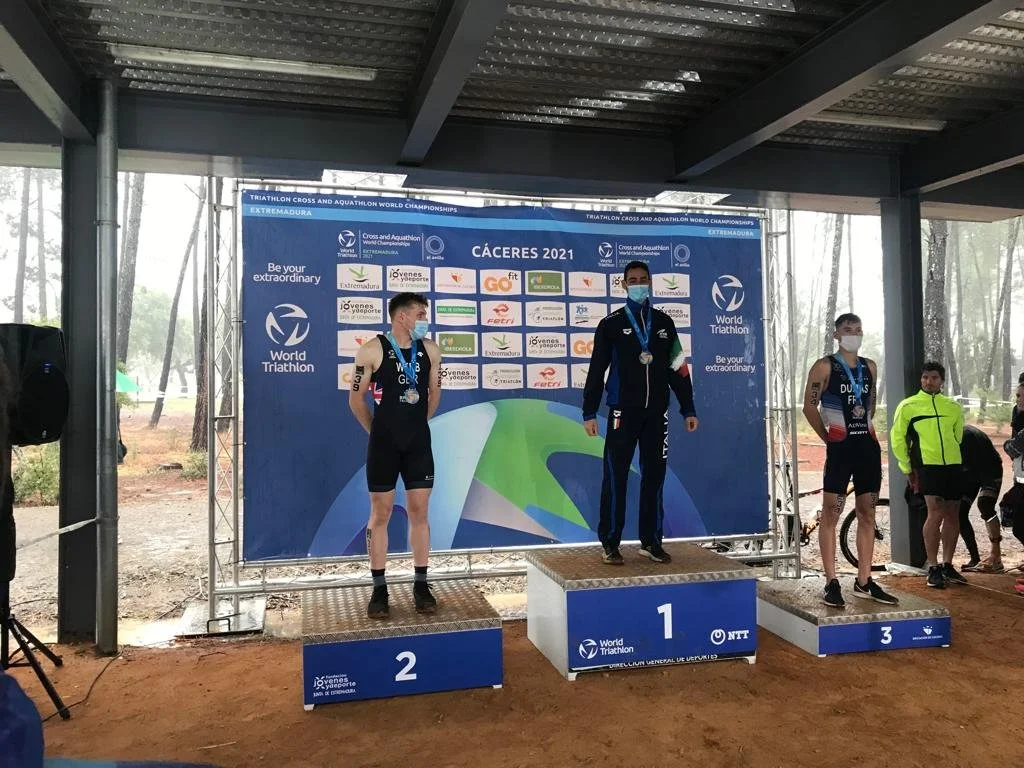
The British Age Group Team gives everyday athletes the opportunity to compete internationally against the best amateur triathletes in the world. Whether you are targeting sprint distance, standard distance, duathlon, aquathlon or long course racing, qualifying for Team GB is one of the most rewarding experiences in endurance sport.
At Frederick Webb Triathlon, we work with athletes across the UK and internationally who want to improve performance, qualify for championships and maximise their triathlon potential.
This guide explains the history of British Age Group racing, how qualification works and what it really takes to earn your place on the start line representing Great Britain.
What Is the British Age Group Team?
The British Age Group Team is managed by British Triathlon and allows amateur athletes to compete internationally in their age category.
Unlike elite racing, Age Group competition is divided into five-year age brackets such as:
20–24
25–29
30–34
35–39
40–44
45–49
and beyond
This means athletes compete against others of a similar age rather than against professionals.
Athletes can qualify to represent Great Britain at:
European Championships
World Championships
Sprint Triathlon Championships
Standard Distance Championships
Duathlon Championships
Aquathlon Championships
Cross Triathlon Championships
Middle and Long Distance Championships
For many competitors, it is the closest experience possible to elite international racing while balancing work, family and everyday life.
The History of British Age Group Racing
Triathlon has grown massively in the UK since the 1980s. As participation increased, international governing bodies introduced structured Age Group racing to give amateur athletes the opportunity to compete globally.
Over time, British athletes became recognised as some of the strongest Age Group competitors in the world. The rise of mass participation events such as Ironman Wales, Ironman 70.3 Swansea and major city triathlons helped fuel the popularity of competitive amateur racing.
Today, Age Group qualification is more competitive than ever. In some age categories, athletes need highly refined training, smart pacing and excellent race execution to secure qualification slots.
The appeal of the British Age Group Team goes beyond performance alone. Athletes often describe it as an unforgettable experience built around national pride, community and personal achievement.
How Do You Qualify for the British Age Group Team?
Qualification usually happens through designated qualifying races approved by British Triathlon.
To qualify, athletes generally need to:
Enter an official qualifier event
Finish within the qualification percentage or slot allocation
Hold a valid British Triathlon membership
Accept their qualification slot after the race
Qualification standards vary depending on:
Race distance
Championship event
Age category
Depth of competition
Some categories are extremely competitive, particularly male 30–39 age groups where qualifying can require near-elite amateur performances.
For newer athletes or older age categories, qualification may be more accessible with structured training and race experience.
What Times Do You Need to Qualify?
There is no universal qualifying time because each race and championship differs.
However, successful Age Group athletes often demonstrate:
Strong swim efficiency
High bike power output
Excellent pacing discipline
Fast transitions
Consistent run durability
For sprint and standard distance racing, small mistakes can make the difference between qualifying and missing out by seconds.
For long-course racing, nutrition, endurance and fatigue resistance become increasingly important.
At Frederick Webb Triathlon, we focus heavily on sustainable performance development rather than quick fixes. Athletes improve most when training is consistent, progressive and tailored to their lifestyle.
The Biggest Mistakes Athletes Make
Many athletes fail to qualify because they focus only on training volume rather than performance quality.
Common mistakes include:
Training Too Hard All the Time
Easy sessions become too hard and hard sessions lose quality. This leads to fatigue and stalled progression.
Ignoring Nutrition
Race fueling is often the deciding factor in longer events. Athletes who underfuel usually fade dramatically late in races.
Poor Pacing
Starting too aggressively on the bike or run can destroy overall performance.
Lack of Race Practice
Transitions, open water swimming and race execution all matter. Experience is critical.
No Structured Plan
Random training rarely produces international-level results. Successful athletes follow structured programmes with clear progression and recovery.
Can Beginner Athletes Qualify?
Absolutely.
Many Age Group athletes start triathlon later in life. Some begin in their 30s, 40s or even 50s before eventually qualifying for Team GB.
The key factors are:
Consistency
Smart coaching
Long-term development
Patience
Injury management
Lifestyle balance
Not every athlete needs professional-level training hours. The right structure often matters more than simply doing more sessions.
How Frederick Webb Triathlon Can Help
At Frederick Webb Triathlon, coaching is designed around real athletes with real lives.
Whether your goal is your first sprint triathlon or qualifying for the British Age Group Team, training should be sustainable, performance-driven and enjoyable.
Coaching support includes:
Personalised triathlon plans
Swim, bike and run analysis
Open water swim coaching
Race pacing guidance
Strength and conditioning support
Nutrition strategy
Long-course preparation
British Age Group qualification support
Based in the South West UK with experience racing internationally, Frederick Webb Triathlon helps athletes develop the confidence and fitness needed to compete at their best.
Final Thoughts
Representing Great Britain as an Age Group athlete is one of the most rewarding goals in triathlon.
It is not reserved for professionals or full-time athletes. With consistency, structure and the right coaching approach, many amateur triathletes can achieve international qualification.
The journey requires commitment, smart training and patience, but crossing the finish line in a GB tri suit makes every early morning session worthwhile.
Whether you are aiming for your first qualifier or chasing a podium finish at a championship event, Frederick Webb Triathlon can help guide the process and maximise your potential.
TT Bike vs Road Bike for Triathlon: Which Should You Choose for Your Race?
Not sure whether to race on a TT bike or road bike? Discover the advantages and disadvantages of each setup for Ironman, 70.3, sprint and hilly triathlon races, plus expert race strategy advice from Frederick Webb Triathlon.
One of the biggest decisions triathletes face before race day is whether to compete on a TT bike or a road bike.
There is no single correct answer. The best bike choice depends on the race course, elevation, technical demands, experience level and your ability to stay comfortable and efficient for the entire event.
At Frederick Webb Triathlon, athletes regularly ask whether investing in a TT bike is worth it or whether a road bike can still be competitive. The reality is that both options can perform exceptionally well when matched correctly to the race and rider.
Understanding the strengths and weaknesses of each setup can make a huge difference to your performance, pacing and overall race experience.
What Is a TT Bike?
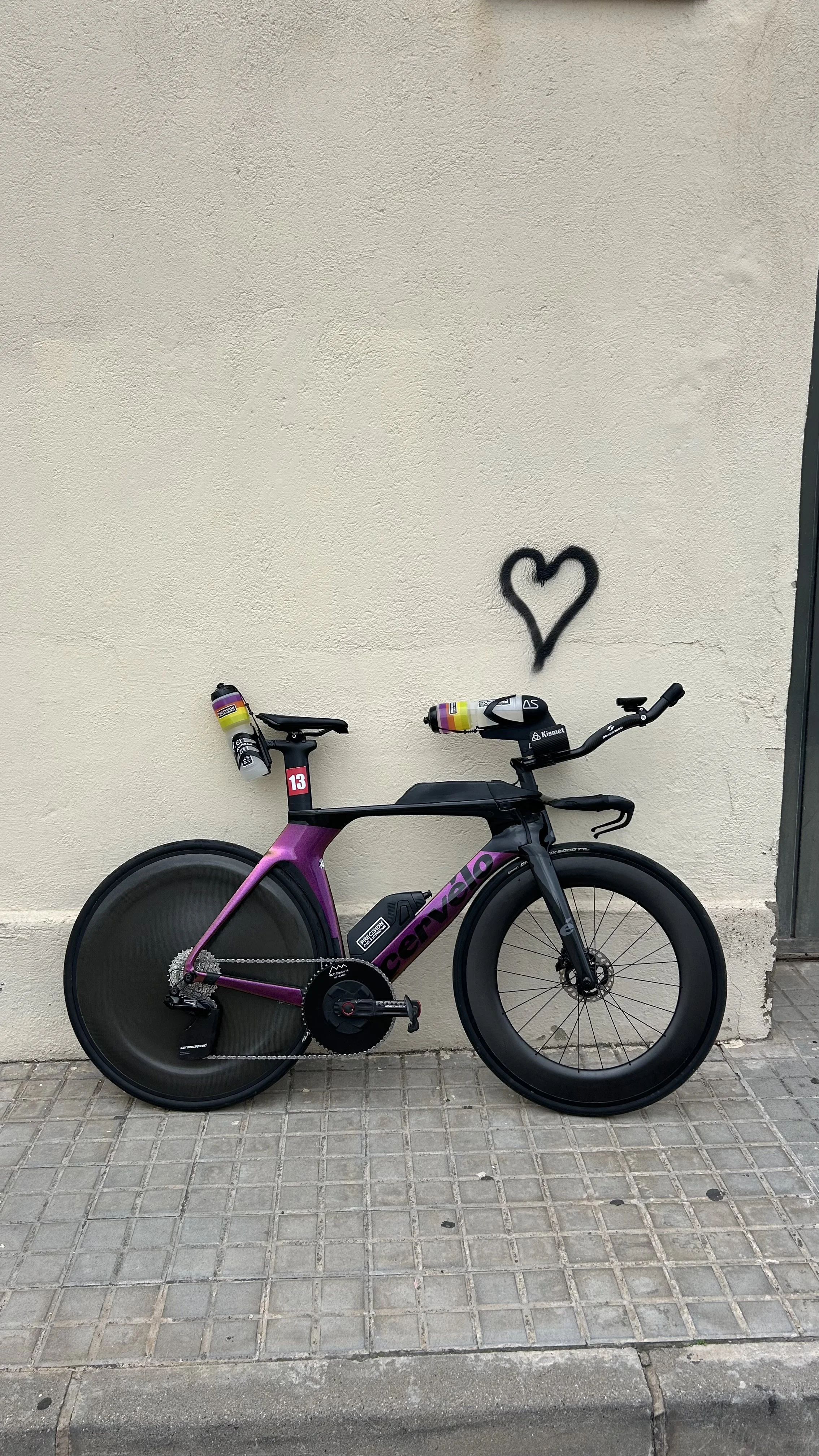
A TT (Time Trial) bike is specifically designed for aerodynamic efficiency.
These bikes feature:
Aero frame geometry
Aerobars
Aggressive riding position
Deep-section wheels
Integrated hydration and storage systems
The goal is simple — reduce aerodynamic drag and maximise speed with less energy expenditure.
In triathlon, aerodynamic efficiency matters massively because most races involve long periods riding solo without drafting.
A properly fitted TT bike can save significant time over middle and long-distance events, especially on flatter and faster courses.
What Is a Road Bike?
A road bike is designed for versatility, handling and climbing performance.
Compared to TT bikes, road bikes generally offer:
Better handling
Easier climbing
More comfort for technical courses
Safer descending
Greater confidence in poor weather
Many triathletes also add clip-on aerobars to a road bike to improve aerodynamic performance while maintaining road-bike handling characteristics.
For beginners, a road bike is often the best starting point because it can be used for:
Training
Sportives
Racing
Climbing-focused events
It is also significantly more practical for everyday riding.
Why TT Bikes Are Faster
The biggest resistance force in cycling is aerodynamic drag.
A TT bike allows riders to maintain a lower frontal position, helping them move through the air more efficiently.
At higher speeds, this becomes incredibly important.
Even small aerodynamic gains can save several minutes across events like:
Challenge Roth
Over long distances, a TT bike can also help preserve the legs for the run because the rider position shifts muscular load differently compared to a road bike setup.
For flat or rolling races, the aerodynamic advantage is difficult to ignore.
When a Road Bike Can Be Better
Despite the aero gains, TT bikes are not automatically faster everywhere.
Technical and hilly races often favour confident bike handling and climbing ability.
Courses with:
Sharp corners
Steep climbs
Narrow descents
Poor road surfaces
Frequent braking
may suit a road bike more effectively.
This is particularly true for athletes who are inexperienced riding aggressively in aero position.
For example, races in Wales and the South West UK frequently feature technical terrain and changing weather conditions. Many athletes actually lose time on TT bikes because they struggle to stay aero or descend confidently.
A road bike ridden aggressively and confidently can outperform a poorly executed TT setup.
Sprint vs Ironman Bike Choice
Sprint Triathlon
Sprint races are shorter and often more technical.
In many sprint races:
Cornering matters more
Accelerations are frequent
Handling is critical
A road bike can be extremely competitive, especially for beginner and intermediate athletes.
If the course is flat and non-technical, a TT bike still offers advantages, but the time savings are smaller compared to longer races.
Olympic and Standard Distance
This is where the decision becomes more balanced.
A TT bike begins to show meaningful aerodynamic gains, but handling and pacing still play major roles.
Experienced riders often benefit from TT setups here, while newer athletes may still feel stronger and more comfortable on road bikes.
Ironman and 70.3 Racing
For long-course triathlon, TT bikes usually provide the biggest performance benefits.
The longer the bike leg, the more aerodynamic efficiency matters.
In races where athletes spend:
2–3 hours riding in 70.3 events
5–7 hours riding in Ironman races
small aerodynamic improvements create substantial time savings.
A comfortable aero position becomes one of the most important performance factors in long-course racing.
The Importance of Bike Fit
The fastest bike is the one you can ride comfortably and consistently.
An expensive TT bike with a poor fit can:
Cause back pain
Reduce power output
Limit aerodynamics
Increase fatigue
Damage run performance
At Frederick Webb Triathlon, bike position and comfort are prioritised before chasing equipment upgrades.
Many athletes gain more speed from:
Better positioning
Improved pacing
Aerodynamic optimisation
Consistent training
than simply buying a more expensive bike.
Common Mistakes Athletes Make
Buying a TT Bike Too Early
Many beginners invest heavily in aero equipment before building bike handling skills or fitness.
Training consistency matters more than equipment at early stages.
Riding Too Aggressively
Trying to stay aero constantly on technical terrain can increase stress and fatigue.
Ignoring Comfort
Aerodynamics only work if the position is sustainable.
Choosing Based on Social Media
Professional setups do not always suit amateur athletes. Your bike should match your race demands and riding ability.
Which Bike Should You Choose?
A TT bike is usually best if:
You race middle or long-course triathlon
Courses are flatter or rolling
You are confident riding aero
You want maximum speed potential
You prioritise solo racing performance
A road bike is often best if:
You are newer to triathlon
Courses are technical or mountainous
You value comfort and versatility
You regularly ride in groups
You prefer confident handling
There is no universal answer. The smartest athletes choose equipment based on performance demands rather than trends.
How Frederick Webb Triathlon Can Help
At Frederick Webb Triathlon, coaching focuses on helping athletes make smarter performance decisions — not just buying faster equipment.
Support includes:
Race-specific bike strategy
Aero position advice
Triathlon pacing guidance
Bike fit recommendations
Long-course preparation
Climbing and technical riding development
TT adaptation sessions
Open road confidence coaching
Whether you are preparing for your first sprint triathlon or targeting Ironman qualification, choosing the right setup for your goals can make a major difference.
Final Thoughts
TT bikes are incredibly fast tools when used correctly, but they are not automatically the best option for every athlete or race.
The fastest overall triathlon performance comes from balancing:
Aerodynamics
Comfort
Confidence
Handling
Pacing
Sustainability
A well-ridden road bike can outperform a poorly executed TT setup, especially on demanding UK race courses.
The key is choosing the bike that allows you to race efficiently, confidently and consistently from start to finish