

Road Bike vs TT Bike for Beginner Triathletes: Which One Should You Choose?
Road bike or TT bike for triathlon? Discover the pros, cons, and smartest choice for beginner triathletes with expert advice from Frederick Webb Triathlon.
One of the biggest questions beginner triathletes ask is:
“Do I need a TT bike for triathlon—or is a road bike enough?”
If you have spent any time around triathlon, it can feel like everyone is riding aerodynamic time trial bikes worth thousands of pounds. This often leaves beginners wondering whether they are already at a disadvantage before they even start.
The truth is:
You absolutely do not need a TT bike to start triathlon.
In fact, for many beginner triathletes, a road bike is often the better option.
At Frederick Webb Triathlon, athletes are coached to make smart decisions based on experience, confidence, budget, and goals—not marketing pressure or unnecessary upgrades.
If you are deciding between a road bike vs TT bike for triathlon, this guide will help you understand the pros, cons, and which setup is right for you.
What Is a Road Bike?
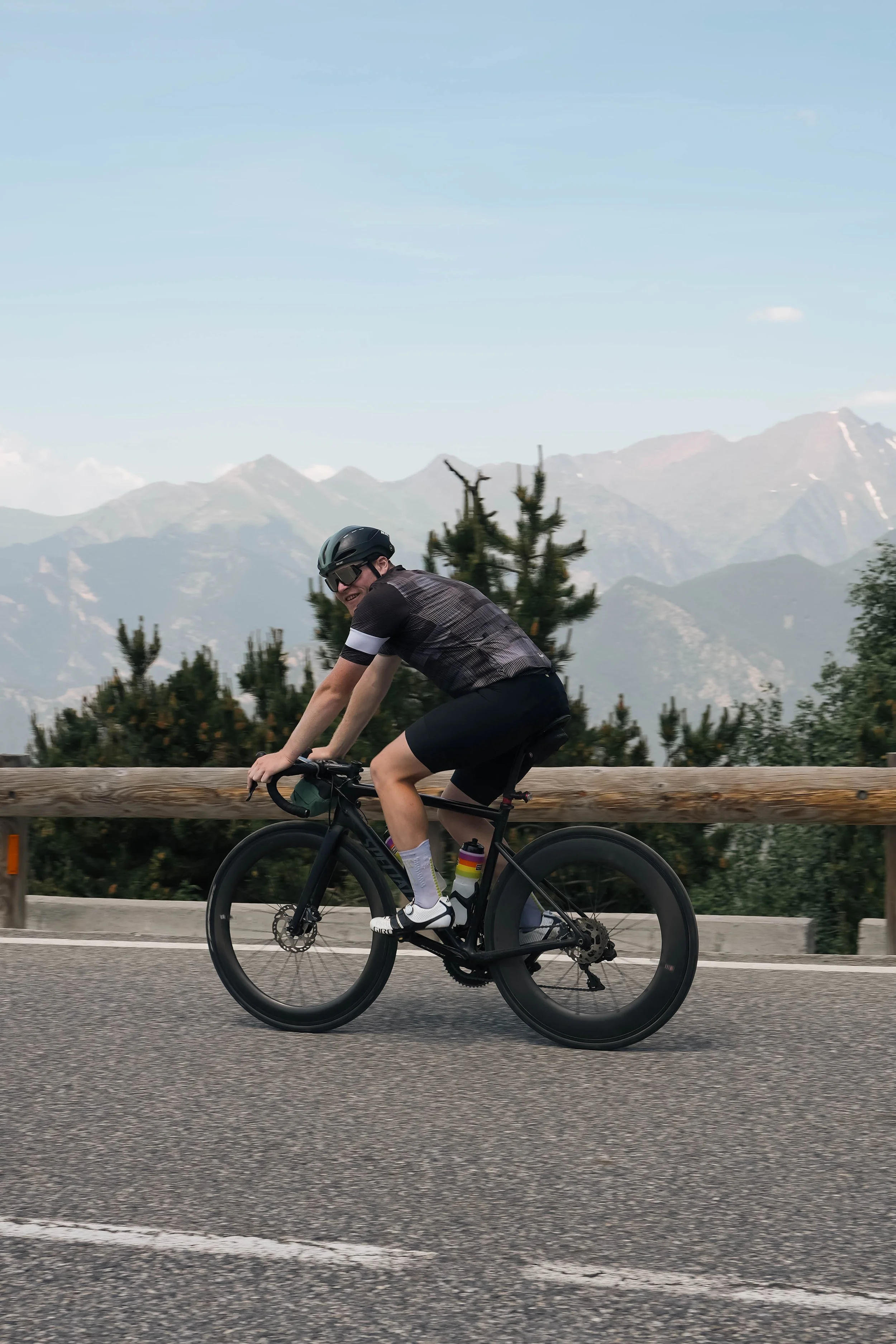
A road bike is the traditional style of bike most cyclists use.
Designed for versatility, comfort, and handling, road bikes are ideal for:
Group riding
Climbing
Training
General fitness
Triathlon beginners
Road bikes feature:
Drop handlebars
Easier braking access
Better handling and stability
More comfortable positioning
For beginners:
A road bike is often the easiest and smartest place to start.
What Is a TT Bike?
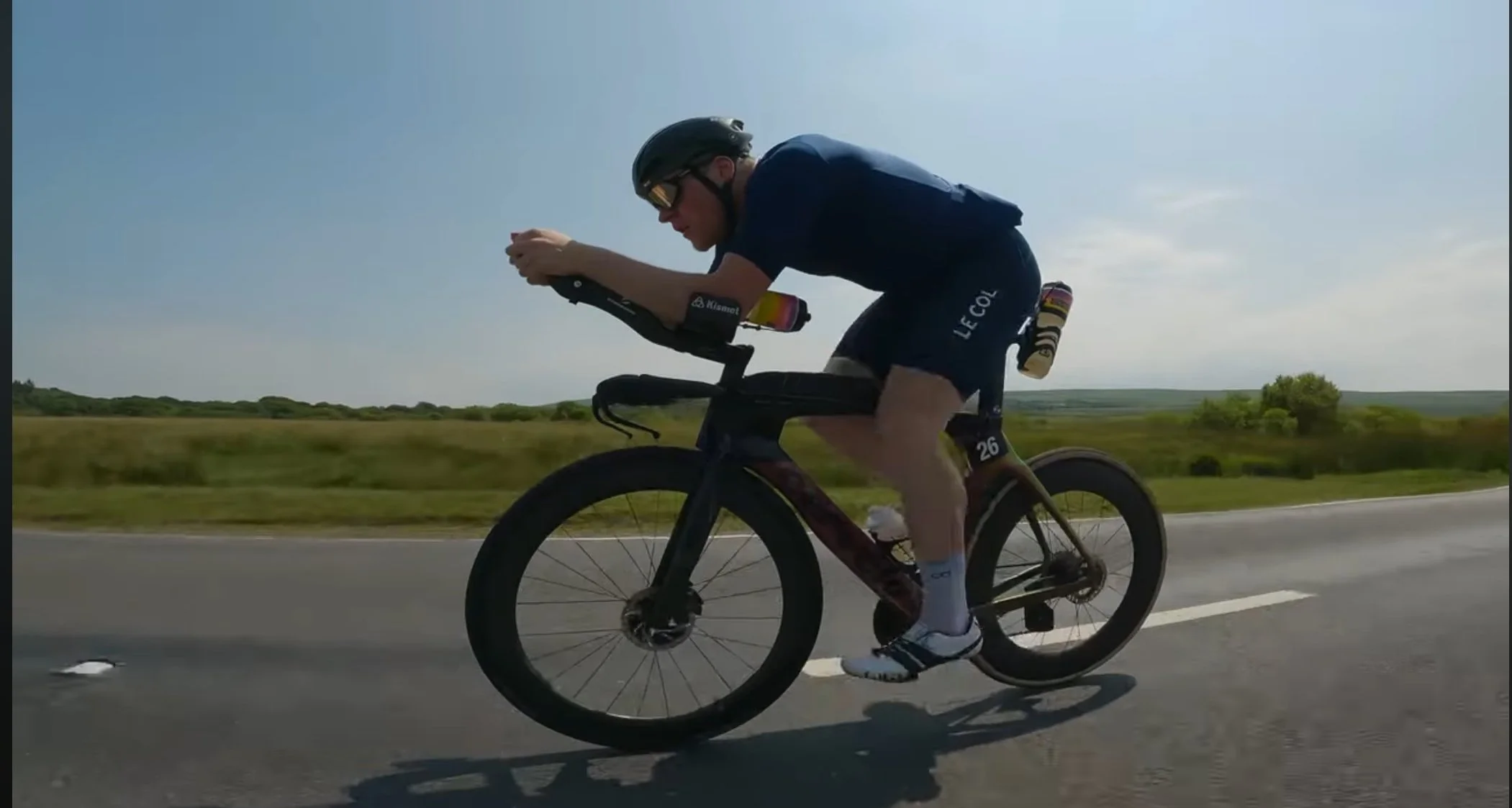
A TT bike (Time Trial Bike) is specifically designed for speed and aerodynamics.
TT bikes are commonly used in:
Ironman racing
Time trials
Non-drafting triathlon events
Key features include:
Aero bars
More aggressive position
Aerodynamic frame geometry
Greater straight-line speed
The purpose:
Reduce drag and save energy over long distances.
However:
TT bikes also require more skill and confidence to ride well.
The Biggest Myth: “I Need a TT Bike to Do Triathlon”
This is one of the biggest misconceptions in the sport.
You do not need a TT bike for:
Sprint Triathlon
Olympic Distance
Your First 70.3
Your First Ironman
Many athletes successfully complete triathlons on:
Road bikes
Entry-level bikes
Older bikes
Hybrid bikes
Fitness matters far more than equipment.
At Frederick Webb Triathlon, many beginner athletes perform brilliantly without expensive setups.
Why a Road Bike Is Often Better for Beginners
For most first-time triathletes:
Road bike wins.
Here is why.
1. Easier Handling
Road bikes are easier to control.
Benefits include:
Better cornering
More confidence descending
Faster braking access
Safer riding in traffic
TT bikes feel very different.
The aero position takes practice and confidence.
For beginners:
Feeling safe and comfortable matters more than aerodynamics.
2. Better for Training
Most beginner triathletes spend the majority of time:
Training—not racing.
Road bikes are better suited for:
Group rides
Club rides
Hills
Daily riding
TT bikes are less practical for general use.
Many experienced triathletes still own a road bike for most training.
3. Lower Cost
TT bikes can be expensive.
A good TT setup often includes:
Aero bike
Aero helmet
Bike fit
Hydration system
Costs can quickly become significant.
A road bike gives beginners:
Excellent value for money.
You can race confidently without overspending.
4. More Comfortable Position
Comfort matters hugely in triathlon.
Especially for beginners.
Road bikes allow:
More relaxed positioning
Less pressure on neck and back
Easier adaptation
A TT bike position can feel aggressive initially.
Without proper fitting, discomfort often becomes a problem.
When Does a TT Bike Make Sense?
There comes a point when a TT bike may become worthwhile.
You may consider upgrading if:
You Love Triathlon
You know the sport is long term.
You Race Longer Distances
Especially:
Half Ironman
Full Ironman
You Want Performance Gains
Aerodynamics matter more at longer distances.
You Are Comfortable Riding
Confidence matters first.
At Frederick Webb Triathlon, athletes are often advised to build skill first—then consider upgrades later.
Can You Make a Road Bike More Triathlon-Friendly?
Yes.
One of the smartest beginner setups is:
Road Bike + Clip-On Aero Bars
Benefits:
More aerodynamic position
Lower cost than TT bike
Familiar handling remains
This gives many athletes the best of both worlds.
However:
Always practise handling before racing.
What About Speed?
This is the big question.
Yes:
TT bikes are generally faster.
Over long distances, they can save:
Time
Energy
Muscular fatigue
But here is the important part:
For beginners:
Fitness creates bigger gains than equipment.
Improving:
Bike fitness
Pacing
Aerodynamics through position
Will often outperform expensive upgrades.
A strong athlete on a road bike usually beats an undertrained athlete on a TT bike.
Bike Fit Matters More Than Bike Type
One of the biggest mistakes beginners make:
Buying expensive equipment before getting comfortable.
A proper bike fit often matters more than bike choice.
Good positioning improves:
Comfort
Efficiency
Injury prevention
Confidence
Whether road or TT:
Comfort first.
Always.
Common Beginner Bike Mistakes
Buying an Expensive TT Bike Too Soon
Before knowing if triathlon suits you.
Choosing Speed Over Comfort
Discomfort destroys confidence.
Ignoring Bike Handling Skills
Confidence matters hugely.
Comparing Yourself to Others
Everyone progresses differently.
Remember:
You are building experience.
Not chasing perfection.
Road Bike vs TT Bike: Quick Comparison
Feature Road Bike TT Bike
Beginner Friendly ✅ Yes ❌ More advanced
Comfort ✅ Higher ⚠️ Lower initially
Handling ✅ Easier ⚠️ Harder
Cost ✅ Lower ❌ Higher
Aerodynamics ⚠️ Moderate. ✅ Better
Daily Training ✅ Excellent. ⚠️ Less versatile
Ironman Racing ✅ Possible ✅ Ideal
Why Coaching Helps You Make Smarter Equipment Decisions
Many triathletes waste money unnecessarily.
Frederick Webb Triathlon helps athletes understand:
What gear actually matters
When upgrades are worthwhile
Bike setup advice
Positioning guidance
Training priorities
The goal:
Spend smarter—not more.
Because confidence and fitness matter most.
Final Thoughts
If you are a beginner triathlete wondering whether to choose a road bike or TT bike, here is the simple answer:
Start with a road bike.
For most athletes:
It is:
More affordable
Easier to ride
More versatile
Better for learning confidence
A TT bike may come later if your goals evolve.
At Frederick Webb Triathlon, athletes are coached to focus on the things that truly improve performance:
Consistency, confidence, smart training, and enjoyment of the sport.
Because the best bike is the one that gets you training consistently—and smiling on race day.
How Many Hours Per Week Do You Need to Train for Triathlon?
Learn how many hours per week you really need to train for triathlon, from sprint races to Ironman, with expert advice from Frederick Webb Triathlon.
One of the most common questions beginner and experienced athletes ask is:
“How many hours per week do I actually need to train for triathlon?”
The answer is reassuring for many athletes:
Probably less than you think.
You do not need to train like a professional athlete to successfully complete a triathlon, improve performance, or even prepare for an Ironman. The right amount of training depends on your goals, experience, lifestyle, and race distance.
At Frederick Webb Triathlon, coaching focuses on helping athletes train smarter—not simply longer. The aim is to maximise performance while balancing work, family life, recovery, and long-term progression.
If you are wondering how much training you really need, this guide will break it down by race distance and ability level.
The Biggest Myth About Triathlon Training
One of the biggest misconceptions in triathlon is:
“More hours always equals better results.”
In reality, training quality matters more than endless volume.
Many athletes struggle because they:
Train too much
Recover too little
Follow unrealistic plans
Burn out quickly
The best triathlon training programmes balance:
Endurance
Recovery
Strength work
Lifestyle demands
Consistency
For most athletes:
Consistent smart training beats inconsistent massive training weeks.
Training Hours for Sprint Triathlon
A sprint triathlon usually consists of:
750m swim
20km bike
5km run
For beginners, sprint triathlon training is very achievable.
Beginner Sprint Triathlon
4–6 hours per week
Example schedule:
2 swims
2 bike sessions
2 runs
1 short strength session
This is enough for many athletes to complete their first race confidently.
Intermediate Sprint Athlete
5–7 hours per week
More structured sessions can help improve speed and performance.
You do not need huge volume for sprint racing.
Quality matters.
Training Hours for Olympic Distance Triathlon
Olympic distance racing includes:
1.5km swim
40km bike
10km run
Because of the longer duration, slightly more training is required.
Beginner Olympic Distance
5–8 hours per week
Focus areas:
Endurance development
Swim confidence
Consistent running
Intermediate Olympic Athlete
7–10 hours per week
Training often becomes more structured with:
Brick sessions
Threshold efforts
Longer bike rides
Again:
You still do not need professional-level training hours.
Training Hours for Half Ironman (70.3)
A 70.3 requires:
1.9km swim
90km bike
21.1km run
This distance needs more endurance preparation.
Beginner 70.3 Athlete
7–10 hours per week
Focus includes:
Longer endurance rides
Nutrition practice
Brick sessions
Intermediate Athlete
9–12 hours per week
Athletes targeting stronger performance may require additional specificity.
The goal remains sustainable consistency.
Training Hours for Full Ironman
An Ironman consists of:
3.8km swim
180km bike
42.2km marathon
This distance requires proper planning and gradual progression.
First-Time Ironman Athlete
8–12 hours per week
Peak training periods may occasionally reach:
12–15+ hours
But this should be built progressively.
Many beginners make the mistake of jumping into huge training loads too early.
Competitive Ironman Athlete
12–16+ hours per week
Athletes targeting Age Group qualification or major performance goals often require more structured training.
However:
More hours only work if recovery supports them.
Your Lifestyle Matters More Than You Think
One of the biggest mistakes athletes make is trying to copy elite training plans.
Professional athletes:
Recover between sessions
Sleep more
Train full time
Most age-group athletes balance:
Work
Family commitments
Stress
Travel
This changes recovery capacity significantly.
At Frederick Webb Triathlon, plans are designed around:
Real life.
Because the best training plan is the one you can consistently follow.
Training Quality Beats Training Quantity
You do not need endless hours if training is structured properly.
A good training week should include:
Key Sessions
Your most important workouts.
Recovery
Where fitness gains actually happen.
Strength and Conditioning
For durability and injury prevention.
Easy Endurance
Building aerobic fitness.
Many athletes improve more by training smarter than simply training longer.
Strength and Conditioning Saves Time
One overlooked way to improve performance is strength training.
Benefits include:
Injury prevention
Better running economy
Increased bike power
Improved posture and resilience
Even:
1–2 short sessions per week
Can make a major difference.
Frederick Webb Triathlon integrates strength work into programmes to help athletes maximise performance without unnecessary volume.
Signs You Are Training Too Much
Sometimes more training becomes counterproductive.
Warning signs include:
Constant fatigue
Poor sleep
Reduced motivation
Heavy legs every session
Declining performance
If this sounds familiar:
You may need more recovery—not more training.
Consistency over months matters far more than occasional huge weeks.
Example Weekly Training Hours by Goal
First Sprint Triathlon
4–6 hours
Improve Fitness
5–7 hours
Olympic Distance
6–9 hours
Half Ironman
7–12 hours
Full Ironman
8–15+ hours
These are general ranges.
Everyone responds differently.
Why Coaching Helps You Train Efficiently
One of the biggest challenges in triathlon is knowing:
How much is enough?
Many athletes either:
Undertrain
Overtrain
Follow unrealistic plans
Frederick Webb Triathlon provides:
Personalised training plans
Time-efficient programming
Recovery management
Strength and conditioning integration
Ongoing support and adjustments
This helps athletes maximise results while fitting training around real life.
Final Thoughts
The right number of triathlon training hours depends on your goals, experience, and lifestyle.
But here is the truth:
You do not need huge training hours to become a successful triathlete.
What matters most is:
Consistency
Smart programming
Recovery
Structured progression
At Frederick Webb Triathlon, athletes are coached to train efficiently, avoid burnout, and improve performance without unnecessary volume.
Because smarter training almost always beats simply training more.
The Biggest Beginner Triathlon Mistakes (And How to Avoid Them)
New to triathlon? Learn the biggest beginner triathlon mistakes and how to avoid them with expert coaching advice from Frederick Webb Triathlon.
Starting triathlon is exciting. Whether you are training for your first sprint triathlon, aiming to improve fitness, or simply looking for a new challenge, triathlon can quickly become addictive. But like any sport, beginners often make avoidable mistakes that can lead to frustration, injury, poor race experiences, or burnout.
The good news?
Most beginner triathlon mistakes are completely avoidable with the right structure and mindset.
At Frederick Webb Triathlon, beginner athletes are coached to train smarter, build confidence, and enjoy the process without becoming overwhelmed.
If you are new to triathlon, here are the biggest beginner mistakes—and exactly how to avoid them.
Mistake 1: Doing Too Much, Too Soon
One of the biggest mistakes beginner triathletes make is trying to train like experienced athletes immediately.
You start following elite athletes online, see huge training weeks, and suddenly think:
“I need to train every day.”
This often leads to:
Fatigue
Injury
Loss of motivation
Burnout
The reality is:
Consistency beats intensity.
Beginners improve fastest through sustainable progression.
Instead of doing massive training weeks, focus on:
Regular swim sessions
Consistent bike rides
Steady running
Recovery days
A simple, balanced programme always beats random hard training.
Mistake 2: Ignoring Swim Technique
Swimming is usually the most intimidating discipline for beginners.
Many athletes try to improve simply by swimming harder.
Unfortunately:
Poor technique + more distance = poor technique for longer.
Swimming efficiency matters far more than brute fitness early on.
Common swim mistakes include:
Holding breath
Swimming too tense
Poor body position
Fighting the water
The solution?
Focus on:
Breathing rhythm
Relaxation
Technique drills
Consistency
At Frederick Webb Triathlon, beginner swimmers focus on confidence and efficiency before speed.
Mistake 3: Spending Too Much Money on Equipment
Triathlon can seem expensive.
Many beginners believe they need:
Expensive bikes
Carbon wheels
Aero helmets
Premium race kit
The truth:
You do not need fancy gear to complete your first triathlon.
For most beginners:
A safe bike, comfortable running shoes, swim kit, and helmet are enough.
Fitness matters far more than expensive equipment.
Start simple.
Upgrade later if you enjoy the sport.
Mistake 4: Running Too Hard Every Session
Running feels simple, so beginners often push every session hard.
This is one of the fastest ways to get injured.
Most triathlon running should feel:
Comfortably easy.
Easy running improves:
Aerobic fitness
Recovery
Endurance
Consistency
Hard sessions should be used strategically—not every day.
The biggest gains usually come from consistent, manageable training.
Mistake 5: Neglecting Recovery
Many beginners believe rest equals laziness.
In reality:
Recovery is part of training.
Skipping recovery often leads to:
Poor motivation
Injury
Fatigue
Reduced performance
Recovery should include:
Sleep
Aim for quality sleep consistently.
Easier Sessions
Not every workout should feel difficult.
Rest Days
Essential for long-term progress.
Frederick Webb Triathlon programmes recovery deliberately to help athletes improve safely.
Mistake 6: Avoiding Brick Sessions
One surprise for beginner triathletes:
Running after cycling feels strange.
Very strange.
Your legs may feel heavy or awkward at first.
This is normal.
That is why brick training matters.
A brick session simply means:
Bike → Run
Example:
30-minute ride
Immediately followed by:
10–15 minute run
Benefits include:
Better race confidence
Improved pacing
Reduced race-day shock
Practising transitions between disciplines builds confidence quickly.
Mistake 7: Poor Race-Day Pacing
Beginner triathletes often make the same mistake:
Starting too fast.
Excitement and adrenaline can cause athletes to:
Swim too hard
Ride aggressively
Blow up on the run
Instead:
Start controlled.
A good beginner pacing strategy:
Swim
Steady and calm.
Bike
Comfortable effort.
Run
Gradually build effort if you feel strong.
Remember:
Finishing strong feels much better than surviving the final kilometres.
Mistake 8: Skipping Open Water Practice
If your triathlon includes open water, pool swimming alone is not enough.
Open water feels different because of:
Cold temperatures
Crowds
No lane lines
Reduced visibility
Beginners often panic simply because conditions feel unfamiliar.
Open water practice builds:
Confidence
Navigation skills
Calmness
The more familiar it feels, the easier race day becomes.
Mistake 9: Comparing Yourself to Others
Social media makes comparison easy.
You see experienced triathletes:
Training huge hours
Riding expensive bikes
Posting fast times
And suddenly feel behind.
Remember:
Everyone starts somewhere.
Focus on:
Your progress
Your consistency
Your confidence
Your first triathlon is about learning—not perfection.
Progress matters more than comparison.
Mistake 10: Overcomplicating Everything
Beginners often become overwhelmed by:
Nutrition plans
Training zones
Equipment choices
Data tracking
You do not need to master everything immediately.
Keep it simple:
Train consistently
Recover properly
Build confidence
Enjoy the process
The basics work.
Why Coaching Helps Beginners Avoid Mistakes
Triathlon can feel overwhelming at first.
Many beginners struggle with:
Knowing how much to train
Swim confidence
Race preparation
Avoiding injury
Building consistency
Frederick Webb Triathlon provides:
Beginner-friendly coaching plans
Swim, bike, and run guidance
Strength and conditioning support
Race-day confidence strategies
Personalised training around busy lifestyles
Coaching removes guesswork and helps beginners progress with confidence.
Final Thoughts
Every triathlete makes mistakes—but avoiding the biggest beginner errors can make your first race far more enjoyable.
Success in triathlon is not about perfection.
It comes from:
Consistency
Smart pacing
Recovery
Confidence
Patience
At Frederick Webb Triathlon, beginner athletes are coached to train smarter, avoid overwhelm, and build long-term confidence in the sport.
Because the goal is not just finishing one race — It is enjoying the journey and becoming a stronger athlete along the way.
How to Train for Your First Sprint Triathlon: A Beginner’s Guide to Race Day Success
Training for your first sprint triathlon? Learn how to build swim, bike, and run confidence with beginner-friendly training advice from Frederick Webb Triathlon.
Taking on your first sprint triathlon is one of the most exciting challenges in endurance sport. Combining swimming, cycling, and running into one event can feel intimidating at first, but with the right structure and coaching, it becomes an incredibly rewarding goal.
A sprint triathlon is the perfect entry point into the sport, typically consisting of:
750m swim
20km bike
5km run
It is challenging enough to feel like a major achievement but manageable for beginners with the right preparation.
At Frederick Webb Triathlon, athletes are coached through every stage of their first race, helping beginners train confidently, avoid common mistakes, and enjoy the process.
If you are wondering how to train for your first sprint triathlon, this guide will walk you through everything you need to know.
Start With the Right Mindset
The first thing to understand is this:
You do not need to be an elite athlete to complete a sprint triathlon.
Many first-time triathletes begin with:
Little swimming experience
Average fitness levels
Busy work schedules
Limited confidence
The key to success is consistency—not perfection.
Your first sprint triathlon is about learning, gaining confidence, and crossing the finish line feeling proud.
Avoid comparing yourself to experienced athletes. Everyone starts somewhere.
Give Yourself Enough Time to Train
For most beginners, a good preparation period is around:
8–12 weeks
This provides enough time to:
Build endurance safely
Improve confidence
Practise transitions
Reduce injury risk
Trying to rush preparation often leads to fatigue or inconsistent training.
At Frederick Webb Triathlon, beginner plans are designed to progress steadily and fit around busy lifestyles.
Build a Balanced Weekly Schedule
A sprint triathlon requires training across all three disciplines.
Most beginners do well with:
2 Swim Sessions
Focus on confidence and technique.
2–3 Bike Sessions
Build endurance and bike handling skills.
2–3 Run Sessions
Develop fitness gradually.
1 Strength Session
Improve durability and reduce injury risk.
1 Recovery Day
Essential for progress.
The goal is balance—not maximum training hours.
Even 5–7 hours per week can be enough for many beginners.
Focus on Swim Confidence First
For many new triathletes, swimming feels like the hardest part.
This is completely normal.
Swimming can feel technical and intimidating, especially if open water is involved.
The good news:
Technique matters more than fitness early on.
Key swim focuses include:
Relaxed breathing
Comfortable pacing
Body position in the water
Consistent rhythm
Avoid trying to swim too fast.
Instead, aim to become comfortable and efficient.
Example beginner swim session:
Warm-Up: 200m easy swim
Main Set: 6 x 100m steady pace
Cool Down: 100m easy
If your race includes open water, practise outdoors whenever possible.
Frederick Webb Triathlon also supports athletes with swim confidence and technique coaching.
Build Bike Confidence and Endurance
The bike section is usually the longest part of a sprint triathlon.
Fortunately, it is also one of the easiest areas to improve quickly.
You do not need an expensive bike to begin.
A road bike, hybrid, or entry-level bike works perfectly.
Key bike goals include:
Feeling comfortable riding for 45–60 minutes
Practising steady pacing
Building confidence with gears and handling
Example bike session:
45-minute steady ride
Include:
Easy endurance riding
Small periods of harder effort
Comfortable cadence work
Focus on consistency rather than speed.
Gradually Improve Your Running
Many beginners believe they need to run hard every session.
This often leads to injury or burnout.
The goal for sprint triathlon is sustainable fitness.
A simple weekly structure may include:
Easy Run
20–40 minutes conversational pace.
Speed Session
Short intervals for fitness.
Example:
6 x 2 minutes faster effort
With easy recovery.
Brick Run
A short run immediately after cycling.
Example:
30-minute bike + 10-minute run
Brick training helps your legs adapt to running after cycling.
The first few attempts feel strange—but this is completely normal.
Practise Transitions
One of the easiest ways to reduce race-day stress is transition practice.
Transitions are simply:
Swim to bike (T1)
Bike to run (T2)
Beginners often overlook this.
Simple transition practice includes:
Laying equipment out neatly
Practising putting on shoes and helmet quickly
Running with your bike
You do not need to rush.
Efficiency comes naturally with repetition.
Include Strength and Conditioning
Strength training is often overlooked by beginners but can massively improve performance.
Benefits include:
Reduced injury risk
Improved posture
Better endurance
Greater confidence
Simple exercises include:
Squats
Lunges
Core work
Glute strengthening
Mobility exercises
At Frederick Webb Triathlon, strength work is integrated into coaching plans to support long-term development.
Practise Nutrition and Hydration
Sprint triathlons require less fuelling than longer races, but nutrition still matters.
Key tips:
Before Training
Eat something light and familiar.
During Longer Sessions
Hydration is usually enough for shorter workouts.
Race Morning
Never try new foods.
Stick with familiar breakfast choices.
Simple, consistent fuelling works best.
Taper Before Race Day
In the final week:
Do less, not more.
Many beginners panic and train excessively before racing.
Instead:
Reduce training volume
Keep sessions light
Stay fresh and rested
Fitness is already built by this point.
Race week is about confidence and recovery.
Race Day Tips for First-Time Sprint Triathletes
Start Calm
Do not sprint the swim.
Pace Yourself
Steady effort wins.
Stay Positive
Something may not go perfectly—and that is fine.
Enjoy the Experience
Your first triathlon is a huge milestone.
Remember:
You only get one first sprint triathlon.
Take it in.
Why Coaching Helps First-Time Triathletes
Training for your first race can feel overwhelming.
Many beginners struggle with:
Knowing how much to train
Building confidence in swimming
Avoiding injury
Balancing life and training
Frederick Webb Triathlon provides:
Personalised beginner training plans
Swim, bike, and run guidance
Strength and conditioning support
Race-day preparation advice
Ongoing coaching and accountability
This helps beginners train smarter and feel confident heading into race day.
Final Thoughts
Training for your first sprint triathlon may feel intimidating at first, but with structure, patience, and consistency, it is absolutely achievable.
The goal is not perfection.
The goal is progress.
Focus on:
Building confidence
Staying consistent
Enjoying training
Learning along the way
At Frederick Webb Triathlon, beginner athletes are coached to feel prepared, supported, and excited for race day success.
Your first sprint triathlon could be the start of something much bigger.