

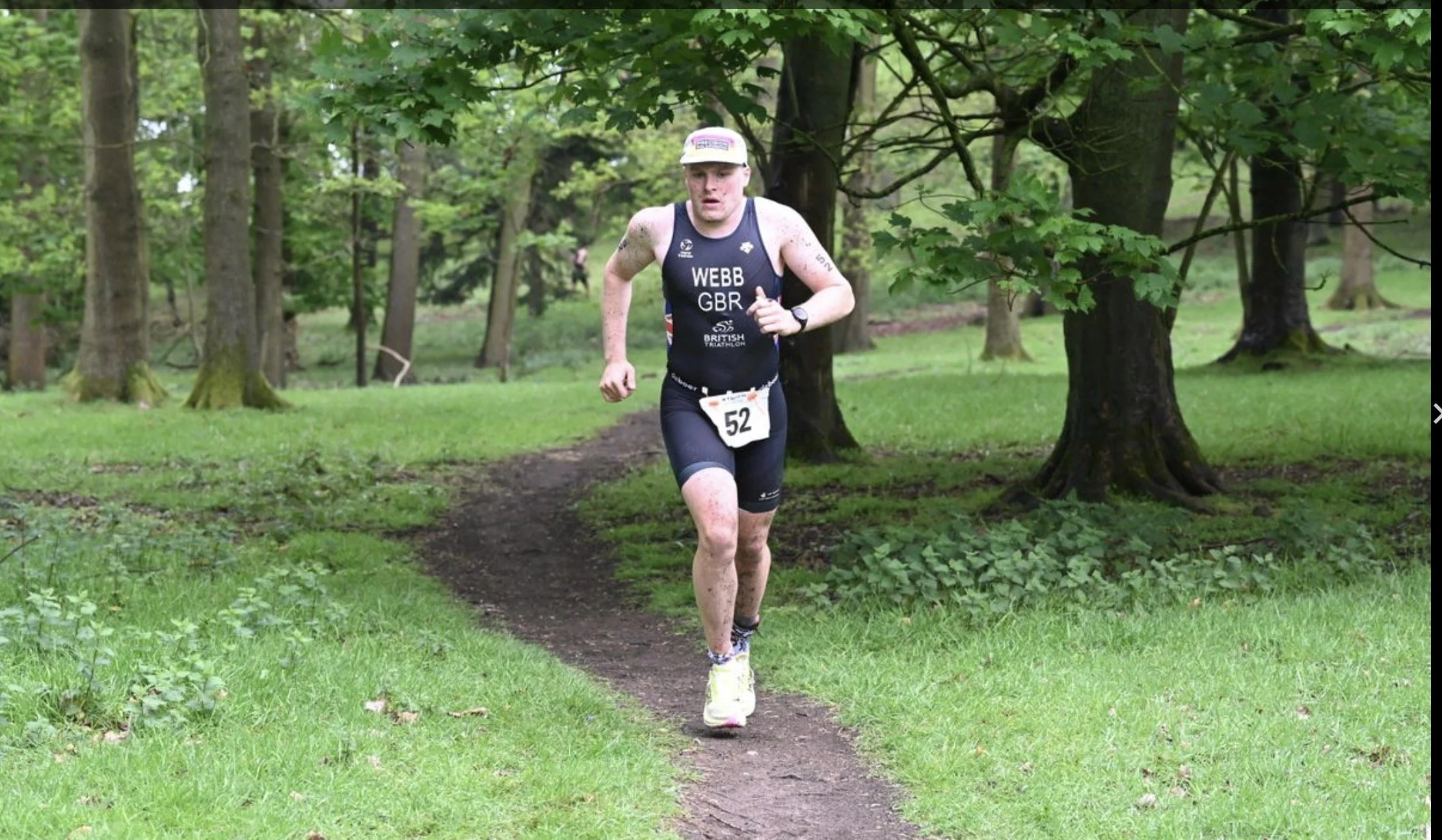
Most Triathletes Train Too Hard — And That’s Why They Stay Slow
If you're training harder than ever but not getting faster, you may be making the most common mistake in triathlon. Discover why most triathletes train too hard and how smarter training produces better results.
It sounds completely backwards.
Surely the athletes who train hardest should be the fastest?
More effort.
More suffering.
More intensity.
More results.
Right?
Not necessarily.
In fact, one of the most common mistakes in triathlon is training too hard, too often.
And the frustrating reality is that many athletes spend years working incredibly hard while making very little progress.
At Frederick Webb Triathlon, one of the first things we often notice when reviewing an athlete's training is not a lack of effort.
It's the opposite.
They're trying too hard.
The irony is that the athletes who improve the most are rarely the athletes who train the hardest every day.
They're usually the athletes who train the smartest.
The Problem: Everything Becomes "Moderately Hard"
Ask most triathletes how their sessions feel and you'll often hear:
"Pretty hard."
"Solid effort."
"Comfortably uncomfortable."
"I pushed the pace a bit."
That sounds productive.
But it creates a huge problem.
Instead of having truly easy days and truly hard days, many athletes spend most of their training in the middle.
Not easy enough to recover.
Not hard enough to create significant adaptation.
Sports scientists often refer to this as the:
Grey Zone
Or
Moderate Intensity Trap
It's where many triathletes live.
And it's where progress often stalls.
Why Easy Training Feels Wrong
One reason athletes train too hard is psychological.
Easy sessions can feel unproductive.
When you're running slowly or spinning easily on the bike, it can feel like you're losing fitness.
You see another athlete on Strava posting:
Faster paces
Bigger power numbers
Hard intervals
And suddenly your easy session feels inadequate.
But endurance performance doesn't improve because every session is hard.
It improves because your body adapts to the right amount of stress.
Recovery is where adaptation happens.
Not during the workout itself.
The World's Best Endurance Athletes Train Easy
This surprises many age-group athletes.
Elite endurance athletes spend a large percentage of their training at relatively low intensity.
Why?
Because easy aerobic training develops:
Aerobic capacity
Fat utilisation
Recovery ability
Muscular endurance
Training consistency
Without creating excessive fatigue.
They save their hardest efforts for sessions that actually matter.
Many age-group triathletes do the opposite.
They turn every workout into a test.
The Hidden Cost of Training Too Hard
When intensity becomes excessive, several things happen.
Recovery Suffers
You start each session carrying fatigue from the previous one.
Performance declines.
Training quality drops.
Injury Risk Increases
Tired athletes move poorly.
Small niggles become injuries.
Consistency disappears.
Key Sessions Lose Quality
If you're exhausted all week, you cannot execute your most important workouts properly.
Motivation Drops
Constant fatigue eventually becomes mentally draining.
Training starts feeling like survival rather than progression.
Why Zone 2 Training Matters
One of the most misunderstood concepts in triathlon is Zone 2 training.
Many athletes dismiss it as:
"Too easy."
Yet Zone 2 is where much of your aerobic foundation is built.
Benefits include:
✔ Improved aerobic efficiency
✔ Better fat metabolism
✔ Greater endurance capacity
✔ Faster recovery between hard efforts
✔ Improved race durability
The stronger your aerobic base becomes, the higher your performance ceiling rises.
Think of it like building a house.
Intensity is the roof.
Aerobic fitness is the foundation.
A weak foundation limits everything above it.
More Intensity Is Not the Answer
When athletes stop improving, they often make the same mistake.
They add more intensity.
More intervals.
More hard rides.
More threshold work.
More suffering.
But if fatigue is already limiting adaptation, adding more stress usually makes the problem worse.
The solution is often:
Better recovery and better distribution of intensity.
Not more punishment.
The Best Athletes Master Restraint
One trait shared by successful triathletes is discipline.
Not just during hard sessions.
During easy sessions too.
Anyone can push harder.
The challenge is holding back when holding back is the smartest thing to do.
Great athletes understand:
Easy days create the opportunity for great hard days.
And great hard days create fitness.
Signs You're Training Too Hard
Many athletes don't realise they're stuck in this cycle.
Common warning signs include:
Constant tiredness
Heavy legs every day
Poor sleep quality
Elevated resting heart rate
Declining performance
Frequent illness
Loss of motivation
Persistent niggles
If every session feels hard, that's often a sign something is wrong.
Not something is right.
What Smarter Training Looks Like
Smarter triathlon training usually follows a simple principle:
Easy Days Easy
Easy swims.
Easy rides.
Easy runs.
True recovery pace.
Hard Days Hard
Focused interval sessions.
Race-specific efforts.
Quality over quantity.
Consistent Recovery
Sleep.
Nutrition.
Mobility.
Strength work.
All supporting adaptation.
The result?
Better long-term progression.
Why Coaching Helps
One reason athletes struggle with intensity control is emotional decision-making.
Left alone, many triathletes train based on how motivated they feel that day.
Coaching removes that guesswork.
A structured plan helps ensure:
Easy sessions stay easy
Hard sessions have purpose
Recovery is prioritised
Training load progresses appropriately
The goal is not to maximise today's workout.
The goal is to maximise next season's performance.
The Biggest Lesson
The fastest triathletes are not usually the athletes who win Tuesday's training session.
They're the athletes who are still improving six months later.
Consistency beats hero workouts.
Recovery beats exhaustion.
Smart training beats hard training.
Every time.
Final Thoughts
If you've been training harder than ever but not seeing the results you want, it may not be a fitness problem.
It may be a training problem.
Many triathletes stay stuck because they spend too much time in the middle:
Too hard to recover.
Too easy to maximise adaptation.
The athletes who improve most are usually the ones who:
✔ Respect recovery
✔ Build a strong aerobic base
✔ Keep easy days easy
✔ Make hard sessions count
✔ Stay consistent for months and years
Training harder is not always the answer.
Training smarter usually is.
At Frederick Webb Triathlon, we help athletes balance training intensity, recovery, and long-term progression to maximise performance across sprint, Olympic, 70.3, and Ironman racing.
Want a triathlon training plan built around smarter training, not just harder training? Get in touch with Frederick Webb Triathlon and start unlocking your real potential.