

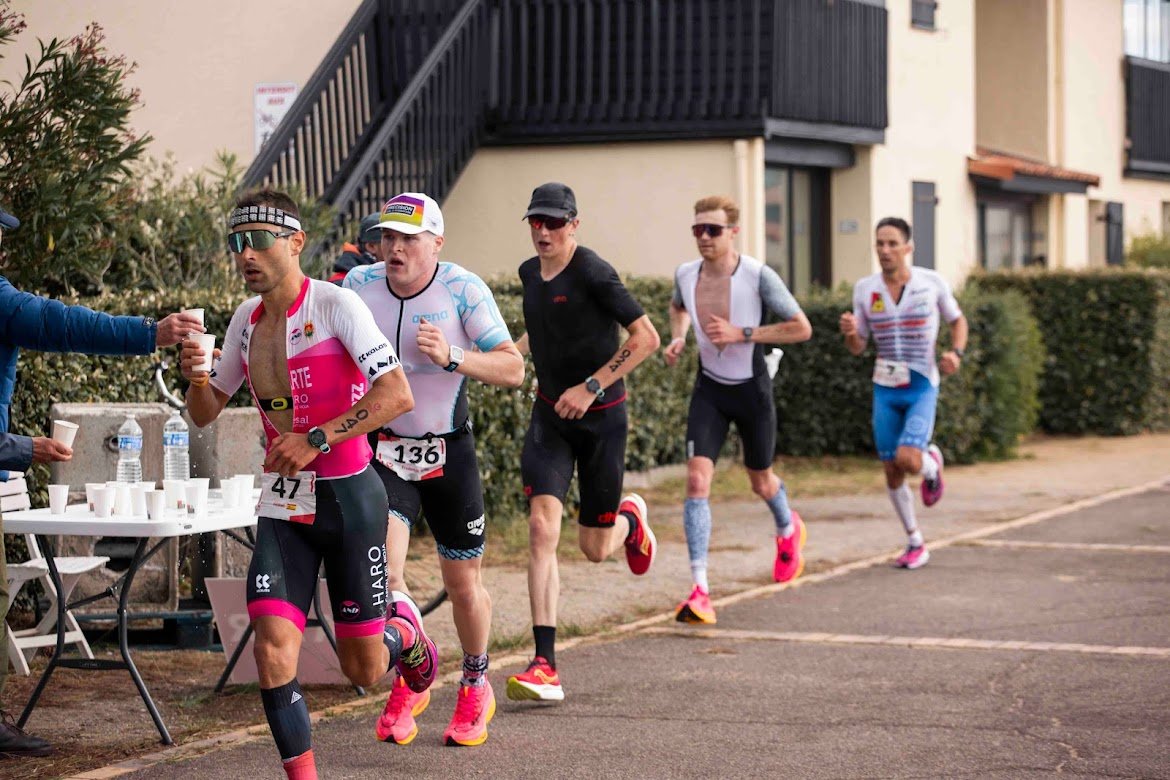
How to Balance Ironman Training With Family and Work: A Realistic Guide for Busy Athletes
Wondering how to balance Ironman training with family and work? Learn practical strategies for time management, recovery, and sustainable success from Frederick Webb Triathlon.
Training for an Ironman is a huge commitment. Between the 3.8km swim, 180km bike, and marathon run, preparation can easily feel overwhelming—especially when you are balancing a full-time job, family responsibilities, social commitments, and everyday life.
One of the biggest myths in endurance sport is that you need endless free time to train for an Ironman.
The truth?
Most successful Ironman athletes are not professional athletes—they are busy people balancing careers, partners, children, and real life.
At Frederick Webb Triathlon, coaching is designed around real-world schedules. Because the best Ironman plan is not the one with the most hours—it is the one you can consistently stick to without sacrificing your health, family, or motivation.
If you are wondering how to balance Ironman training with family and work, this guide will help you train smarter, reduce stress, and make Ironman achievable.
Accept This First: You Cannot Do Everything Perfectly
One of the biggest reasons athletes feel overwhelmed is unrealistic expectations.
Many people try to:
Train like professionals
Work full-time
Be fully present at home
Sleep perfectly
Never miss a session
Reality does not work like that.
Sometimes training will go well.
Sometimes work gets hectic.
Sometimes family comes first.
That is normal.
Successful Ironman athletes focus on:
Consistency over perfection.
Missing one session is not failure.
Burning yourself out trying to do everything often is.
Prioritise Key Sessions (Not Every Session)
When time is limited, every session matters.
Instead of trying to fit everything in, focus on the highest-value workouts.
For Ironman athletes, key sessions usually include:
Long Ride
The foundation of Ironman success.
Long Run
Builds durability and confidence.
Key Swim Session
Improves efficiency and confidence.
Brick Session
Prepares the body for race-day fatigue.
Everything else supports these sessions.
If life gets busy:
Protect the key workouts first.
At Frederick Webb Triathlon, programmes are designed around training priorities so busy athletes still make progress.
Plan Training Around Your Life—Not Against It
Many athletes make the mistake of trying to squeeze life around training.
This quickly creates stress.
Instead:
Build training around:
Work schedule
Family commitments
School runs
Holidays
Busy periods
Example:
Early Morning Sessions
Ideal before work.
Lunch Break Workouts
Short runs or strength sessions.
Weekend Long Rides
Planned collaboratively with family.
Flexibility creates sustainability.
Communicate With Your Family
One of the most overlooked parts of Ironman success:
Communication.
Ironman training affects more than just you.
Talk openly with:
Your partner
Children
Family members
Explain:
Why this goal matters
What training may involve
When support will help
Most problems happen when training feels unpredictable or disruptive.
A shared plan creates better balance.
At Frederick Webb Triathlon, athletes are encouraged to build sustainable routines that work alongside family life.
Train Smarter, Not Just Longer
You do not need professional-level training hours to complete an Ironman.
For many age-group athletes:
8–12 hours per week is enough.
The key is structured training.
Instead of endless junk miles:
Focus on:
Specific sessions
Quality endurance work
Recovery
Consistency
A well-structured 9-hour week often beats a chaotic 15-hour week.
Smart training wins.
Learn the Power of Short Sessions
Busy athletes often assume:
“If I only have 30–45 minutes, there is no point training.”
Completely false.
Short sessions can be highly effective.
Examples:
40-Minute Turbo Session
Excellent bike fitness.
30-Minute Easy Run
Maintains consistency.
20-Minute Strength Session
Builds resilience.
Swim Technique Session
Improves efficiency.
Small sessions add up massively over time.
Consistency matters far more than occasional huge workouts.
Protect Recovery Like Training
One of the fastest ways to fail at balancing Ironman training:
Ignoring recovery.
Busy athletes already carry stress from:
Work pressure
Parenting
Life responsibilities
Add excessive training and recovery becomes critical.
Focus on:
Sleep
Aim for consistency.
Nutrition
Fuel properly around training.
Easy Days
Not every workout should hurt.
Recovery Weeks
Essential for long-term progress.
Remember:
Work stress counts as training stress.
Your body feels all of it.
Involve Your Family in the Journey
Ironman training becomes easier when family feels included.
Simple ideas:
Bike Café Stops
Turn long rides into family meetups.
Park Runs Together
Make running social.
Race Weekend Trips
Create family memories around races.
Celebrate Milestones
Share progress together.
Ironman should not feel like something happening to your family.
It should feel like something you are doing with support.
Be Flexible When Life Happens
Life will interrupt training.
Children get sick.
Work deadlines happen.
Travel appears unexpectedly.
The key?
Adapt instead of panic.
Missing sessions does not ruin fitness.
Trying to “make up” missed sessions often creates fatigue or injury.
Consistency over months matters most.
At Frederick Webb Triathlon, coaching plans adjust around real life to remove unnecessary pressure.
Avoid Comparison
Social media can be misleading.
You may see athletes training:
20+ hour weeks
Daily double sessions
Huge endurance blocks
But remember:
Everyone’s situation is different.
Your success should be measured against:
Your available time
Your consistency
Your goals
A busy parent training 8 hours consistently may outperform someone training 15 chaotic hours.
Why Coaching Helps Busy Ironman Athletes
Many athletes struggle because they:
Overcomplicate training
Feel guilty missing sessions
Train inefficiently
Burn out
Frederick Webb Triathlon helps busy athletes through:
Personalised time-efficient plans
Flexible scheduling
Recovery management
Strength and conditioning support
Realistic race preparation
The goal is to help athletes succeed in sport without sacrificing life balance.
Final Thoughts
Balancing Ironman training with work and family is absolutely possible.
The key is understanding that success comes from:
Smart planning
Consistency
Communication
Flexibility
Recovery
You do not need to train perfectly.
You simply need to train consistently.
At Frederick Webb Triathlon, athletes are coached to build sustainable Ironman preparation that fits around careers, relationships, and family life—so training enhances life rather than overwhelms it.
Because the best Ironman journey is one that works in the real world.
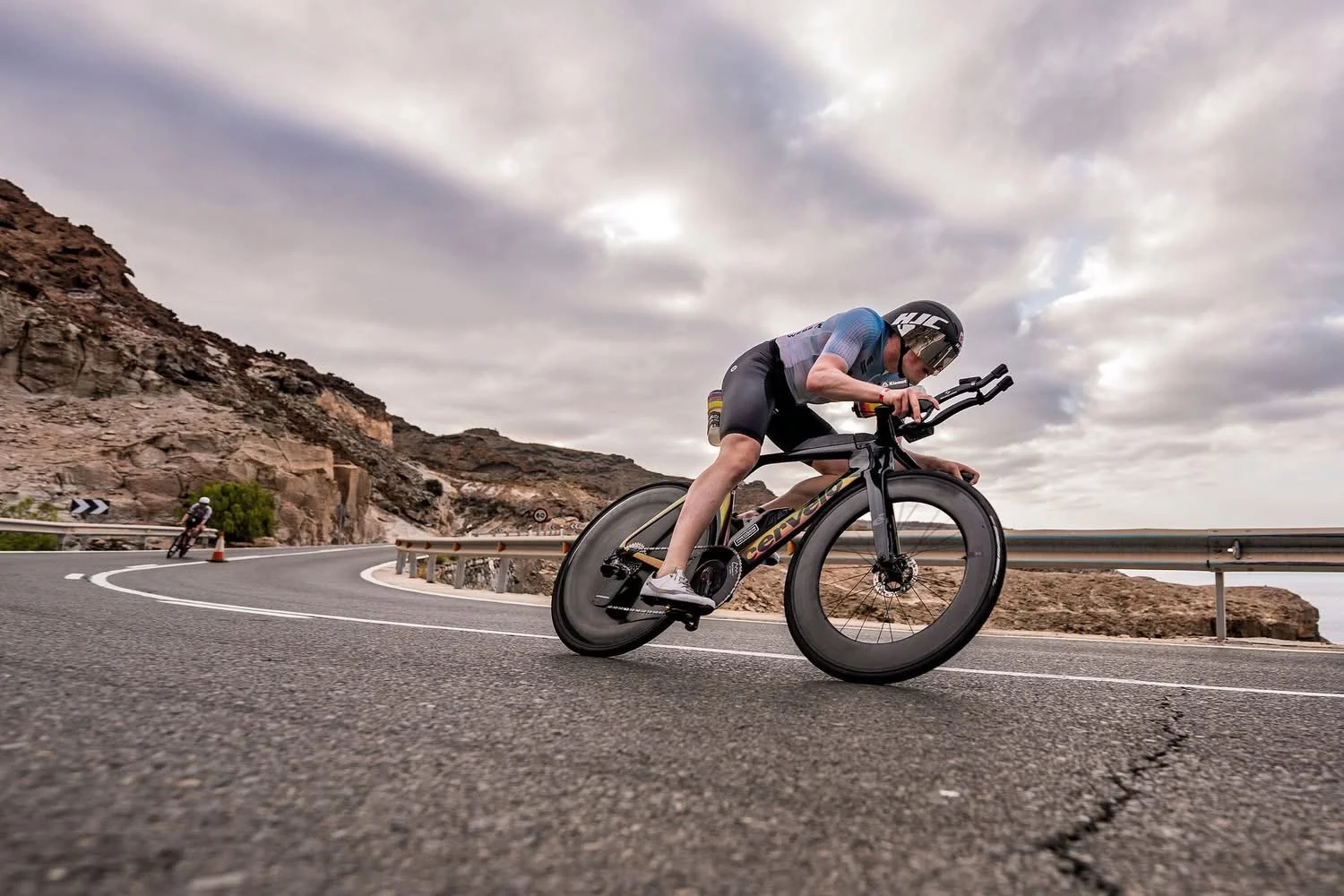
Ironman Recovery Tips: How to Recover Faster After Racing
Recover smarter after your Ironman with expert recovery tips on sleep, nutrition, hydration, and returning to training from Frederick Webb Triathlon.
Crossing the finish line of an Ironman is one of the biggest achievements in endurance sport. After 3.8km of swimming, 180km of cycling, and a full marathon, your body has been pushed to its limits physically and mentally.
But what many athletes forget is this:
Recovery after an Ironman is just as important as the training before it.
The days and weeks after racing play a huge role in:
Preventing injury
Avoiding burnout
Restoring motivation
Rebuilding fitness
Long-term performance
One of the biggest mistakes triathletes make is trying to return to training too quickly.
At Frederick Webb Triathlon, post-race recovery is treated as a key part of performance. Because the goal is not just finishing one race—it is staying healthy, improving long term, and enjoying the sport for years to come.
If you are wondering how to recover faster after an Ironman, here are the most important recovery tips to help your body bounce back properly.
First: Understand What Your Body Has Been Through
An Ironman creates huge stress on the body.
After racing, athletes often experience:
Muscle damage
Severe fatigue
Dehydration
Hormonal stress
Glycogen depletion
Sleep disruption
Even if you feel surprisingly good immediately after racing:
Your body still needs recovery.
Adrenaline can temporarily hide fatigue.
The real tiredness often arrives:
24–72 hours later.
This is normal.
Step 1: Refuel Immediately After Racing
One of the best ways to speed up recovery:
Start refuelling early.
After an Ironman, your body needs:
Carbohydrates
To replenish depleted glycogen stores.
Protein
To support muscle repair.
Fluids and Electrolytes
To restore hydration balance.
Within the first few hours after finishing:
Aim for:
Easy-to-digest carbohydrates
Protein-rich foods
Plenty of fluids
Simple examples:
Recovery shakes
Rice or pasta meals
Sandwiches
Fruit
Electrolyte drinks
Do not underestimate nutrition.
Good recovery starts immediately.
Step 2: Prioritise Sleep
If there is one recovery tool that matters most:
It is sleep.
Sleep supports:
Muscle repair
Hormonal recovery
Immune function
Mental recovery
Many athletes struggle to sleep immediately after racing due to adrenaline.
This is normal.
Focus on:
Several good nights of sleep afterwards.
Aim for:
8+ hours if possible
Short naps can also help during the first week.
At Frederick Webb Triathlon, recovery is planned around the reality that Ironman creates huge fatigue—not just muscle soreness.
Step 3: Do Not Rush Back Into Training
One of the biggest Ironman recovery mistakes:
Returning too quickly.
Many athletes feel pressure to:
“Maintain fitness”
Keep momentum
Avoid losing progress
The reality:
You will not lose fitness in a few days.
Trying to train hard too soon often leads to:
Injury
Illness
Fatigue
Mental burnout
The first few days should focus on:
Rest
Gentle movement
Recovery
Not performance.
Step 4: Use Active Recovery
Recovery does not always mean doing nothing.
Easy movement often helps recovery.
Examples:
Walking
Excellent for circulation.
Easy Swim
Relaxed movement in water.
Easy Spin
Very light cycling.
Gentle Mobility
Improves movement quality.
Key rule:
Keep intensity extremely low.
You should finish feeling:
Better than when you started.
Not more tired.
Step 5: Expect Emotional Fatigue
Many athletes experience:
The Ironman Blues
After months of focus, suddenly:
The goal is over.
It is completely normal to feel:
Flat
Unmotivated
Emotional
Unsure what comes next
This does not mean anything is wrong.
You have just completed something huge.
Give yourself time to:
Celebrate
Reflect
Recharge
Recovery includes mental recovery too.
Step 6: Rehydrate Properly
Even if hydration was good during the race:
You are likely still depleted.
Focus on:
Water
Electrolytes
Sodium replacement
Simple signs of dehydration:
Headaches
Fatigue
Dark urine
Low energy
Hydration often takes:
Several days to fully normalise.
Do not ignore it.
Step 7: Avoid “Punishment” Training
Some athletes finish disappointed and immediately think:
“I need to train harder.”
Big mistake.
Recovery is not weakness.
Training harder while exhausted rarely fixes problems.
Instead:
Analyse the race calmly later.
The first priority:
Recover properly.
Then:
Learn and improve.
Step 8: Gradually Return to Training
Every athlete recovers differently.
General guide:
Days 1–3
Rest and gentle movement.
Week 1
Very easy activity only.
Week 2
Gradual return to easy training.
Week 3+
Build structure slowly.
This depends on:
Experience
Race effort
Injury status
Recovery rate
At Frederick Webb Triathlon, post-race recovery is personalised to each athlete.
Step 9: Listen to Your Body
Recovery timelines vary.
Signs you may need more recovery:
Heavy legs
Persistent fatigue
Poor motivation
Elevated heart rate
Poor sleep
If unsure:
Back off slightly.
Better to recover properly than force fitness too soon.
Long-term consistency matters more.
Step 10: Reflect on Your Race
Once recovery begins:
Take time to ask:
What went well?
What could improve?
What did I learn?
This helps shape smarter future training.
Every Ironman teaches valuable lessons.
The best athletes use reflection—not emotion—to improve.
Why Coaching Helps Recovery
Many athletes struggle because they either:
Return too soon
Rest too long
Ignore fatigue signals
Frederick Webb Triathlon helps athletes through:
Post-race recovery plans
Training return guidance
Strength and conditioning support
Recovery monitoring
Long-term planning
Because Ironman success is built over years—not one race.
Final Thoughts
Recovering after an Ironman properly is one of the smartest things you can do for future performance.
Your body has achieved something extraordinary.
Respect the recovery process.
Focus on:
Sleep
Nutrition
Hydration
Easy movement
Patience
At Frederick Webb Triathlon, athletes are coached to recover intelligently so they stay healthy, motivated, and ready for the next challenge.
Because the strongest athletes are not the ones who train hardest—
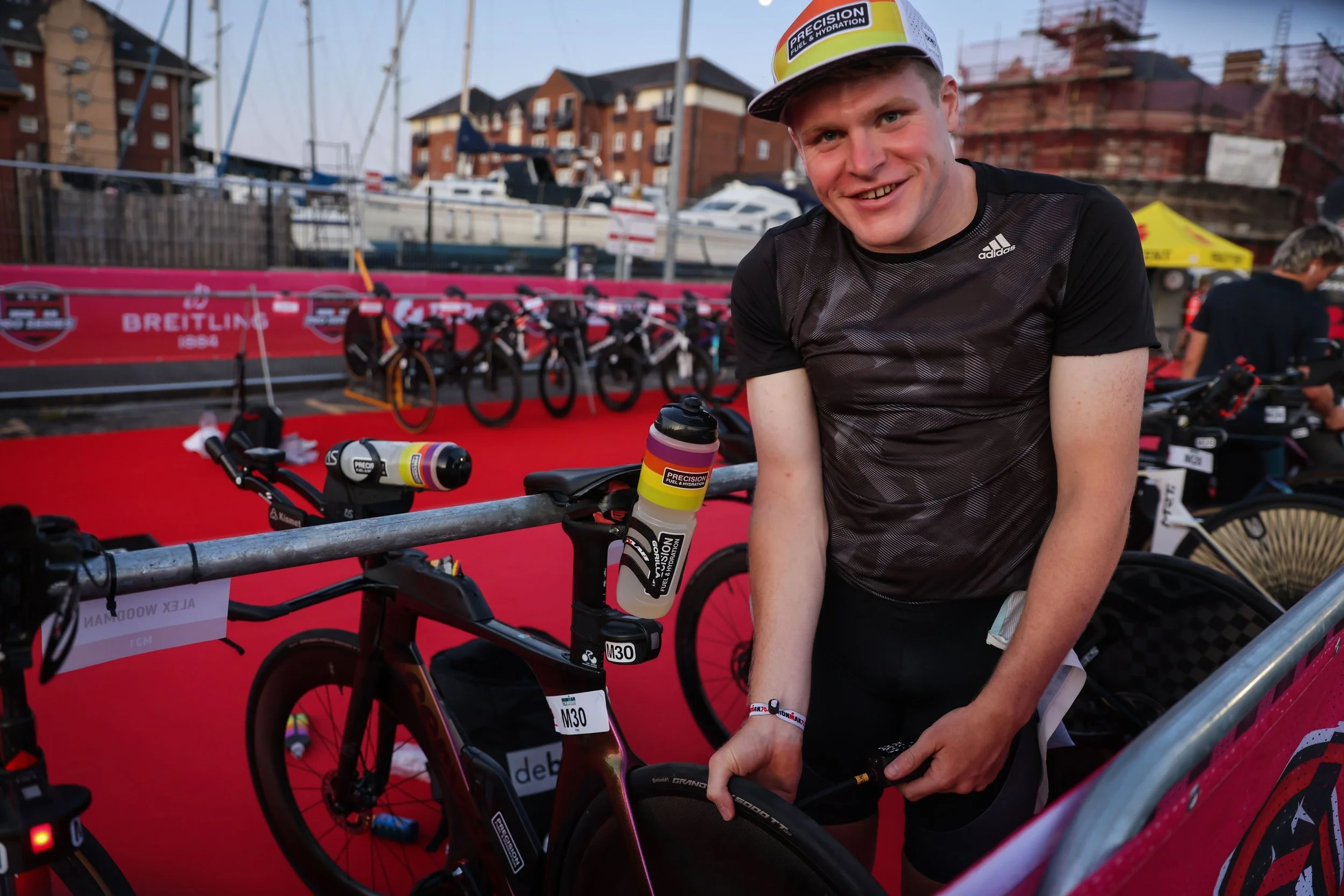
How to Pace an Ironman Properly: The Complete Guide to Racing Strong From Start to Finish
Learn how to pace an Ironman properly with expert strategies for swimming, cycling, running, and fuelling from Frederick Webb Triathlon.
One of the biggest reasons athletes struggle in an Ironman is not fitness.
It is pacing.
Every year, talented and well-trained athletes see their race unravel because they start too hard, ride too aggressively, or ignore their fuelling strategy. On the other hand, athletes who pace intelligently often outperform stronger competitors and finish feeling far stronger than expected.
The truth about Ironman racing is simple:
Pacing can make or break your entire day.
At Frederick Webb Triathlon, pacing strategy is one of the most important parts of Ironman preparation. Smart pacing helps athletes race stronger, fuel properly, avoid blow-ups, and maximise performance across all three disciplines.
If you want to know how to pace an Ironman properly, this guide will help you race smarter and finish stronger.
The Biggest Ironman Mistake: Racing Too Hard Too Early
Ironman is long.
Very long.
The biggest pacing mistake athletes make:
Treating the early part of the race like a shorter event.
It often looks like this:
Swim too hard
Push hills aggressively on the bike
Feel amazing at halfway
Completely fall apart later
The Ironman rewards patience.
The strongest athletes are rarely the ones racing hardest early.
They are the ones who stay controlled longest.
Remember:
If it feels easy early, that is usually a good sign.
Think of Ironman as One Long Day
Many athletes make the mistake of racing each discipline separately.
Instead:
Think of the event as:
One long endurance effort.
Every decision affects what comes later.
Examples:
Swim too hard?
Bike performance suffers.
Bike too aggressively?
The marathon becomes survival.
Underfuel early?
Energy crashes appear later.
Pacing success comes from understanding:
Everything is connected.
How to Pace the Ironman Swim
The swim is where nerves often take over.
Adrenaline is high.
Crowds are intense.
The temptation?
Go too hard immediately.
Big mistake.
Your goal in the swim:
Stay calm
Stay controlled
Conserve energy
The swim should feel:
Comfortably hard—but sustainable.
Key swim pacing tips:
Start Conservatively
Do not sprint the opening 300–500m.
Find Rhythm Quickly
Relax your breathing.
Stay Smooth
Efficiency beats aggression.
Ignore Faster Swimmers
Race your own effort.
Remember:
The race does not start in the swim—it starts later.
You should leave the water feeling:
Fresh enough to ride well.
How to Pace the Ironman Bike
This is where most races are won or lost.
And unfortunately:
Where most athletes go wrong.
You will feel strong early.
Very strong.
That does not mean you should ride hard.
Your goal on the bike:
Ride controlled enough to run well later.
Think:
Smooth
Steady
Sustainable
Not:
Aggressive
Heroic
Overexcited
The Golden Rule:
The bike is preparation for the marathon.
Use Heart Rate or Power (If Possible)
Pacing becomes easier with data.
For many athletes:
Power Meter
The gold standard.
Heart Rate
Helpful for controlling effort.
Typical Ironman bike pacing:
Comfortably aerobic effort.
You should feel:
In control throughout.
If breathing feels hard:
You are likely riding too hard.
Ride Hills Conservatively
This is a huge mistake area.
Many athletes attack climbs.
The cost comes later.
Instead:
Stay controlled uphill
Avoid huge power spikes
Protect your legs
Time lost pacing smartly uphill is usually gained back on the marathon.
Stick to Your Nutrition Plan
Pacing and nutrition work together.
Fuel:
Early
Consistently
Predictably
Never wait until you feel hungry or tired.
At Frederick Webb Triathlon, race nutrition is rehearsed during training so athletes avoid race-day guesswork.
How to Pace the Ironman Marathon
This is where patience pays off.
The biggest run mistake?
Starting too fast.
Many athletes leave transition feeling fantastic.
Then:
Pay for it later.
First 10km:
Run easier than feels necessary.
You should almost feel restrained.
Middle Section:
Find sustainable rhythm.
Focus on:
Cadence
Fueling
Relaxation
Final 10–12km:
If energy remains:
Start building effort gradually.
The strongest Ironman marathon runners:
Negative split mentally if not physically.
Patience wins.
Effort vs Pace: Which Matters More?
Conditions change.
Heat, hills, wind, fatigue.
This means:
Effort matters more than pace.
Trying to force a specific pace can backfire badly.
Instead ask:
Does this feel sustainable?
Can I maintain this later?
Am I fuelling properly?
Race the body you have today.
Not the one you hoped for.
Signs You Are Pacing Correctly
Good pacing feels surprisingly conservative.
Signs include:
Swim:
Controlled breathing.
Bike:
Comfortable conversation possible.
Run:
Energy remains late in the race.
Finish:
Strong final section.
Most athletes pacing well feel:
Like they held back early.
That is exactly right.
Common Ironman Pacing Mistakes
Racing the Swim
Too aggressive too soon.
Chasing Other Athletes
Their race is not yours.
Riding Hills Too Hard
Massive energy cost later.
Ignoring Nutrition
Poor pacing often begins with poor fuelling.
Starting Marathon Too Fast
The classic Ironman mistake.
Practise Pacing During Training
Race-day pacing should never feel unfamiliar.
Practise through:
Race Simulation Rides
Ride at target effort.
Brick Sessions
Bike + run pacing.
Long Endurance Sessions
Learn sustainable effort.
At Frederick Webb Triathlon, pacing becomes part of training—not something guessed on race day.
Why Coaching Helps Ironman Pacing
Many athletes struggle because:
Adrenaline takes over
Pacing feels confusing
Bike effort is too high
Marathon execution fails
Frederick Webb Triathlon provides:
Personalised pacing strategies
Power and heart rate guidance
Race simulations
Nutrition planning
Individual race-day support
This helps athletes race with confidence—not uncertainty.
Final Thoughts
Pacing an Ironman properly is not about being conservative.
It is about being smart.
The strongest Ironman athletes understand:
Winning your race means delaying fatigue—not chasing speed too early.
Success comes from:
Controlled swimming
Disciplined bike pacing
Smart marathon execution
Consistent fuelling
At Frederick Webb Triathlon, athletes are coached to race strategically so they finish stronger, faster, and more confidently.
Patience is speed.
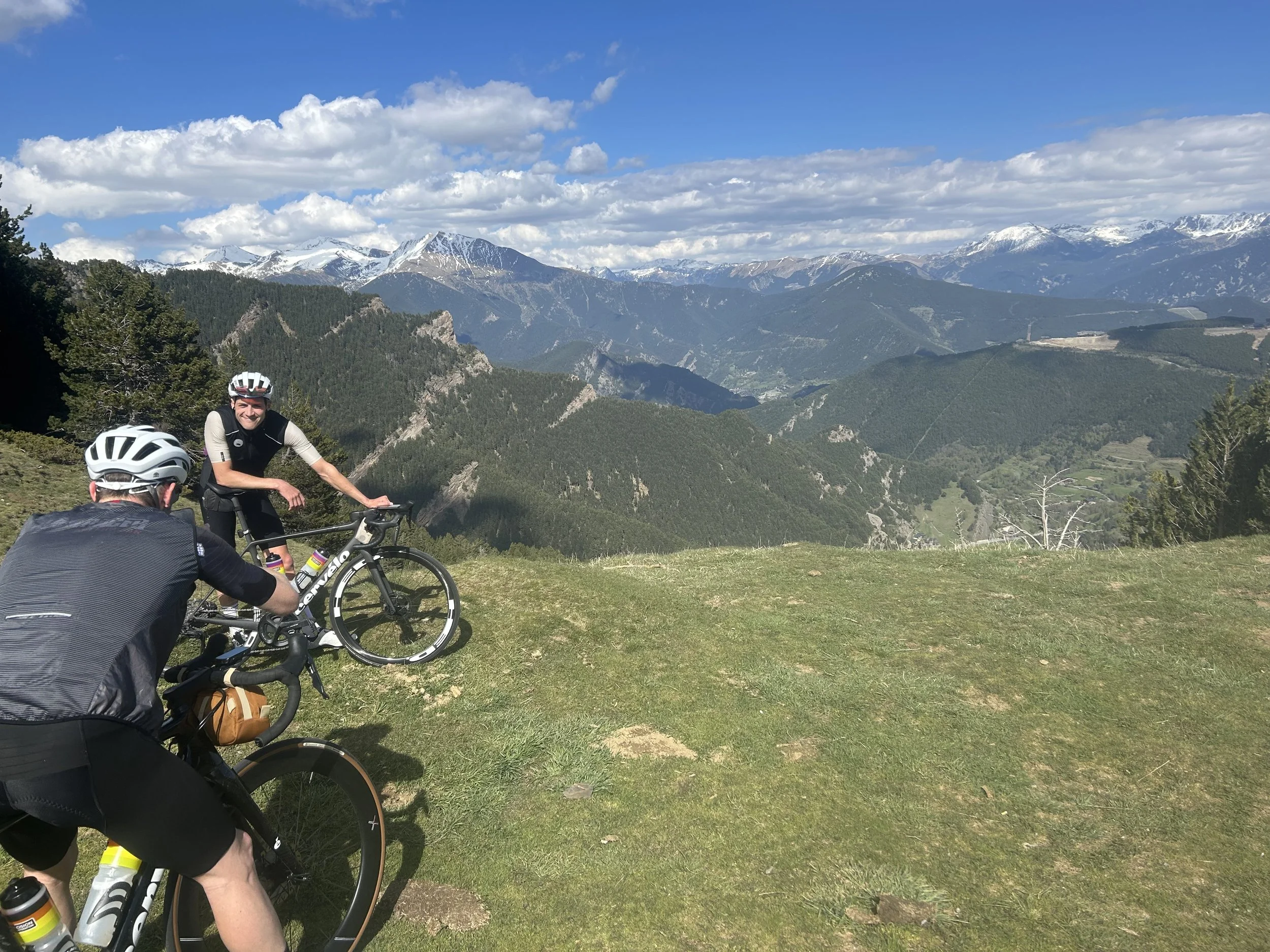
Common Ironman Training Mistakes (And How to Avoid Them)
Avoid common Ironman training mistakes with smarter pacing, recovery, nutrition, and coaching advice from Frederick Webb Triathlon.
Training for an Ironman is one of the most rewarding and demanding challenges in endurance sport. Covering a 3.8km swim, 180km bike, and full marathon, Ironman requires consistency, patience, and smart preparation.
But while motivation is often high, many athletes make training mistakes that slow progress, increase injury risk, or leave them underprepared on race day.
The truth is:
Most Ironman training mistakes are avoidable.
At Frederick Webb Triathlon, athletes are coached to train smarter, avoid burnout, and arrive at race day feeling confident and prepared—not exhausted.
Whether you are training for your first Ironman or chasing a personal best, here are the most common Ironman training mistakes—and how to avoid them.
Mistake 1: Doing Too Much Too Soon
One of the biggest beginner mistakes is dramatically increasing training volume too quickly.
Motivation is high.
You are excited.
You suddenly go from training a few hours per week to:
10–15+ hour weeks immediately.
The problem?
Your body adapts slower than motivation.
This often leads to:
Injury
Fatigue
Burnout
Loss of consistency
Ironman fitness takes time.
The smartest approach is:
Gradual progression.
At Frederick Webb Triathlon, training loads increase progressively to build fitness sustainably.
Mistake 2: Riding Too Hard on Long Rides
Many athletes turn every bike session into a race.
This is one of the fastest ways to ruin Ironman preparation.
The purpose of long rides is:
Aerobic development
Fatigue resistance
Nutrition practice
Race pacing
Instead, athletes often ride:
Too hard, too often.
Signs this may be happening:
Constant fatigue
Poor recovery
Weak run performance
Remember:
Most Ironman training should feel controlled.
Race-day success comes from sustainable pacing.
Mistake 3: Ignoring Nutrition Practice
One of the biggest race-day disasters:
Poor fuelling.
Many athletes train hard but never practise nutrition.
Then race day arrives.
Suddenly:
Stomach issues appear
Energy crashes happen
Hydration goes wrong
Ironman nutrition should be rehearsed repeatedly.
Practise:
Carbohydrate intake
Hydration timing
Electrolytes
Race-day products
Never leave fuelling to guesswork.
Frederick Webb Triathlon helps athletes build race-tested nutrition strategies.
Mistake 4: Neglecting Strength and Conditioning
Many Ironman athletes skip strength work because:
“I already train enough.”
But Ironman places huge demands on the body.
Strength training helps:
Reduce injury risk
Improve bike power
Maintain run form
Improve resilience
Simple sessions can improve:
Core strength
Glute activation
Posture
Stability
Even:
1–2 sessions per week
Can make a huge difference.
Mistake 5: Skipping Recovery
Many athletes believe:
More training = better results.
Actually:
Recovery is where progress happens.
Without proper recovery, performance often plateaus.
Common signs of poor recovery:
Heavy legs
Poor sleep
Low motivation
Reduced performance
Recovery essentials:
Sleep
Easier days
Recovery weeks
Proper fuelling
The strongest athletes recover well.
Mistake 6: Not Doing Enough Brick Training
Ironman running feels very different after 180km on the bike.
This is why brick sessions matter.
A brick session means:
Bike → Run
Example:
3-hour ride
Immediately followed by:
30–45 minute easy run
Benefits include:
Improved fatigue resistance
Better pacing awareness
Greater race confidence
You learn how your body responds under fatigue.
Mistake 7: Swimming for Distance Instead of Technique
Many athletes think:
“I just need to swim more.”
But swimming efficiency matters far more than endless laps.
Poor technique wastes huge energy.
Key swim focuses:
Relaxed breathing
Body position
Efficient stroke mechanics
Rhythm
Improving technique often makes swimming feel dramatically easier.
At Frederick Webb Triathlon, swim coaching prioritises confidence and efficiency.
Mistake 8: Comparing Yourself to Other Athletes
Social media can create unrealistic expectations.
You see athletes training:
Huge hours
Massive long rides
Fast race times
And suddenly feel behind.
Remember:
You only see highlights.
Your training should suit:
Your goals
Your lifestyle
Your recovery ability
Progress is personal.
Consistency beats comparison.
Mistake 9: Ignoring Race Pacing Practice
Many athletes train hard but never rehearse race effort.
Then race day becomes guesswork.
Ironman pacing should be practised regularly.
Ask yourself:
What power or effort will I bike at?
What pace feels sustainable on tired legs?
What nutrition timing works best?
Race-day confidence comes from rehearsal.
Not hope.
Mistake 10: Training Too Hard All the Time
Ironman training should not feel like suffering every day.
Many athletes make every session difficult.
This creates:
Fatigue accumulation
Reduced adaptation
Injury risk
A good Ironman plan includes:
Easy endurance
Key quality sessions
Recovery days
Structured progression
Easy sessions are productive.
Do not underestimate them.
Mistake 11: Using Generic Training Plans
Free online plans can help—but often fail to consider:
Work schedule
Fitness level
Injury history
Recovery ability
Strengths and weaknesses
A personalised approach often leads to better results.
Frederick Webb Triathlon builds programmes around:
Real people with real lives.
Because consistency matters more than perfection.
Why Coaching Helps Avoid Ironman Mistakes
Ironman training is complex.
Many athletes struggle because they:
Overtrain
Underfuel
Recover poorly
Pace badly
Frederick Webb Triathlon provides:
Personalised Ironman coaching
Training structure
Nutrition support
Strength and conditioning guidance
Race preparation strategies
Ongoing accountability
This helps athletes train smarter and race stronger.
Final Thoughts
Training for an Ironman does not have to mean constant exhaustion.
Most race-day problems begin with training mistakes months earlier.
Avoiding these common errors can help you:
Stay healthy
Train consistently
Improve performance
Enjoy the process more
At Frederick Webb Triathlon, athletes are coached to train intelligently, avoid burnout, and arrive at race day feeling strong, prepared, and confident.
Because successful Ironman racing is not about training hardest— It is about training smartest.
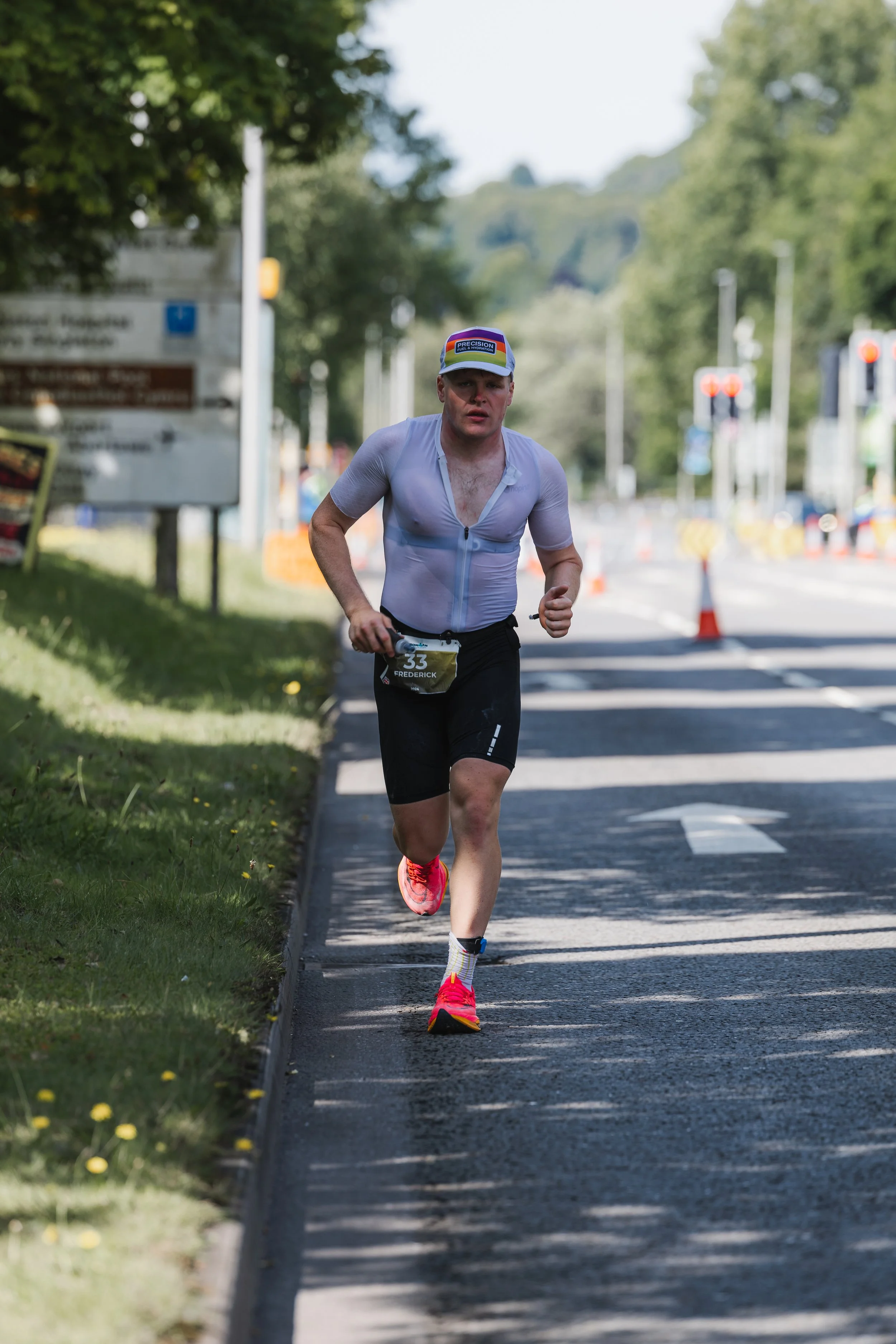
How To Improve Ironman Marathon Pace: Run Stronger When It Matters Most
Discover how to improve your Ironman marathon pace with expert advice on pacing, fuelling, brick sessions, and endurance training from Frederick Webb Triathlon.
For many triathletes, the marathon is where an Ironman race truly begins. After a 3.8km swim and 180km bike ride, running well is often the difference between simply surviving and achieving a personal best.
Many athletes can run a fast standalone marathon. Far fewer can run strongly after spending hours already racing. That is why improving your Ironman marathon pace requires a very different approach compared to traditional run training.
At Frederick Webb Triathlon, coaching focuses on helping athletes run stronger under fatigue through smarter training, pacing, strength work, and race-day execution.
If your goal is to stop fading in the second half of the run and improve your Ironman marathon pace, here is what you need to know.
Why Ironman Marathon Pace Is Different
One of the biggest mistakes athletes make is comparing their standalone marathon pace to what they expect to run in an Ironman.
The reality is:
An Ironman marathon is not a normal marathon.
By the time you start running, your body is already dealing with:
Muscle fatigue
Energy depletion
Heat stress
Mental fatigue
Biomechanical breakdown
This means pacing, preparation, and durability matter far more than raw running speed.
The strongest Ironman runners are often not the fastest runners—they are the athletes who manage fatigue best.
Build Run Durability, Not Just Speed
Many athletes spend too much time chasing fast intervals and not enough time building resilience.
Ironman marathon success depends heavily on durability.
Run durability means:
Your ability to maintain pace when tired.
To improve this, training should include:
Consistent weekly running
Easy aerobic mileage
Fatigue resistance sessions
Brick runs
Controlled long runs
At Frederick Webb Triathlon, run training focuses on consistency and sustainability rather than excessive mileage.
Master Your Bike Pacing First
One of the biggest truths in Ironman racing:
Your marathon pace is heavily determined by your bike pacing.
Many athletes struggle on the run because they ride too hard.
Signs of poor bike pacing include:
Heavy legs early in the marathon
Walking aid stations
Significant slowing after halfway
Cramping or energy crashes
The strongest marathon performances often come from conservative bike pacing.
A smart bike split allows you to actually run well later.
Remember:
The bike is preparation for the marathon.
Include Brick Sessions in Training
Brick sessions are one of the best ways to improve Ironman marathon pace.
Running immediately after cycling teaches the body to adapt to fatigue.
Example Brick Session:
2–4 hour controlled bike ride
Immediately followed by:
30–60 minute steady run
Benefits include:
Improved fatigue resistance
Better pacing awareness
Increased confidence
More efficient running form
These sessions should not always be hard.
The goal is to learn how to run efficiently under fatigue.
Improve Aerobic Efficiency
Ironman marathon pace relies heavily on aerobic fitness.
The stronger your aerobic engine, the easier sustainable running becomes.
One of the biggest beginner mistakes is running too hard too often.
Easy aerobic running should make up most of your training.
Benefits include:
Improved endurance
Better recovery
Reduced injury risk
Greater race-day efficiency
A strong aerobic base creates faster sustainable pacing.
Strength and Conditioning Makes a Huge Difference
Many triathletes underestimate how important strength work is for running performance.
As fatigue builds during an Ironman, poor posture and muscular weakness often slow athletes dramatically.
Strength and conditioning helps:
Improve running economy
Reduce muscular breakdown
Improve posture under fatigue
Lower injury risk
Key areas include:
Core stability
Glute strength
Hamstring resilience
Lower leg durability
At Frederick Webb Triathlon, strength training is integrated strategically to improve long-distance performance.
Practise Race Nutrition
Many marathon pacing issues are actually fuelling problems.
If energy intake is poor on the bike, the marathon becomes significantly harder.
Common mistakes include:
Not eating enough carbs
Poor hydration
Electrolyte imbalances
Waiting too long to fuel
To improve marathon pace:
Fuel Early
Do not wait until you feel tired.
Practise in Training
Every nutrition strategy should be tested repeatedly.
Stay Consistent
Small, regular intake works best.
A well-fuelled athlete almost always runs stronger.
Run Long—but Smart
Long runs matter for Ironman preparation, but more is not always better.
The goal is to build endurance without excessive fatigue.
Good Ironman long runs focus on:
Controlled pacing
Time on feet
Aerobic efficiency
Consistency
Example session:
90–150 minute easy aerobic run
Occasionally include:
Progressive Long Runs
Start easy and gradually increase effort near the end.
This teaches the body to run stronger when tired.
Learn Proper Race-Day Pacing
One of the biggest mistakes athletes make is starting the marathon too quickly.
You should feel:
Comfortably controlled early on.
The first 10km should feel easier than expected.
A strong pacing strategy:
First 10km
Relaxed and controlled.
Middle Section
Steady, sustainable effort.
Final 10–12km
Gradually increase effort if energy allows.
Many athletes lose huge amounts of time by pacing poorly early.
Patience wins Ironman marathons.
Stay Consistent in Training
There is no magic workout for marathon pace.
The biggest predictor of success is consistency over time.
Strong Ironman runners usually have:
Months of consistent training
Gradual progression
Minimal injury interruptions
Balanced recovery
Missing occasional sessions is fine.
What matters most is showing up consistently.
Why Coaching Helps Improve Ironman Marathon Pace
Many athletes struggle because they either:
Run too hard in training
Bike too aggressively
Ignore nutrition
Train inconsistently
Frederick Webb Triathlon provides:
Personalised Ironman run plans
Bike pacing guidance
Strength and conditioning support
Nutrition strategies
Brick session programming
Ongoing performance feedback
This creates smarter preparation and stronger marathon performances.
Final Thoughts
Improving Ironman marathon pace is not about becoming the fastest runner—it is about becoming the strongest endurance athlete.
Success comes from:
Smart bike pacing
Consistent running
Proper fuelling
Strength and conditioning
Fatigue resistance training
The athletes who run strongest at the end of an Ironman are usually the ones who prepared most intelligently.
At Frederick Webb Triathlon, athletes are coached to run smarter, pace better, and finish stronger—turning the marathon into an opportunity rather than a survival test.
Because in Ironman, the real race often starts when the run begins.

Ironman Recovery Tips: How to Recover Faster, Train Better and Perform Stronger
Learn the best Ironman recovery tips to recover faster, train smarter, and improve performance with expert guidance from Frederick Webb Triathlon.
Completing an Ironman—or training for one—places huge demands on the body. Long swims, demanding bike sessions, marathon runs, and accumulated fatigue can quickly take their toll if recovery is ignored. Yet one of the biggest mistakes many triathletes make is focusing entirely on training while overlooking the thing that actually allows progress to happen: recovery.
The reality is simple:
You do not get fitter during training—you get fitter when you recover from training.
At Frederick Webb Triathlon, recovery is treated as an essential part of every athlete’s programme. Smarter recovery helps athletes train consistently, reduce injury risk, avoid burnout, and improve race-day performance.
Whether you are preparing for your first Ironman or chasing a personal best, these Ironman recovery tips will help you recover faster and perform better.
Why Recovery Matters in Ironman Training
Ironman training creates physical stress.
Every session breaks the body down to some degree through:
Muscle fatigue
Glycogen depletion
Nervous system stress
Hormonal fatigue
Mental exhaustion
Recovery is the process that allows the body to adapt and become stronger.
Without enough recovery, athletes often experience:
Plateaued fitness
Poor motivation
Increased injury risk
Fatigue and illness
Reduced performance
The athletes who recover best are often the athletes who perform best.
Prioritise Sleep Above Everything Else
If there is one recovery tool that delivers the biggest benefit, it is sleep.
Sleep helps:
Repair muscles
Restore hormones
Improve immune function
Consolidate training adaptation
Enhance mental focus
Most Ironman athletes should aim for:
7–9 hours of quality sleep per night
During heavier training blocks, some athletes may benefit from even more.
Simple ways to improve sleep:
Maintain a regular bedtime
Reduce screen time before sleep
Keep your room cool and dark
Avoid caffeine late in the day
Poor sleep is one of the biggest causes of underperformance in endurance sport.
Fuel Recovery Properly
Nutrition is one of the most overlooked parts of recovery.
Many athletes train hard but fail to refuel properly afterwards.
This slows recovery dramatically.
After harder sessions, focus on:
Carbohydrates
These help replace glycogen stores used during training.
Protein
Protein supports muscle repair and adaptation.
Hydration
Long sessions increase fluid and electrolyte loss.
Recovery nutrition becomes particularly important after:
Long rides
Brick sessions
Hard run workouts
Long swim sessions
At Frederick Webb Triathlon, athletes are coached on fuelling strategies that support both performance and recovery.
Don’t Fear Recovery Days
One of the biggest myths in triathlon is that taking easier days means losing fitness.
The opposite is true.
Recovery days help:
Reduce fatigue
Improve adaptation
Prevent injury
Maintain motivation
A properly structured Ironman plan includes:
Easy days
Recovery weeks
Lower-intensity sessions
Training hard every day usually leads to burnout—not progress.
Consistency always beats exhaustion.
Use Active Recovery
Recovery does not always mean complete rest.
Easy movement can improve circulation and reduce soreness.
Examples include:
Easy Recovery Ride
45–60 minutes very light spinning
Easy Swim
Relaxed technique-focused swimming
Walking
Low-impact movement supports circulation
Mobility Work
Stretching and mobility exercises help movement quality
The key is keeping effort genuinely easy.
Recovery sessions should leave you feeling better—not more tired.
Strength and Mobility Matter
Ironman athletes often neglect mobility and strength work.
However, both are important for long-term recovery and durability.
Strength and conditioning can help:
Reduce muscular imbalances
Improve movement quality
Prevent injuries
Increase resilience to training load
Mobility work also helps maintain:
Hip movement
Ankle mobility
Shoulder flexibility
Running posture
Frederick Webb Triathlon integrates strength and conditioning into athlete programmes to support recovery and longevity.
Learn to Listen to Your Body
Every athlete experiences fatigue.
The important skill is recognising the difference between:
Normal Training Fatigue
Temporary tiredness that improves after recovery.
Excessive Fatigue
Persistent exhaustion that affects performance.
Signs you may need more recovery:
Elevated resting heart rate
Poor sleep
Heavy legs for several days
Low motivation
Irritability
Reduced training performance
Sometimes the smartest thing you can do is back off slightly before problems become bigger.
Recovery Tools: What Actually Works?
The fitness industry is full of recovery gadgets, but basics matter most.
The most effective recovery tools are:
Sleep
Good Nutrition
Hydration
Structured Recovery Days
Easy Movement
Additional recovery tools that may help:
Compression wear
Foam rolling
Massage
Ice baths (for some athletes)
But none of these replace good sleep and proper fuelling.
Focus on the fundamentals first.
Manage Stress Outside Training
Many Ironman athletes underestimate how much life stress affects recovery.
Work pressure, poor sleep, family demands, and mental stress all increase fatigue.
Your body does not separate:
Training stress from life stress.
This is why Frederick Webb Triathlon coaching adapts training around real-life commitments.
Sometimes reducing training temporarily leads to better long-term results.
Plan Recovery Into Your Season
Recovery should not only happen when you feel broken.
Smart athletes schedule recovery proactively.
Examples include:
Recovery Weeks
Every 3–4 weeks, reduce training volume.
Post-Race Recovery
Take time to recover after major events.
Off-Season Breaks
Mental and physical resets matter.
Ironman success is built over months and years—not just one training block.
Why Coaching Improves Recovery
Many athletes struggle because they either:
Train too hard
Recover too little
Ignore warning signs
A coach removes much of the guesswork.
Frederick Webb Triathlon provides:
Personalised recovery management
Smarter training load control
Strength and conditioning support
Nutrition guidance
Ongoing feedback and adjustments
This helps athletes train consistently without tipping into overtraining or burnout.
Final Thoughts
Recovery is not time away from progress—it is the reason progress happens.
The best Ironman athletes are not simply the ones who train hardest. They are the athletes who recover best, remain consistent, and train intelligently over time.
By prioritising sleep, fuelling properly, listening to your body, and following a structured plan, you can recover faster and perform stronger.
At Frederick Webb Triathlon, recovery is built into every programme so athletes stay healthy, motivated, and prepared for race day success.
Because smart recovery creates stronger performances.
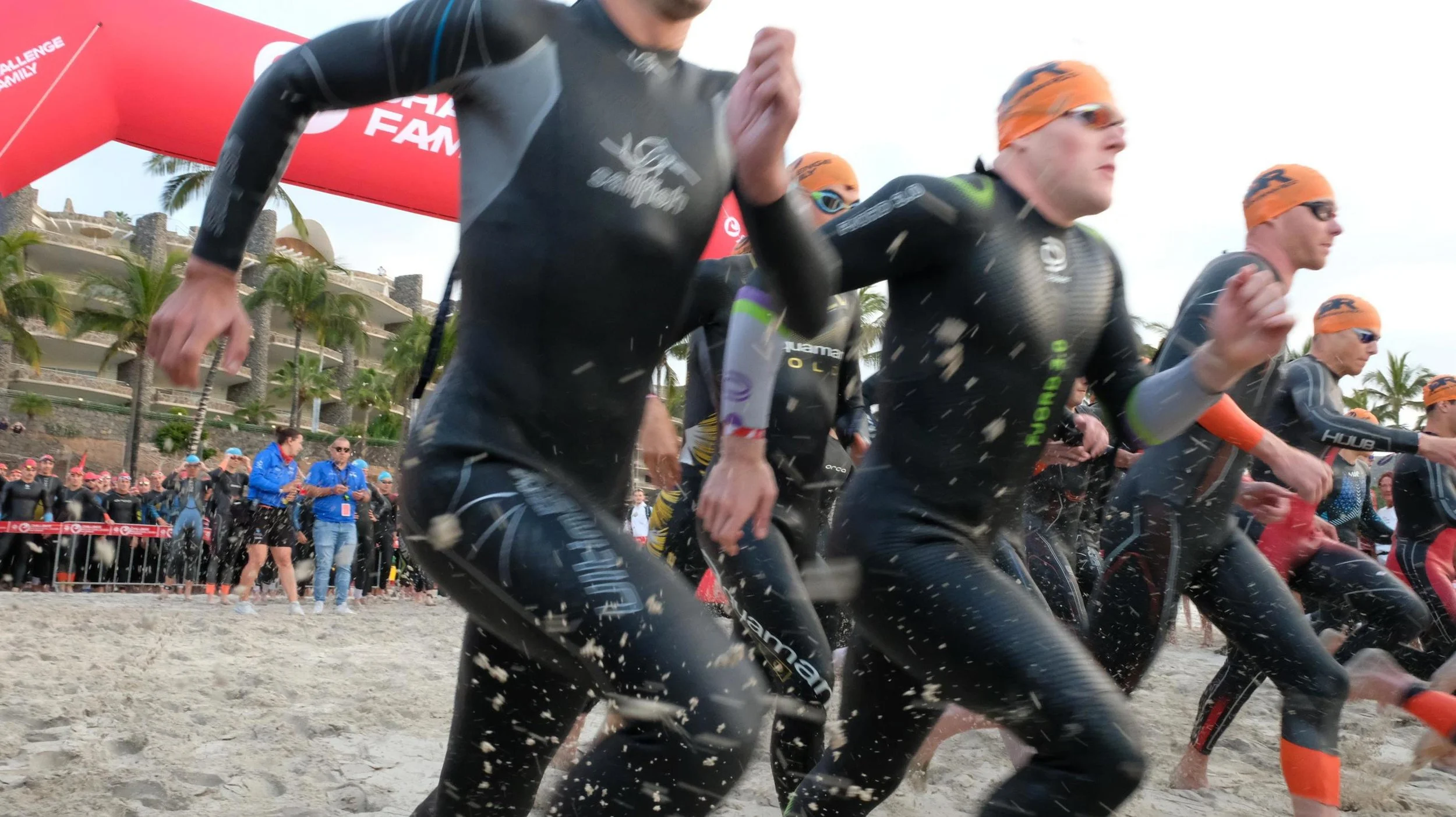
How To Avoid Ironman Burnout: Training Smarter for Long-Term Success
Discover how to avoid Ironman burnout with expert advice on training, recovery, nutrition, and mindset from Frederick Webb Triathlon. Train smarter and stay consistent.
Training for an Ironman is one of the most rewarding challenges in endurance sport—but it can also become overwhelming. Long hours, physical fatigue, work commitments, family life, and the pressure to constantly improve can quickly lead athletes toward burnout if training is not managed correctly.
Ironman success is not just about training harder—it is about training smarter.
At Frederick Webb Triathlon, coaching focuses on sustainable progression, intelligent training, and athlete longevity. The goal is not simply to get you to the finish line, but to help you enjoy the process, stay healthy, and continue improving year after year.
If you are training for an Ironman and want to avoid fatigue, loss of motivation, injury, or overtraining, this guide will help you recognise the warning signs and build a more balanced approach.
What Is Ironman Burnout?
Burnout occurs when physical and mental stress exceed your ability to recover.
Many athletes assume burnout only happens to elite performers, but it is extremely common among age-group triathletes balancing busy lives alongside training.
Burnout can show itself through:
Constant tiredness
Poor motivation to train
Reduced performance
Increased injury risk
Sleep disruption
Mood changes or irritability
Feeling mentally exhausted
Ironman training is demanding, but constantly feeling depleted should never be considered normal.
Why Ironman Athletes Burn Out
The biggest cause of burnout is usually trying to do too much, too soon.
Many athletes fall into the trap of believing:
“More training equals better results.”
In reality, excessive training often produces the opposite outcome.
Common causes include:
Too Much Volume
Adding unnecessary mileage without proper recovery creates accumulated fatigue.
Lack of Recovery
Skipping recovery sessions, rest days, or easier weeks eventually catches up with performance.
Unrealistic Expectations
Trying to train like professional athletes while balancing work and family commitments can become unsustainable.
Poor Nutrition
Under-fuelling long sessions often leads to fatigue and reduced recovery.
Mental Pressure
Obsessing over numbers, missed sessions, or race goals can make training feel stressful instead of enjoyable.
At Frederick Webb Triathlon, coaching plans are built around the athlete’s real life—not unrealistic expectations.
Recovery Is Part of Training
One of the most important mindset shifts for Ironman athletes is understanding that recovery is not weakness—it is where adaptation happens.
Training creates stress.
Recovery creates progress.
Without proper recovery, fitness gains slow down and injury risk increases.
Key recovery strategies include:
Prioritise Sleep
Sleep is arguably the most powerful recovery tool available.
Aim for:
7–9 hours consistently
Good sleep routines
Reduced screen time before bed
Poor sleep affects performance more than most athletes realise.
Schedule Recovery Days
Rest days are productive.
Taking recovery seriously helps maintain consistency over months of training.
A properly structured programme should include:
Easy training days
Recovery weeks
Planned rest periods
Frederick Webb Triathlon coaching is designed to balance progression with sustainable recovery.
Stop Chasing Every Session
One missed workout does not ruin Ironman preparation.
Many athletes become mentally exhausted because they feel guilty whenever life interrupts training.
The reality is:
Consistency matters more than perfection.
Trying to “make up” missed sessions often increases fatigue unnecessarily.
If work, travel, illness, or family commitments affect training, adapt and move forward.
Long-term progress always wins.
Strength and Conditioning Helps Prevent Burnout
Many athletes overlook strength training when trying to reduce fatigue and injury risk.
A proper strength and conditioning programme can:
Improve movement efficiency
Reduce muscular imbalances
Lower injury risk
Improve durability for high training loads
At Frederick Webb Triathlon, strength work is integrated strategically—not added randomly—to help athletes remain strong and resilient throughout long training blocks.
This becomes particularly valuable during heavy Ironman preparation.
Fuel Properly for Ironman Training
Under-fuelling is one of the fastest ways to burn out.
Many triathletes accidentally train in an energy deficit, leading to:
Poor recovery
Fatigue
Increased illness risk
Hormonal disruption
Reduced performance
Key fuelling principles include:
Fuel Long Sessions
Do not save nutrition only for race day.
Practise fuelling during training.
Prioritise Recovery Nutrition
After hard sessions, focus on:
Carbohydrates
Protein
Hydration
Avoid Extreme Dieting
Trying to lose excessive weight during peak Ironman training usually backfires.
Strong athletes perform better than under-fuelled athletes.
Listen to Your Body
One of the biggest skills endurance athletes develop is learning when to push and when to back off.
Ignoring warning signs often leads to injury or complete mental fatigue.
Watch for:
Elevated resting heart rate
Persistent soreness
Reduced motivation
Declining performance
Difficulty sleeping
Sometimes the smartest decision is reducing training temporarily.
Good coaching recognises when adjustments are needed.
Keep Ironman Training Enjoyable
Many athletes lose motivation because training becomes too rigid or stressful.
Remember why you started.
Ways to keep motivation high:
Train with others occasionally
Include sessions you enjoy
Celebrate small progress
Focus on long-term development
Avoid comparison with others
Ironman is a journey—not just a finish line.
Enjoying the process often produces the best results.
Train Smarter With a Structured Plan
Generic online plans often fail because they ignore the individual athlete.
A sustainable Ironman programme should consider:
Lifestyle demands
Work schedule
Family commitments
Current fitness
Recovery capacity
Frederick Webb Triathlon creates personalised training plans that fit around real life while still delivering performance improvements.
This prevents athletes from overreaching and helps maintain consistency.
Why Coaching Helps Prevent Burnout
Having a coach removes much of the guesswork and emotional stress of training.
Athletes often burn out because they:
Push too hard
Ignore fatigue
Follow unrealistic programmes
Struggle to adapt training when life changes
Frederick Webb Triathlon provides:
Personalised training plans
Ongoing communication and adjustments
Recovery management
Strength and conditioning integration
Long-term athlete development
The result is smarter training with fewer setbacks.
Final Thoughts
Ironman burnout is common—but it is avoidable.
The athletes who succeed long-term are rarely the ones training the hardest every day. Instead, they are the athletes who train consistently, recover properly, fuel well, and remain patient.
Ironman success comes from sustainable habits, not constant exhaustion.
At Frederick Webb Triathlon, coaching is designed to help athletes train intelligently, avoid burnout, and build long-term endurance performance.
Because the goal is not just to complete one Ironman—it is to keep progressing for years to come.
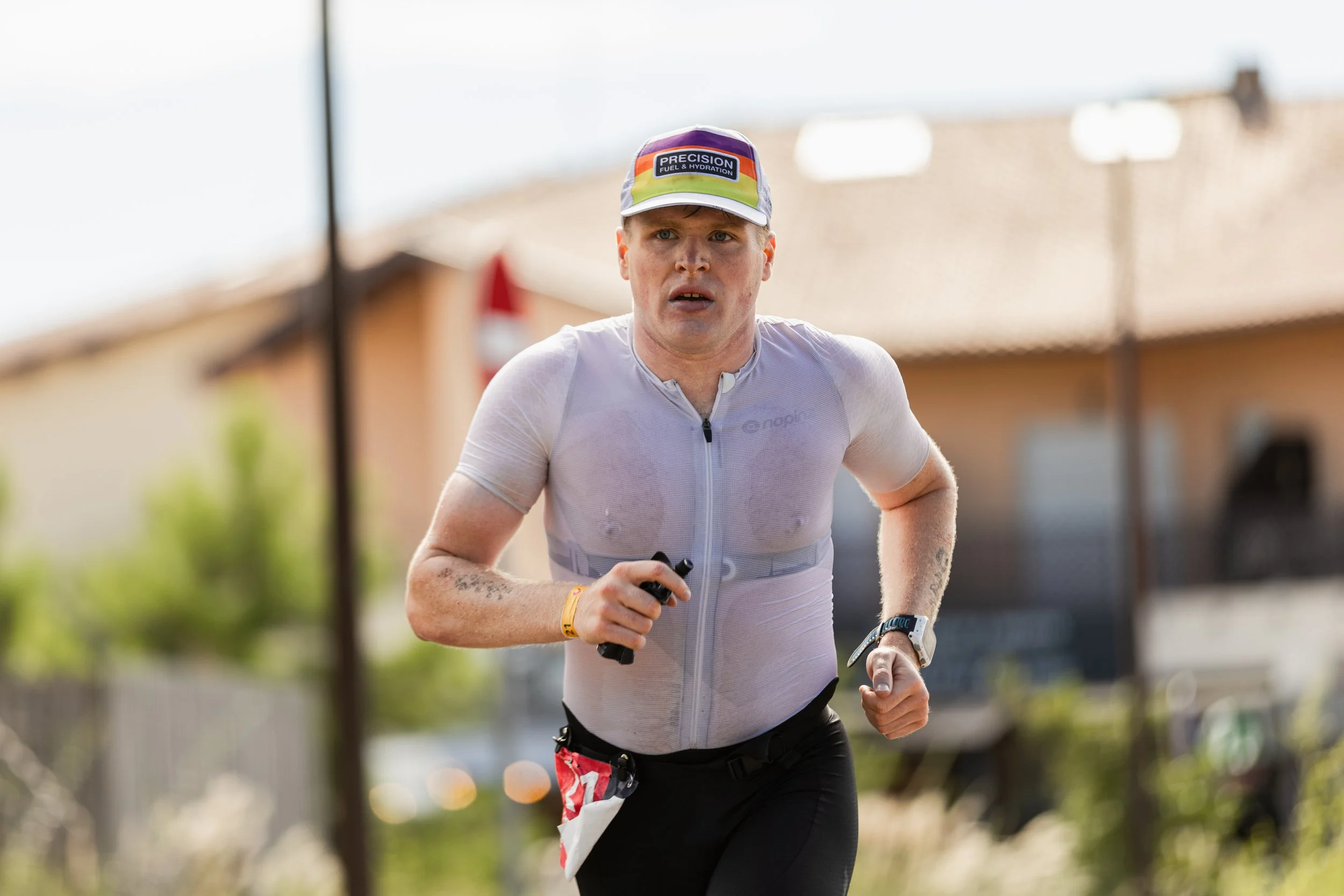
How To Pace Ironman Wales: Expert Strategy Guide
Ironman Wales is one of the toughest and most rewarding races in triathlon. Learn how to pace the swim, bike, and marathon correctly with expert race advice from Frederick Webb Triathlon.
Ironman Wales is one of the toughest full-distance triathlons in the world. The atmosphere is legendary, the crowds are incredible, and the course is brutally honest. Athletes who respect the course often have one of the best race experiences of their lives. Those who underestimate it usually suffer badly before the finish line.
At Frederick Webb Triathlon, pacing Ironman Wales correctly is treated as one of the most important parts of race preparation. Fitness alone is not enough on this course. Success comes from patience, control, and smart execution across the entire day.
The athletes who perform best are rarely the ones going hardest early on. They are the athletes still moving well in the final 10 kilometres of the marathon.
Why Ironman Wales Is So Challenging
Ironman Wales is unique because there are very few easy sections.
The course includes:
Cold sea swim conditions
Technical bike descents
Constant rolling terrain
Steep climbs
Strong coastal winds
A demanding marathon course
Huge crowd adrenaline
It punishes poor pacing harder than flatter Ironman races.
Athletes who try to force pace targets designed for fast European courses often implode later in the race.
Ironman Wales rewards controlled effort rather than aggressive speed.
Swim Pacing Strategy
The swim at Tenby can feel intimidating due to sea conditions, waves, and the famous beach start.
Many athletes spike heart rate and adrenaline immediately.
The key is staying controlled.
Focus Areas
Start slightly easier than you think
Prioritise rhythm over speed
Settle breathing early
Avoid unnecessary sprinting
Stay relaxed through contact
Strong swimmers often gain very little from an aggressive first 400 metres, but weaker swimmers can lose massive amounts of energy through panic.
The goal is exiting the swim calm and ready for a long day.
Transition Is Part of the Race
Ironman Wales transitions are not always quick due to terrain and layout.
Do not rush unnecessarily.
Take time to:
Get nutrition organised
Control breathing
Prepare mentally for the bike
Stay calm despite crowd excitement
A smooth transition is faster overall than a chaotic one.
Bike Pacing Is Everything at Ironman Wales
The bike course is where most pacing mistakes happen.
Athletes feel fresh early and attack the hills too aggressively.
This almost always leads to marathon problems later.
The course constantly tempts athletes into surging power above sustainable levels.
The Golden Rule
Ride easier than your ego wants to.
Athletes should aim for:
Smooth consistent effort
Controlled climbing
Conservative first lap pacing
Low emotional spikes
Strong fueling discipline
Avoid Power Surges on Climbs
One of the biggest mistakes at Ironman Wales is treating every climb like a race segment.
Short steep climbs can push athletes far above target effort.
This burns glycogen quickly and increases muscular fatigue.
Instead:
Stay seated where possible
Spin efficiently
Keep breathing controlled
Avoid chasing other riders
You should feel like you are holding back for most of the first bike lap.
Descents Require Patience Too
Ironman Wales has technical descents that reward confidence and bike handling.
However, reckless descending rarely saves meaningful time.
Stay controlled, fuel regularly, and avoid unnecessary risks.
A crash or excessive stress destroys pacing strategy instantly.
Nutrition and Pacing Must Match
Athletes often struggle nutritionally because they overbike early.
High intensity reduces digestive efficiency.
If you cannot eat comfortably on the bike, you are probably riding too hard.
At Frederick Webb Triathlon, pacing and fueling are always linked together during race preparation.
Marathon Pacing Strategy
The marathon at Ironman Wales is where the race truly begins.
The crowds in Tenby are incredible, but the course is deceptively difficult with constant elevation changes and fatigue already deep in the legs.
The Biggest Mistake
Starting the run at open marathon pace.
Ironman marathon pacing should feel controlled from the beginning.
Even if you feel amazing leaving transition, the effort needs to stay disciplined.
Break the Marathon Into Sections
Mentally dividing the marathon helps pacing enormously.
For example:
First 10km: Settle and control effort
Middle section: Maintain rhythm
Final 10km: Compete and survive
Trying to “bank time” early rarely works.
Walk Aid Stations If Needed
Walking briefly through aid stations is not failure.
It can actually improve:
Hydration
Cooling
Nutrition absorption
Overall marathon pacing
Many experienced Ironman athletes use strategic walking to maintain stronger overall performance.
Respect the Final 10km
Ironman Wales becomes extremely difficult late in the marathon.
Athletes who paced correctly often pass huge numbers of competitors here.
This is where patience earlier in the day pays off massively.
Strong finishes are built through restraint, not aggression.
Mental Control Wins Ironman Wales
The emotional atmosphere in Tenby is incredible. Crowds can pull athletes into riding or running above sustainable effort.
The athletes who race best stay emotionally calm.
Focus on:
Your pacing plan
Your nutrition
Your breathing
Your process
Do not race the crowd.
Common Ironman Wales Pacing Mistakes
Riding the First Hour Too Hard
Adrenaline causes massive pacing errors early.
Chasing Climbs
Every surge costs energy later.
Ignoring Nutrition
Underfueling compounds pacing collapse.
Running Too Fast Early
The marathon punishes impatience brutally.
Racing Emotionally
Crowd energy must be managed carefully.
Final Thoughts
Ironman Wales is one of the most rewarding races in endurance sport because it demands complete discipline.
The athletes who succeed are not necessarily the fittest. They are the athletes who execute best across swim, bike, run, nutrition, and mindset.
Pacing Ironman Wales correctly means respecting the course, staying patient, and making intelligent decisions from the first minute to the finish line.
Frederick Webb Triathlon helps athletes prepare specifically for demanding races like Ironman Wales through structured coaching, race pacing guidance, nutrition planning, and course-specific preparation designed for real-world success on race day.
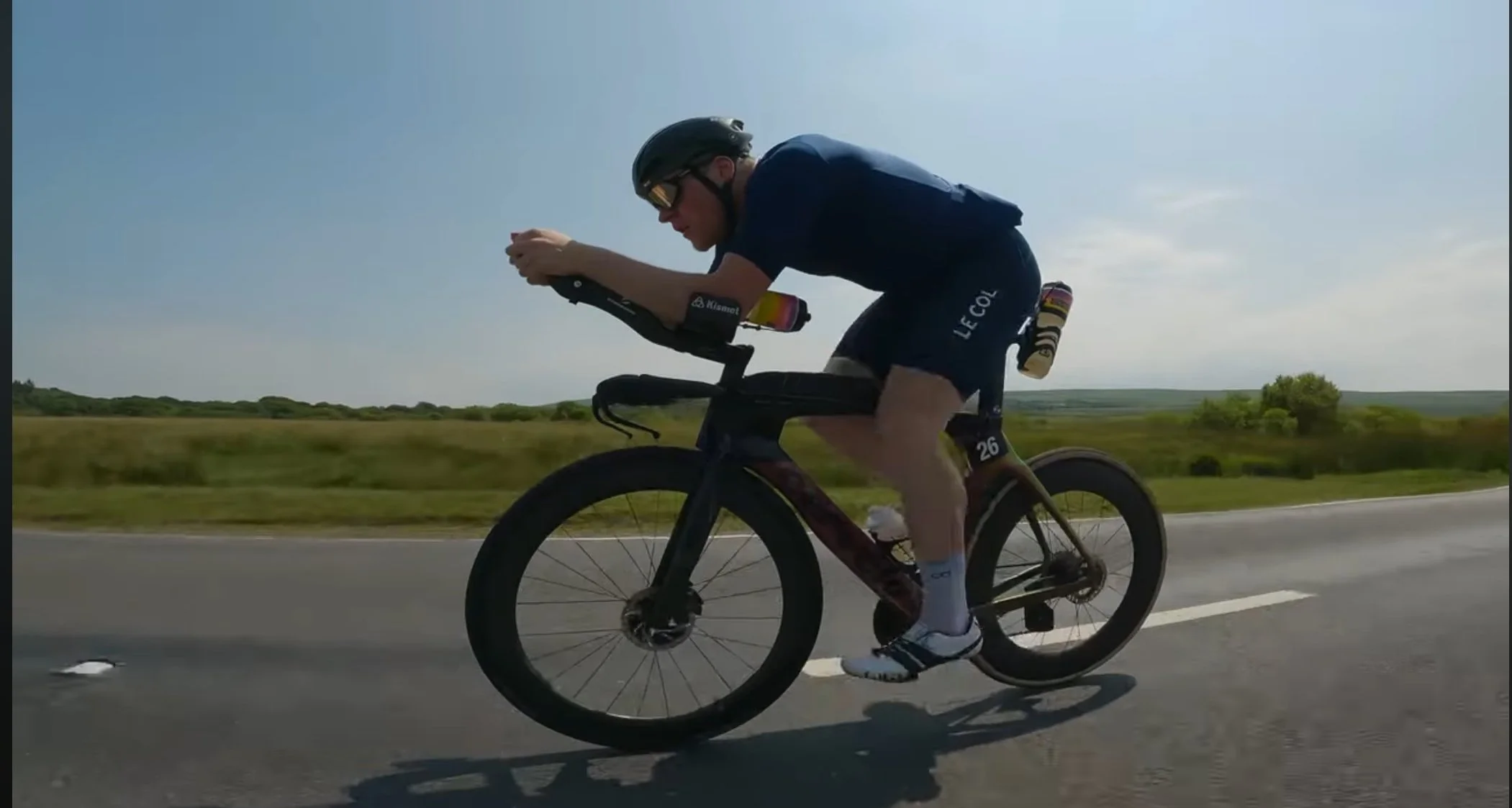
Best Ironman Nutrition Strategy
A smart Ironman nutrition strategy can make or break your race. Learn how to fuel correctly for the swim, bike, and run with practical advice from Frederick Webb Triathlon and Precision Fuel & Hydration.
An Ironman is not simply a fitness test. It is an energy management challenge. Many athletes arrive at the start line fit enough to complete the race but fail to execute their nutrition correctly. Poor fueling is one of the biggest reasons athletes slow dramatically, cramp, struggle mentally, or fail to finish strong.
At Frederick Webb Triathlon, nutrition is treated as seriously as swim, bike, and run training. The best Ironman nutrition strategy is not about copying professional athletes or eating as much as possible. It is about creating a personalised fueling plan that your body can consistently absorb under race stress.
When nutrition is dialled in correctly, athletes maintain stronger pacing, clearer thinking, and better energy throughout the day.
Why Ironman Nutrition Matters
An Ironman pushes the body for anywhere between 9 and 17 hours. Your body cannot store enough carbohydrate to fuel the entire race without external intake.
Even highly trained athletes only store around 90 minutes to two hours of glycogen at high intensity. Once energy stores become depleted, performance drops rapidly.
This is commonly known as “hitting the wall” or “bonking.”
A proper Ironman nutrition strategy helps you:
Maintain stable energy levels
Avoid major pace drops
Improve recovery during the race
Reduce cramping risk
Maintain focus and decision-making
Protect the stomach under stress
Improve overall race performance
The goal is not simply to survive the race. The goal is to fuel consistently enough to perform well from start to finish.
Your Ironman Nutrition Plan Starts in Training
One of the biggest mistakes athletes make is practising nutrition only on race day.
Your gut can actually be trained just like your muscles. During long rides and brick sessions, the digestive system adapts to processing carbohydrate while exercising.
At Frederick Webb Triathlon, athletes test nutrition during training repeatedly so there are no surprises on race day.
Training nutrition should include:
Race-specific carbohydrate intake
Electrolyte testing
Hydration strategies
Timing practice
Different weather conditions
Race-intensity fueling
Nothing new should be introduced during race week.
How Many Carbohydrates Do You Need?
Most Ironman athletes perform best consuming between 60-90 grams of carbohydrate per hour during the bike leg. Some experienced athletes may tolerate slightly more with gut training.
The bike is the best opportunity to fuel effectively because intensity is lower than the run and digestion is generally easier.
Trying to “catch up” on nutrition during the marathon almost never works.
Good carbohydrate sources include:
Energy drink mix
Gels
Chews
Bars
Bananas
Rice cakes
Sports drink combinations
Athletes sponsored by or using products from Precision Fuel & Hydration often benefit from a more personalised approach based on sweat and sodium loss.
Hydration Is More Than Drinking Water
Many athletes either under-drink or over-drink during Ironman racing.
Hydration is not just about replacing fluid. Sodium balance matters equally.
Sweat rates vary massively between individuals. Some athletes lose very little sodium, while others are extremely salty sweaters and require much higher intake.
Signs of poor hydration strategy include:
Cramping
Stomach problems
Dizziness
Sloshing stomach
Excessive thirst
Rapid pace decline
Most athletes should aim to drink to thirst while ensuring electrolyte intake matches conditions and sweat rate.
Hot races require significantly more sodium management than cooler UK conditions.
Pre-Race Nutrition Strategy
The final 24 hours before an Ironman should focus on topping up glycogen stores without overeating.
Avoid massive “cheat meals” or excessive fibre intake.
A good pre-race strategy includes:
Higher carbohydrate meals
Moderate protein
Low-fat foods
Familiar meals
Consistent hydration
Controlled sodium intake
Race morning should include a carbohydrate-rich breakfast approximately 3-4 hours before the start.
Examples include:
Porridge with honey
Toast and jam
Bagels
Rice pudding
Banana
Sports drink
The aim is calm, familiar fueling — not experimentation.
Swim Nutrition Considerations
You cannot fuel during the swim, which makes pre-race preparation important.
Many athletes consume:
A final gel 10-15 minutes before the start
Electrolyte drink before entering transition
Small caffeine dose if tolerated
The swim should feel controlled and aerobic to preserve energy and reduce stress hormones early in the day.
Bike Nutrition Strategy
The bike leg is where Ironman nutrition success is built.
Athletes should aim for:
Consistent hourly carbohydrate intake
Small regular feeding intervals
Steady hydration
Controlled pacing to protect digestion
A common mistake is overeating early due to adrenaline.
Instead, keep fueling calm and structured from the beginning.
For example:
Sip carbohydrate drink every 10-15 minutes
Take gels regularly
Use aid stations strategically
Monitor fluid intake based on weather
Many athletes find liquid calories easier to tolerate late in the bike.
Marathon Nutrition Strategy
The Ironman marathon is where pacing and nutrition mistakes become exposed.
Stomach tolerance often decreases during the run due to rising intensity and reduced blood flow to digestion.
Simpler fueling usually works best:
Gels
Cola
Sports drink
Water
Small amounts frequently
Do not wait until you feel weak to fuel.
Energy problems usually begin 20-30 minutes before symptoms appear.
Common Ironman Nutrition Mistakes
Starting Too Aggressively
High intensity early in the race reduces digestive efficiency.
Not Testing Nutrition
Race-day experimentation often leads to stomach issues.
Overdrinking
Too much water without sodium can be dangerous.
Underfueling Early
Athletes often realise too late they are behind on calories.
Ignoring Sodium Intake
Particularly important in warm conditions.
Copying Other Athletes
Nutrition is highly individual.
Nutrition and Pacing Work Together
Even the best nutrition strategy cannot save poor pacing.
Overbiking early in the race dramatically increases carbohydrate burn and digestive stress.
At Frederick Webb Triathlon, pacing and nutrition are coached together because both systems directly affect each other.
Athletes who pace correctly usually absorb nutrition better and finish stronger.
Final Thoughts
The best Ironman nutrition strategy is simple, practised, and personalised.
There is no perfect universal plan. The key is understanding your body, training your gut, and creating a fueling strategy that supports consistent energy across the entire race.
Ironman rewards athletes who stay controlled, patient, and disciplined — not just physically, but nutritionally.
Frederick Webb Triathlon helps athletes build race-ready nutrition and hydration strategies tailored for Ironman success, whether preparing for a first finish or chasing Age Group qualification.