

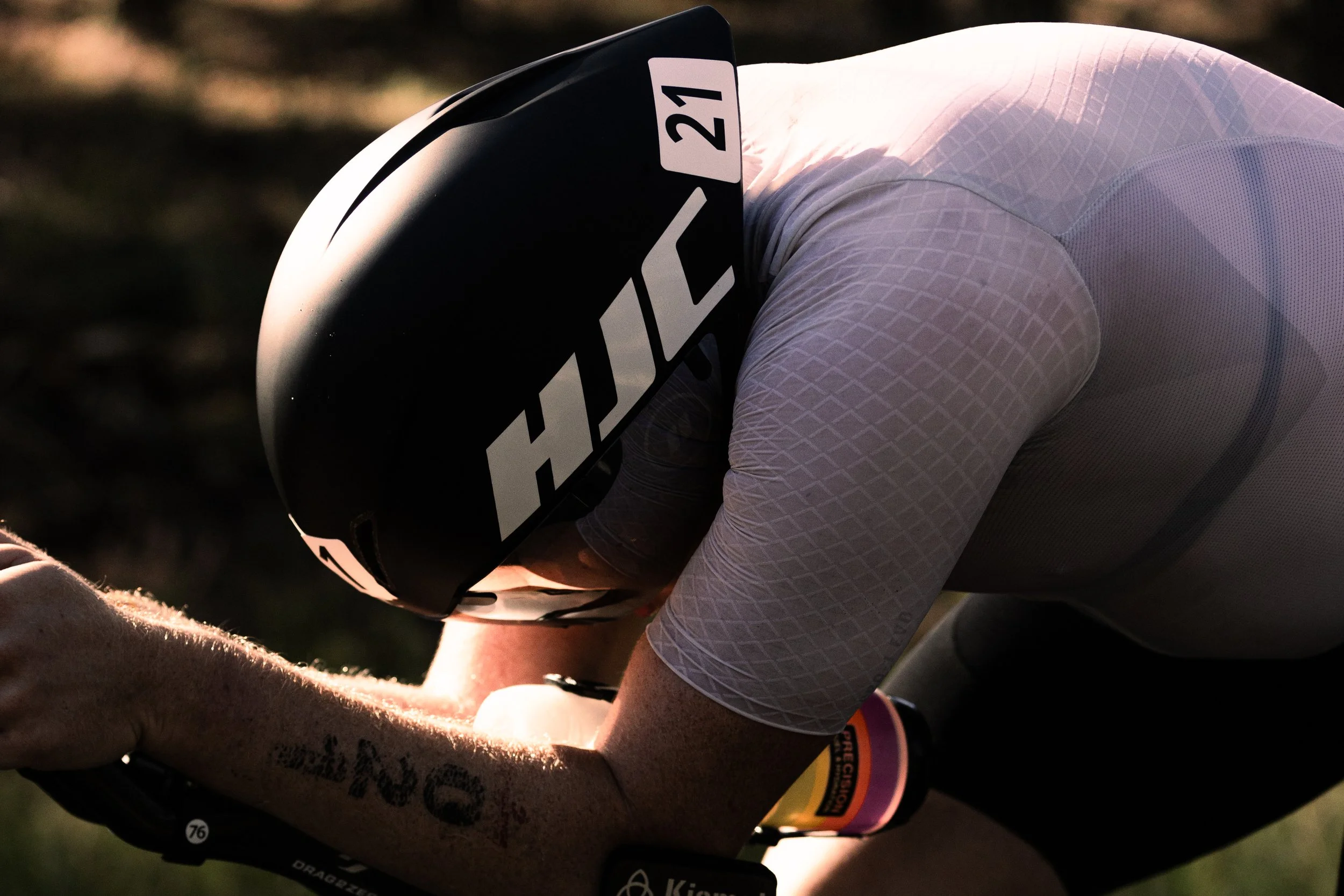
Core Strength for Faster Swimming, Cycling and Running
Most triathletes think core training is about getting stronger abs. In reality, a strong core helps transfer power, improve efficiency and maintain technique across swimming, cycling and running. Discover why core strength matters and how it can help you become a faster, more resilient triathlete.
Ask a group of triathletes what they think core training is and you'll often hear the same answers:
"Planks."
"Sit-ups."
"Ab exercises."
While those exercises can have a place, they barely scratch the surface of what core strength actually means.
For triathletes, core strength is not about having visible abs or completing endless crunches.
It's about creating a stable platform that allows you to swim more efficiently, ride more powerfully and run more economically.
At FrederickWebbTriathlon, core training forms an important part of many athletes' strength programmes because the benefits extend far beyond the gym.
A stronger core won't magically knock minutes off your race time overnight.
But it can help you transfer power more effectively, maintain technique under fatigue and reduce the risk of performance-limiting injuries.
In a sport where efficiency matters, those benefits add up.
What Is Your Core?
Many people think the core refers only to the abdominal muscles.
In reality, the core is a much larger system.
It includes muscles around the:
Abdomen
Lower back
Pelvis
Hips
Deep stabilising muscles of the trunk
Together, these muscles help stabilise the body and transfer force between the upper and lower body.
Think of the core as the bridge connecting everything together.
Without a strong bridge, power leaks occur.
And in endurance sport, small leaks repeated thousands of times can significantly impact performance.
Why Core Strength Matters for Triathletes
Triathlon is all about efficiency.
The athlete who wastes the least energy often performs best.
A strong and stable core helps:
Maintain posture
Transfer force efficiently
Improve movement quality
Resist fatigue
Support breathing mechanics
Reduce unnecessary movement
These qualities influence all three disciplines.
Let's look at each one individually.
Core Strength for Faster Swimming
Swimming is often where core strength has the most obvious impact.
Many swimmers focus heavily on their arms and shoulders.
But the reality is that swimming is a whole-body movement.
A strong core helps you:
Maintain a Better Body Position
One of the biggest causes of drag in swimming is poor body alignment.
When the hips and legs drop, resistance increases.
A strong core helps maintain a more streamlined position in the water.
Less drag means greater efficiency.
And greater efficiency means more speed for the same effort.
Improve Rotation
Efficient freestyle swimming relies on controlled body rotation.
Core muscles help transfer force between the upper and lower body during each stroke.
Better rotation often leads to:
Improved stroke mechanics
Better catch position
More effective propulsion
Maintain Technique Under Fatigue
Many athletes swim well at the start of a session but lose technique as fatigue develops.
Core endurance helps maintain posture and body control when tired.
This can be particularly valuable during open-water swimming and long-distance races.
Core Strength for Faster Cycling
Cycling may appear to be a leg-dominant sport.
But core strength plays a significant role in power production and efficiency.
Creating a Stable Platform
Your legs generate power.
Your core helps transfer that power into the bike.
Without adequate stability, some of that force can be lost through unnecessary movement.
A stronger core provides a more stable platform from which the legs can work.
Maintaining an Aero Position
Triathletes spend significant time in aerodynamic positions.
Holding this position requires more than flexibility.
It requires strength.
A weak core can make it difficult to maintain an efficient aero position for prolonged periods.
The result may be:
Reduced comfort
Increased fatigue
Poorer aerodynamics
A stronger core can help athletes stay comfortable and efficient for longer.
Reducing Upper-Body Fatigue
A stable torso allows the upper body to remain relaxed while riding.
This can improve comfort during long rides and Ironman events.
Core Strength for Faster Running
Running economy is one of the most important predictors of endurance performance.
Core strength can contribute to improved running economy in several ways.
Better Posture
As fatigue builds during a run, posture often deteriorates.
Athletes may:
Slouch
Over-rotate
Lose stability
A stronger core helps maintain posture and movement quality.
Improved Force Transfer
Running involves transferring force through the body with every stride.
A stable trunk can improve the efficiency of this process.
While core training won't suddenly transform your running pace, improved force transfer can contribute to better movement efficiency over time.
Reduced Excessive Movement
Unnecessary movement wastes energy.
Core strength can help minimise excessive side-to-side movement and improve control.
Small improvements in efficiency become increasingly valuable over long distances.
Core Strength and Injury Prevention
One of the most overlooked benefits of core training is injury resilience.
A strong core helps athletes maintain control during repetitive movement.
This may reduce excessive loading in other areas such as:
Lower back
Hips
Knees
Core training should never be viewed as a guarantee against injury.
However, it can form an important part of a wider strength and conditioning programme designed to improve robustness.
The Biggest Core Training Mistake
Most triathletes make the same mistake:
They focus exclusively on movement.
Hundreds of sit-ups.
Endless crunches.
Constant twisting exercises.
The core's primary role is often to resist movement rather than create it.
This is why exercises such as planks and anti-rotation movements are often valuable.
The goal isn't simply to move your trunk.
It's to control it.
The Best Core Exercises for Triathletes
There is no single perfect exercise.
However, some movements consistently provide excellent value for triathletes.
Plank Variations
Simple but effective.
Planks develop trunk stability and endurance.
Side Planks
Excellent for lateral stability and hip control.
Dead Bugs
Great for developing coordination and trunk control.
Pallof Presses
A highly effective anti-rotation exercise.
Bird Dogs
Develop stability while challenging balance and coordination.
Loaded Carries
One of the most underrated exercises available.
Carries develop whole-body stability and core strength simultaneously.
Farmer's Walks
Particularly useful for improving postural control and resilience.
More Core Training Isn't Always Better
Some athletes assume they need to train their core every day.
Usually, they don't.
Core training should complement your overall programme.
For most triathletes, two to three focused sessions per week are more than sufficient.
Remember:
Quality matters more than quantity.
A well-designed 10-minute core routine often provides more benefit than 30 minutes of random exercises.
Core Strength Is Only Part of the Picture
A strong core alone won't make you a fast triathlete.
You still need:
Swim training
Bike training
Run training
Strength training
Recovery
Nutrition
Core work should support these areas rather than replace them.
Think of core training as improving the foundation that allows everything else to work more effectively.
How Core Training Fits Into a Triathlon Programme
At Frederick Webb Triathlon, core training is integrated into a broader strength and conditioning programme.
The goal is not simply to create stronger abdominal muscles.
The goal is to improve performance.
Core work is often combined with:
Strength exercises
Stability work
Mobility training
Injury prevention strategies
This ensures every exercise serves a clear purpose.
What Does the Research Say?
Research consistently shows that strength training can improve endurance performance when appropriately integrated into a triathlon programme.
Core training forms part of that wider picture.
While core exercises alone are unlikely to produce dramatic improvements, they can contribute to:
Better movement efficiency
Improved posture
Enhanced force transfer
Greater resilience
Combined with swim, bike and run training, these benefits can support long-term performance development.
Why Many Triathletes Ignore Core Training
Core training isn't glamorous.
You can't easily show it off on social media.
It doesn't produce impressive power numbers.
And it certainly isn't as exciting as a long ride or track session.
But many of the best athletes consistently include it because they understand its role in supporting performance.
The gains may be small individually.
Collectively, they matter.
Final Thoughts
Core strength isn't about six-pack abs.
It's about creating a stable, efficient athlete capable of transferring power effectively across swimming, cycling and running.
A stronger core can help:
✔ Improve swimming position and rotation
✔ Support aerodynamic cycling positions
✔ Enhance running posture and efficiency
✔ Reduce unnecessary movement
✔ Improve resilience and durability
Most importantly, it helps provide the foundation that allows your swim, bike and run training to be more effective.
At Frederick Webb Triathlon, strength and conditioning programmes are designed specifically for endurance athletes, ensuring every exercise contributes to better performance on race day.
Whether you're preparing for your first sprint triathlon, an Ironman, or targeting British Age Group qualification, developing a stronger core can be an important part of becoming a faster, more durable athlete.
Ready to train smarter and build a stronger foundation for performance? Get in touch with FrederickWebb Triathlon today.
FAQ: Core Strength for Triathletes
Does core training make you faster?
Core training alone is unlikely to produce dramatic improvements, but it can improve efficiency, posture and force transfer, all of which contribute to performance.
How often should triathletes train their core?
Most athletes benefit from two to three focused core sessions per week integrated into a wider strength programme.
Are planks enough for triathlon core training?
Planks are useful, but a complete programme should include a variety of stability and anti-rotation exercises.
Can core training help prevent injuries?
Core strength may improve movement control and resilience, making it a valuable component of an injury prevention strategy.
What is the best core exercise for triathletes?
There is no single best exercise. Planks, side planks, Pallof presses, dead bugs and loaded carries are all highly effective options.
How to Prevent Triathlon Injuries Through Strength Training
Injuries are one of the biggest barriers to triathlon progress. Discover how strength training can help prevent common triathlon injuries, improve durability, and keep you performing at your best.
One of the biggest myths in triathlon is that getting faster is all about doing more swimming, cycling, and running.
While sport-specific training is essential, there is one factor that often determines whether an athlete continues improving or spends months sidelined with injury:
Strength training.
The reality is simple.
You cannot get faster if you cannot train consistently.
And consistency is often the first thing to disappear when injuries start to appear.
At Frederick Webb Triathlon, we see many athletes who are motivated, committed, and training hard, but their progress is repeatedly interrupted by niggles, overuse injuries, and recurring pain.
In many cases, a structured strength programme could have significantly reduced the risk.
Strength training is not just about lifting heavier weights.
It is about building a body that can tolerate the demands of triathlon training.
Why Triathletes Get Injured
Triathlon combines three repetitive endurance sports.
Every week, athletes perform thousands of:
Swim strokes
Pedal revolutions
Running strides
This repetition creates training adaptations.
But it also creates stress.
If the body cannot tolerate that stress, injuries often develop.
Common causes include:
Sudden increases in training volume
Poor recovery
Muscle imbalances
Weakness in key muscle groups
Poor movement patterns
Lack of strength training
Many triathlon injuries are not caused by a single event.
They develop gradually over time.
The Real Goal of Strength Training
When most people think about strength training, they think about building muscle.
For triathletes, the goal is different.
Strength training should help you:
✔ Improve durability
✔ Reduce injury risk
✔ Improve movement quality
✔ Increase resilience to training load
✔ Support long-term performance
Think of strength work as insurance for your training.
The stronger and more resilient your body becomes, the more work it can handle safely.
Why Consistency Beats Perfection
The fastest athletes are not always the most talented.
They are often the healthiest.
Every injury creates a disruption.
You lose:
Training time
Fitness
Momentum
Confidence
A small injury can take weeks to recover from.
A major injury can derail an entire season.
Strength training helps reduce these interruptions.
And fewer interruptions mean more consistent progress.
Common Triathlon Injuries Strength Training Can Help Prevent
Runner's Knee
One of the most common complaints among triathletes.
Often linked to:
Weak glutes
Poor hip stability
Poor movement control
Strengthening the hips and glutes can improve knee alignment and reduce excessive stress.
Achilles Tendon Problems
High running volumes place significant stress on the Achilles tendon.
Calf strengthening exercises help improve tendon capacity and resilience.
IT Band Issues
While the IT band itself cannot be strengthened, improving hip and glute strength can often reduce the contributing factors.
Lower Back Pain
Particularly common in cyclists spending long hours in the aero position.
Core strength and posterior chain development often help athletes maintain posture more comfortably.
Shoulder Pain
Swimming thousands of strokes each week can expose weaknesses around the shoulder.
Strengthening the rotator cuff and upper back muscles helps support healthy shoulder mechanics.
Strength Training Builds More Resilient Tendons
Many athletes focus purely on muscles.
But tendons matter too.
Tendons connect muscles to bones and are responsible for transferring force.
Running, cycling, and swimming all place repeated stress on tendons.
Strength training helps tendons adapt and become more tolerant to load.
This is particularly important for:
Achilles tendons
Patellar tendons
Hamstring tendons
Stronger tendons often mean fewer overuse injuries.
The Importance of Hip Strength
If there is one area many triathletes neglect, it is the hips.
Strong hips contribute to:
Running efficiency
Knee stability
Pelvic control
Injury prevention
Weak hips often lead to compensations further down the chain.
This can increase stress on:
Knees
Calves
Ankles
Exercises such as:
Split squats
Step-ups
Single-leg deadlifts
Can be highly effective.
Core Strength Is More Than Six-Pack Abs
Many athletes still associate core training with endless sit-ups.
In reality, the core's role is to:
Stabilise the body
Transfer force
Maintain posture
A strong core helps:
During Swimming
Improves body position and reduces drag.
During Cycling
Supports a stable aero position.
During Running
Helps maintain efficient mechanics under fatigue.
Core training should focus on stability rather than endless repetition.
Single-Leg Strength Matters
Triathlon is largely a single-leg sport.
Every running stride involves supporting your body on one leg.
Yet many athletes only perform bilateral exercises.
Single-leg exercises improve:
Stability
Coordination
Balance
Strength symmetry
Examples include:
Split squats
Step-ups
Single-leg Romanian deadlifts
These movements often have excellent carryover to triathlon performance.
Strength Training Improves Movement Quality
Injury prevention is not just about becoming stronger.
It is about moving better.
Strength training can help athletes develop:
Better posture
Improved stability
Greater control
More efficient movement patterns
This often reduces unnecessary stress on joints and tissues.
How Often Should Triathletes Strength Train?
For most athletes:
Two sessions per week is ideal.
This provides enough stimulus to build resilience without creating excessive fatigue.
During:
Off-season: 2–3 sessions
Base phase: 2 sessions
Race season: 1–2 maintenance sessions
Consistency is more important than perfection.
A simple programme completed regularly is usually more effective than an advanced programme completed occasionally.
The Best Strength Exercises for Injury Prevention
Some of the most effective exercises include:
Squats
Build overall lower-body strength.
Romanian Deadlifts
Strengthen the posterior chain.
Split Squats
Improve single-leg stability.
Step-Ups
Develop functional leg strength.
Calf Raises
Support Achilles resilience.
Planks
Improve core stability.
Pallof Presses
Develop rotational control.
Band Shoulder Exercises
Support swim durability.
These exercises target many of the areas most commonly associated with triathlon injuries.
Common Strength Training Mistakes
Doing Too Much
More is not always better.
Excessive gym work can interfere with key endurance sessions.
Chasing Muscle Fatigue
The goal is durability, not exhaustion.
Ignoring Technique
Poor movement patterns can create new problems.
Being Inconsistent
Occasional gym sessions deliver limited results.
Consistency wins.
Stopping During Race Season
Maintenance strength work remains important year-round.
Final Thoughts
Injuries are one of the biggest obstacles to long-term triathlon success.
While no training method can eliminate injury risk completely, strength training is one of the most effective tools available.
A well-designed programme can help:
✔ Reduce injury risk
✔ Improve resilience
✔ Build stronger tendons and muscles
✔ Improve movement quality
✔ Support consistent training
And consistency is where real progress happens.
At Frederick Webb Triathlon, strength training is integrated into coaching programmes to help athletes stay healthy, train consistently, and perform at their best throughout the season.
Want to stay injury-free and unlock your triathlon potential? Get in touch with Frederick Webb Triathlon and discover how strength training can support your performance goals.
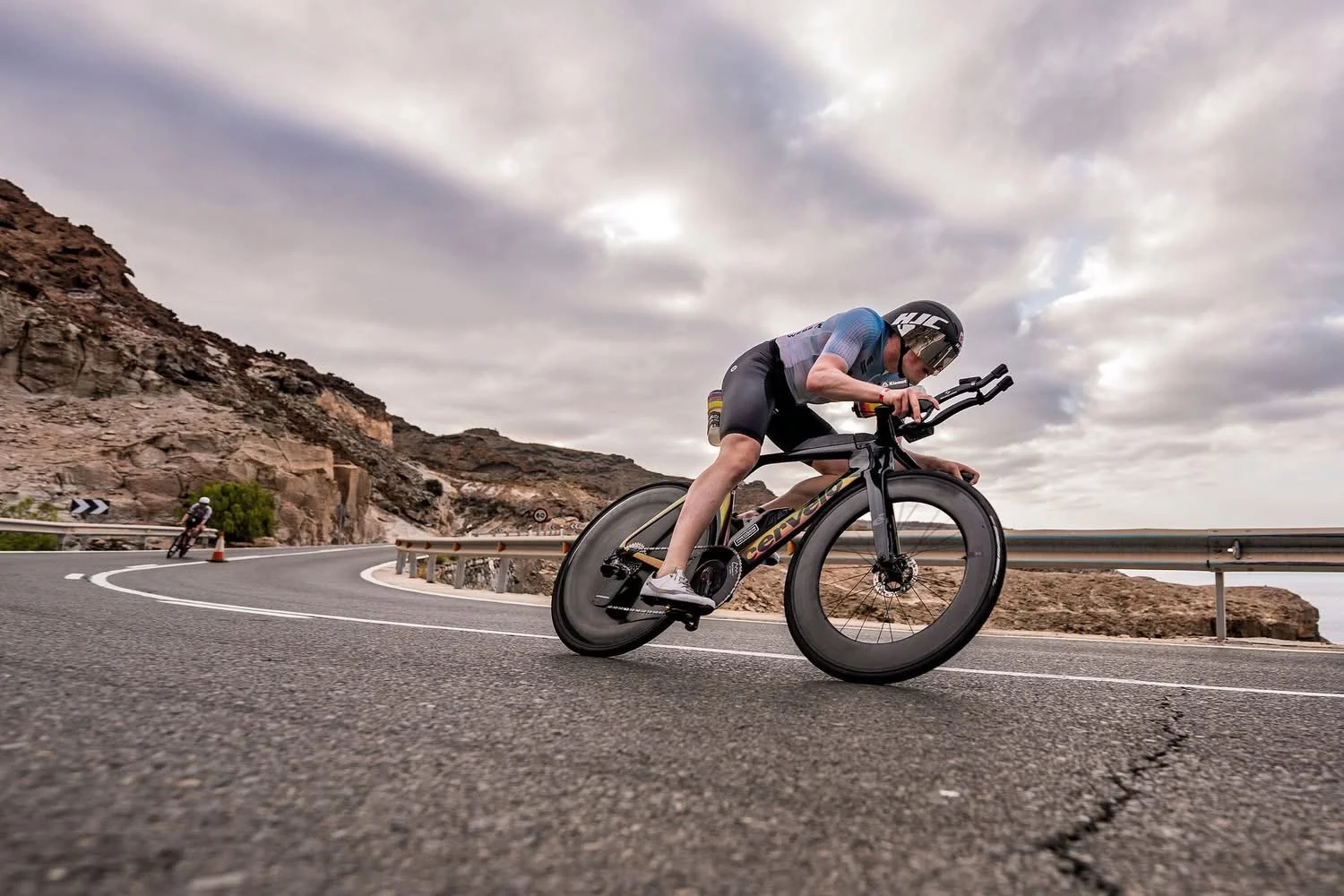
Strength Training for Beginner Triathletes: A Simple Guide to Getting Stronger, Faster & More Injury Resistant
New to triathlon and unsure where to start with strength training? Learn how beginner triathletes can build strength, prevent injuries, and improve swim, bike, and run performance without wasting hours in the gym.
When most people start triathlon, they focus on three things:
Swimming. Cycling. Running.
Which makes sense.
After all, triathlon is swim, bike, run.
But there is one area that many beginners ignore — often until injuries appear or progress slows:
Strength training.
The good news?
You do not need to spend hours in the gym.
You do not need complicated programmes.
And you definitely do not need to train like a bodybuilder.
In fact, for beginner triathletes, simple strength training can be one of the fastest ways to improve fitness, confidence, and performance.
At Frederick Webb Triathlon, we regularly help beginner athletes build smart, sustainable strength habits that support triathlon training — without becoming overwhelming.
Here is everything you need to know about strength training for beginner triathletes.
Why Strength Training Matters in Triathlon
Many beginners assume:
“I’ll just swim, bike, and run more.”
But triathlon places a huge amount of repetitive stress on the body.
Every session adds load to:
Muscles
Tendons
Joints
Ligaments
Without strength work, weaknesses often show up quickly.
This can lead to:
Knee pain
Tight hips
Lower back discomfort
Shoulder fatigue
Running injuries
Strength training helps build resilience.
It improves:
✔ Injury prevention
✔ Movement quality
✔ Posture
✔ Efficiency
✔ Confidence
Most importantly:
It helps you train consistently.
And consistency matters more than perfection in triathlon.
Will Strength Training Make Me Bulky?
This is probably the biggest beginner concern.
The short answer:
No.
Triathlon strength training is very different from bodybuilding.
The goal is not muscle size.
The goal is:
Better endurance
More efficiency
Injury resistance
Improved movement
You are training to become:
A stronger endurance athlete.
Most beginner triathletes actually feel:
More athletic
More stable
More powerful
Without major changes in body weight.
How Strength Training Makes You Faster
This surprises many new triathletes.
Strength training can actually improve speed.
Why?
Because stronger muscles produce force more efficiently.
This helps you:
Swim Better
Improved shoulder and core strength supports stronger technique and body position.
Bike Stronger
Stronger legs improve climbing, power output, and fatigue resistance.
Run Faster
Better strength improves running economy — meaning you use less energy at the same pace.
In simple terms:
You become more efficient.
Efficiency is one of the biggest performance advantages in triathlon.
How Often Should Beginner Triathletes Strength Train?
The answer is simple:
Twice per week.
That is enough for most beginners.
You do not need daily gym sessions.
You simply need consistency.
A good beginner structure could look like:
Monday
Strength session
Wednesday or Thursday
Strength session
Remaining Days
Swim, bike, run training
Keep it simple.
Overdoing strength training often leaves beginners too tired for endurance sessions.
The goal is balance.
The Best Strength Exercises for Beginner Triathletes
You do not need fancy gym machines.
The best exercises are simple and effective.
1. Squats
Great for:
Leg strength
Running power
Cycling efficiency
Beginners can start with:
Bodyweight Squats
Progress later to:
Goblet Squats
Focus on:
Good posture
Controlled movement
Quality repetitions
2. Split Squats
Triathlon is largely single-leg movement.
Split squats improve:
Balance
Stability
Running mechanics
They also expose weaknesses between sides.
Do not be surprised if one leg feels much harder.
That is normal.
3. Deadlifts (Light Technique Focus)
Deadlifts strengthen:
Hamstrings
Glutes
Core
Lower back
These muscles are essential for:
Cycling posture
Running power
Injury prevention
For beginners:
Romanian Deadlifts (RDLs)
Are often the safest place to start.
Technique matters more than heavy weights.
4. Glute Bridges
Many beginner triathletes have weak glutes from sitting at desks.
Weak glutes often contribute to:
Knee pain
Tight hips
Lower back discomfort
Glute bridges are simple and effective.
They help improve:
Running posture
Cycling strength
Hip stability
5. Planks
Core strength matters hugely in triathlon.
A stronger core improves:
Swim body position
Bike comfort
Running posture
Start simple:
Front Plank
Side Plank
Focus on quality rather than duration.
6. Calf Raises
Running places huge stress on the calves.
Calf strength helps reduce injury risk.
This is especially important for:
New runners
Half marathon training
Ironman preparation
Simple:
Standing Calf Raises
Can make a big difference over time.
7. Shoulder Stability Work
Swimming creates repetitive shoulder stress.
Simple resistance band exercises can improve:
Stability
Strength
Injury prevention
Good options:
External rotations
Band pull-aparts
Face pulls
Healthy shoulders = better swimming consistency.
Sample Beginner Triathlon Strength Session
Here is a simple beginner-friendly session:
Lower Body
Squats — 3 x 10
Split Squats — 3 x 8 each leg
Glute Bridges — 3 x 12
Core
Front Plank — 3 x 30 seconds
Side Plank — 3 x 20 seconds
Injury Prevention
Calf Raises — 3 x 15
Band Shoulder Work — 2 x 15
Total time:
30–45 minutes
That is enough.
Simple works.
Common Beginner Strength Training Mistakes
Doing Too Much Too Soon
You do not need heavy weights immediately.
Build gradually.
Chasing Fatigue
Strength training is not about being destroyed.
Good sessions should leave you feeling stronger — not ruined.
Ignoring Technique
Movement quality matters more than weight.
Poor technique increases injury risk.
Skipping Recovery
Recovery is where progress happens.
Sleep and nutrition matter.
Strength Training and Injury Prevention
One of the biggest reasons beginners quit triathlon is injury.
Usually because training volume increases too quickly.
Strength training acts like insurance.
It helps prepare your body for:
Running load
Cycling volume
Swim repetition
Strong athletes tend to stay healthier.
Healthy athletes train consistently.
Consistent athletes improve fastest.
Final Thoughts
If you are new to triathlon, strength training may feel intimidating.
But it does not need to be complicated.
Start simple.
Stay consistent.
Focus on:
✔ Movement quality
✔ Injury prevention
✔ Basic strength
✔ Sustainable progress
Remember:
You do not need to become a gym athlete.
You simply need to become a stronger triathlete.
At Frederick Webb Triathlon, we help beginner athletes build smart training plans that combine swim, bike, run, and strength work to improve confidence, performance, and long-term consistency.
Whether you are preparing for your first sprint triathlon or building towards longer races, the right strength training can transform your progress.
Want help building a beginner-friendly triathlon plan? Get in touch with Frederick Webb Triathlon and start training with confidence.
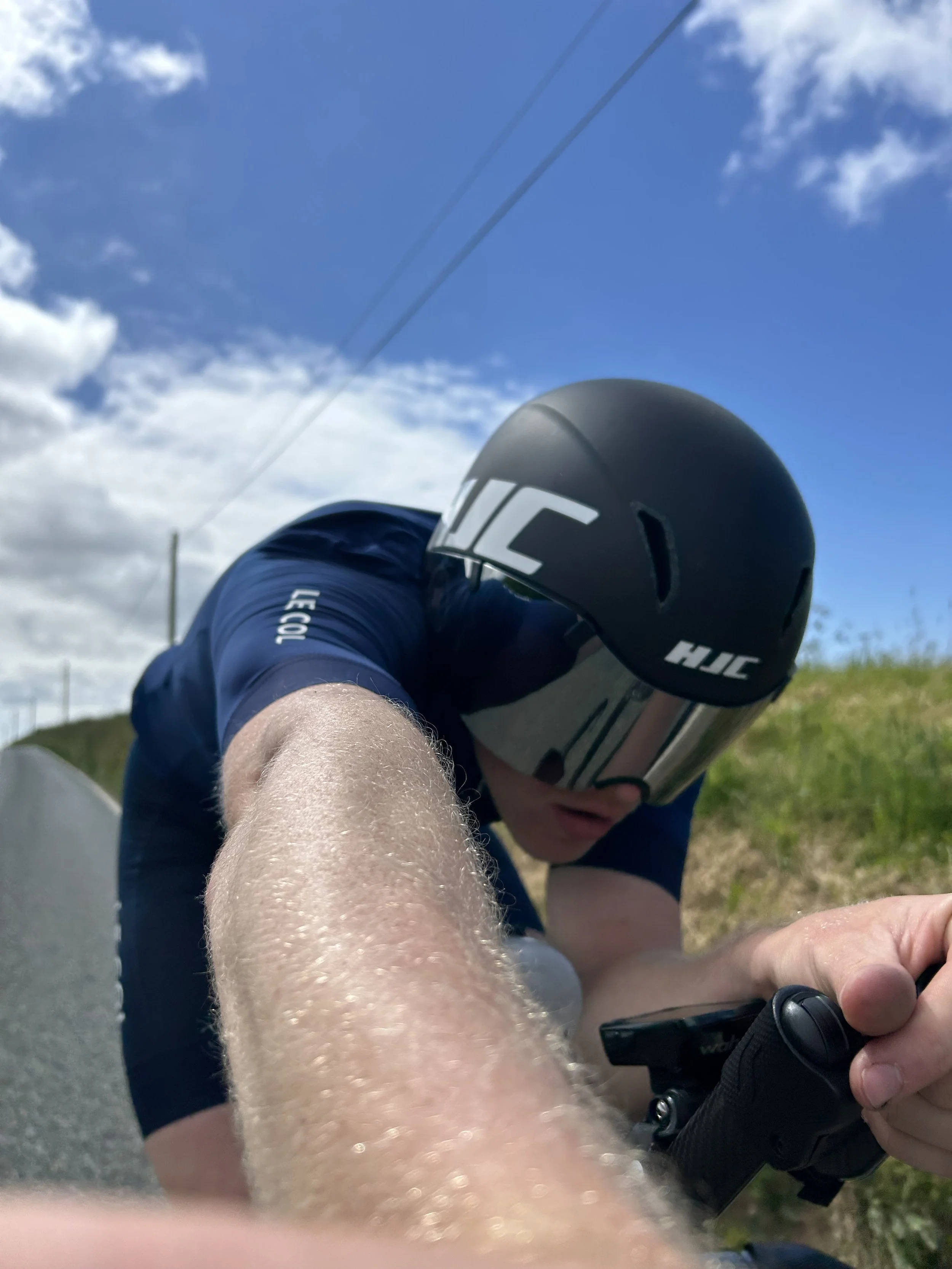
Gym Work for Ironman Athletes: Why Strength Training Matters for Long-Distance Triathlon
Should Ironman athletes go to the gym? Absolutely. Learn how smart gym work improves endurance, resilience, power, and race performance without compromising swim, bike, and run training.
Training for an Ironman is one of the biggest physical challenges in sport.
With a 3.8km swim, 180km bike, and marathon run, success depends on far more than fitness alone.
You need:
Endurance
Durability
Resilience
Efficiency
Injury resistance
Yet one of the most overlooked performance tools among endurance athletes is:
Gym work.
Many Ironman athletes still believe strength training will:
Make them bulky
Leave their legs tired
Hurt endurance performance
Or they simply think:
“I don’t have time because I already train so much.”
The reality?
Done correctly, gym work can be one of the most effective ways to improve Ironman performance.
At Frederick Webb Triathlon, strength and conditioning plays an important role in helping athletes stay healthy, train consistently, and race stronger over long-course distances.
So let’s break down why gym work for Ironman athletes matters and how to do it properly.
Why Ironman Athletes Need Strength Training
Ironman racing is not just about fitness.
It is about maintaining performance when fatigue becomes extreme.
Late in an Ironman, posture breaks down.
Technique fades.
Muscles fatigue.
This is where strength becomes critical.
Gym work helps improve:
✔ Durability
✔ Movement quality
✔ Running economy
✔ Cycling posture
✔ Swim efficiency
✔ Injury prevention
Most importantly:
It helps you keep moving well when tired.
And in Ironman, fatigue management matters.
Strength Helps You Stay Injury-Free
One of the biggest reasons athletes fail to reach the start line is injury.
Ironman training places huge repetitive stress on the body.
You are asking muscles and joints to tolerate:
High running mileage
Long bike rides
Large swim volume
Without resilience, weaknesses quickly show up.
Common Ironman injuries include:
Achilles pain
IT band issues
Knee pain
Hip tightness
Lower back discomfort
Shoulder irritation
Strength training helps reduce risk by improving:
Joint stability
Tissue resilience
Movement control
Muscular balance
Healthy athletes train consistently.
Consistent athletes improve faster.
Stronger Athletes Ride Better
The bike leg is where Ironman races are often won or lost.
A stronger athlete can:
Hold power longer
Climb more efficiently
Stay aero for longer
Resist fatigue late in the ride
Strength training improves:
Lower-body force production
This means:
Better pedalling efficiency
Improved muscular endurance
Reduced fatigue accumulation
Strong glutes, hamstrings, and core muscles help athletes maintain stable posture for hours.
Anyone who has struggled with lower back pain during long rides knows how valuable this becomes.
Strength Improves Ironman Running
Running a marathon after cycling 180km is very different from running fresh.
The biggest challenge?
Maintaining form under fatigue.
Strength work improves:
Running economy
Stride efficiency
Muscular endurance
Stability
This means:
You use less energy at the same pace.
Late-race running often becomes a battle of resilience.
Strong athletes tend to:
Hold posture better
Maintain cadence
Reduce breakdown in mechanics
Which usually means:
Faster marathon splits.
Swimming Benefits Too
Many athletes underestimate the role of gym work in swimming.
Efficient swimming requires:
Core control
Rotational strength
Shoulder stability
Upper-body endurance
Strength work improves:
Body position
Pull power
Stroke efficiency
This becomes particularly valuable in longer races where conserving energy matters.
Remember:
In Ironman, the swim is only the beginning.
Swimming efficiently saves valuable energy for the bike and run.
The Biggest Gym Myth for Ironman Athletes
Many endurance athletes still worry:
“Will strength training make me bulky?”
The answer is:
No — not when done correctly.
Ironman-specific gym work focuses on:
Strength
Stability
Injury prevention
Efficiency
Not bodybuilding.
You are not training for muscle size.
You are training for:
Durability and performance.
Most athletes simply become:
Stronger
More robust
More efficient
Without unnecessary weight gain.
The Best Gym Exercises for Ironman Athletes
The goal is functional strength.
Not fancy workouts.
Not endless machines.
Just effective movements.
1. Squats
Build:
Leg strength
Stability
Cycling power
Great for:
Climbing strength
Running posture
2. Romanian Deadlifts (RDLs)
Excellent for:
Hamstrings
Glutes
Posterior chain strength
Helps:
Prevent injuries
Improve running mechanics
3. Split Squats
Brilliant for:
Single-leg balance
Running efficiency
Hip stability
Especially useful for endurance athletes.
4. Step-Ups
Great race-specific movement.
Useful for:
Climbing power
Running mechanics
Stability
5. Core Work
Ironman posture matters.
Focus on:
Planks
Pallof press
Dead bugs
Farmer carries
Avoid endless crunches.
Stability matters more.
6. Shoulder Stability Exercises
Protect your swim engine.
Examples:
Band external rotations
Face pulls
Resistance band work
Healthy shoulders matter when swimming large volumes.
7. Calf Strength Work
Critical for marathon durability.
Simple:
Standing calf raises
Single-leg calf raises
Huge return for runners.
How Often Should Ironman Athletes Go to the Gym?
For most athletes:
2 sessions per week is ideal.
More is rarely necessary.
The aim is:
Support training
Reduce injury risk
Maintain strength
Without excessive fatigue.
Off-Season
2–3 sessions weekly.
Build Phase
2 sessions weekly.
Peak Race Build
1–2 maintenance sessions.
Race Week
Minimal activation only.
As training volume rises, gym fatigue should reduce.
Sample Ironman Gym Session
Strength
Squats — 3 x 6–8
Romanian Deadlifts — 3 x 8
Split Squats — 3 x 8 each side
Stability
Step-Ups — 3 x 10
Core
Plank — 3 x 30 sec
Pallof Press — 3 x 10
Injury Prevention
Calf Raises — 3 x 15
Shoulder Band Work — 2 x 15
Time required?
45–60 minutes
That is enough.
Simple beats complicated.
Common Ironman Strength Training Mistakes
Doing Too Much
More gym is not always better.
Training Like a Bodybuilder
You are training for endurance performance.
Lifting Too Heavy During Peak Training
Race build = maintain strength, not chase gains.
Ignoring Recovery
Sleep and fuelling matter.
Completely Stopping Gym Work
Maintenance matters during race season.
Final Thoughts
Ironman success is not just about endurance.
It is about staying strong when fatigue hits.
Smart gym work helps you:
✔ Stay injury-free
✔ Swim more efficiently
✔ Ride stronger
✔ Run better off the bike
✔ Maintain posture under fatigue
You do not need endless hours in the gym.
You just need smart, consistent strength work.
At Frederick Webb Triathlon, we build personalised Ironman coaching plans that combine swim, bike, run, and strength training to improve performance while keeping athletes healthy and consistent.
Whether you are training for your first Ironman or chasing a PB, the right gym programme can make a huge difference.
Want an Ironman training plan that includes smart strength work? Get in touch with Frederick Webb Triathlon and start training smarter today.
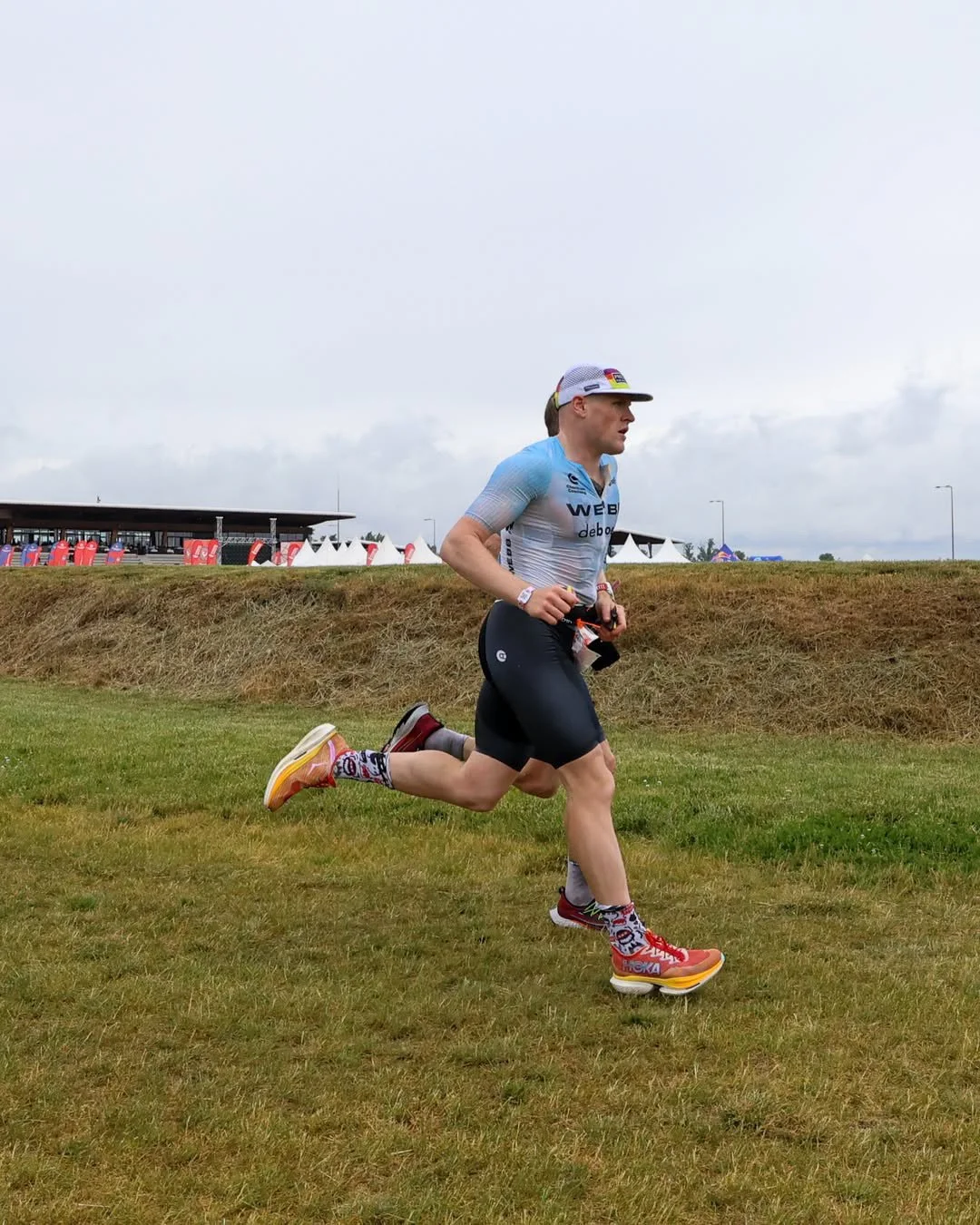
How Often Should Triathletes Lift Weights? The Complete Strength Training Guide
How many days per week should triathletes lift weights? Learn the ideal strength training schedule for triathlon performance, injury prevention, and race success without overtraining.
One of the most common questions triathletes ask is:
“How often should I lift weights?”
Some athletes avoid strength training altogether because they worry it will leave them too tired for swimming, cycling, and running.
Others go too far in the opposite direction — spending hours in the gym and wondering why their endurance performance stalls.
So what is the right answer?
The truth is:
Most triathletes do not need more gym work. They need smarter gym work.
Strength training is one of the most effective ways to improve triathlon performance, reduce injury risk, and build long-term durability — but only when done properly.
At Frederick Webb Triathlon, we help athletes combine swim, bike, run, and strength training in a way that supports performance rather than creating unnecessary fatigue.
So let’s answer the big question:
How Often Should Triathletes Lift Weights?
For most triathletes:
2 strength sessions per week is ideal.
This is enough to:
✔ Improve strength
✔ Increase durability
✔ Reduce injuries
✔ Improve running economy
✔ Maintain muscle balance
✔ Support better posture and movement
Without negatively impacting endurance training.
However:
The ideal amount changes depending on:
Experience level
Race distance
Time of year
Training volume
Recovery ability
Injury history
There is no single answer for everyone.
But there are smart guidelines.
Beginner Triathletes: 2 Sessions Per Week
If you are new to triathlon, the goal is simple:
Build resilience.
Beginner triathletes often experience:
Tight hips
Running injuries
Weak glutes
Poor mobility
Muscle imbalances
Strength work helps prepare the body for increased training load.
For beginners:
Recommended:
2 full-body sessions per week
Focus areas:
Basic movement quality
Stability
Core strength
Injury prevention
Sessions do not need to be long.
Even 30–45 minutes twice weekly can make a massive difference.
Simple works best.
Examples:
Squats
Split squats
Glute bridges
Deadlifts (light technique focus)
Planks
Calf raises
The goal is consistency, not exhaustion.
Intermediate Triathletes: 2–3 Sessions Per Week
Once training volume increases, strength training becomes more strategic.
Intermediate athletes often benefit from:
Off-Season:
2–3 sessions weekly
Race Build Phase:
2 sessions weekly
Peak Racing:
1–2 lighter maintenance sessions
At this stage, strength becomes about:
Maintaining power
Staying injury-free
Supporting performance
Not chasing muscle gain.
This is where many athletes make mistakes.
They continue lifting heavily while training volume rises.
The result?
Too much fatigue.
Performance drops.
Recovery suffers.
Balance matters.
Ironman Athletes: Less Is Often More
Long-course athletes often assume:
“I need loads of gym work.”
Actually:
Ironman athletes usually benefit from 2 well-planned sessions per week.
Why?
Because swim, bike, and run volume is already high.
Strength training should complement endurance work.
Not compete with it.
Typical Ironman approach:
Base Phase
2–3 strength sessions
Build Phase
2 sessions
Peak Race Preparation
1 light maintenance session
Race Week
Minimal activation and mobility only
The closer you get to race day, the lower the gym fatigue should become.
Your goal becomes:
Freshness over fitness gains.
What Happens If You Lift Too Much?
More is not always better.
One of the biggest mistakes triathletes make is trying to train like:
Endurance athletes
andPowerlifters
At the same time.
Too much strength work can cause:
Heavy legs
Reduced run quality
Poor recovery
Increased fatigue
Lower training consistency
Common warning signs include:
Constant soreness
Struggling to hit intervals
Feeling flat during key sessions
Persistent fatigue
Strength should support endurance.
If it harms swim, bike, or run quality, something needs adjusting.
When Should Triathletes Lift Weights?
Timing matters.
Many athletes ask:
“Should I lift before or after cardio?”
The answer depends on your goals.
Best Option: After Key Endurance Sessions
For most triathletes:
Strength training works best:
After harder sessions or separate days
Example:
Monday
Strength session
Tuesday
Bike intervals
Wednesday
Swim + easy run
Thursday
Strength session
Friday
Bike or run quality session
Weekend
Long endurance sessions
Why?
Because you preserve energy for key endurance workouts.
Hard days stay hard.
Easy days stay easy.
Heavy Weights or Light Weights?
Another common question.
The answer:
It depends on the season and athlete.
For most triathletes:
Off-Season
Heavier lifting works well.
Focus:
Strength development
Movement quality
Race Season
Lighter maintenance focus.
Goal:
Stay strong without excess fatigue
Important:
Triathlon strength training is not bodybuilding.
You do not need endless reps or gym exhaustion.
You need:
Quality movement
Smart loading
Consistency
The Best Strength Training Split for Triathletes
Most triathletes do best with:
Full-Body Sessions
Rather than body-part splits.
Avoid:
“Chest day”
“Arm day”
Bodybuilding-style training
Instead focus on:
Lower Body
For running and cycling strength.
Core Stability
For posture and efficiency.
Upper Body Pulling
For swimming performance.
Injury Prevention
Shoulders, calves, hips, glutes.
Simple sessions usually work best.
Example Weekly Strength Plan for Triathletes
Session 1
Lower Body Strength
Squats — 3 x 6–8
Romanian Deadlifts — 3 x 8
Split Squats — 3 x 8 each side
Core
Plank — 3 x 30 sec
Pallof Press — 3 x 10
Injury Prevention
Calf Raises — 3 x 15
Session 2
Strength + Stability
Step-Ups — 3 x 10
Hip Thrusts — 3 x 8
Single-Leg Deadlift — 3 x 8
Upper Body
Lat Pulldown — 3 x 10
Shoulders
Band Rotations — 2 x 15
Done.
Efficient.
Effective.
Should Triathletes Stop Strength Training During Race Season?
No.
But it should change.
One of the biggest mistakes athletes make is:
Completely stopping strength training.
This often leads to:
Loss of durability
Increased injury risk
Reduced stability
Instead:
Reduce volume.
Maintain quality.
Even one session per week can preserve strength during heavy training blocks.
Consistency wins.
Signs Your Strength Training Is Working
Good triathlon strength work should lead to:
✔ Better posture on the bike
✔ Improved running form
✔ Less injury niggles
✔ More stable swimming
✔ Better fatigue resistance
✔ Stronger finishes in races
What it should not do:
✘ Leave you constantly exhausted
✘ Destroy endurance quality
✘ Make legs permanently sore
Smart training feels sustainable.
Final Thoughts
So:
How often should triathletes lift weights?
For most athletes:
2 sessions per week is the sweet spot.
Enough to:
✔ Get stronger
✔ Stay healthy
✔ Improve performance
✔ Build resilience
Without harming endurance training.
The biggest mistake is believing strength work is optional.
Done properly, it is one of the highest-return investments you can make in your triathlon performance.
At Frederick Webb Triathlon, we help athletes combine personalised swim, bike, run, and strength programmes that improve performance while reducing injury risk — from beginner triathletes to Ironman athletes.
Want a personalised triathlon strength plan that actually fits around your training? Get in touch with Frederick Webb Triathlon and train smarter today.
The Best Strength Exercises for Triathletes: Get Stronger, Faster & More Durable
Want to get faster in triathlon? Discover the best strength exercises for triathletes to improve swimming, cycling, running efficiency, and injury resistance without wasting hours in the gym.
Many triathletes spend countless hours swimming, cycling, and running — yet completely overlook one of the most effective performance tools available:
Strength training.
The reality is simple:
If you want to become a faster, more resilient triathlete, strength work matters.
Done properly, triathlon-specific strength training can:
Improve swim, bike, and run performance
Reduce injury risk
Increase power and efficiency
Help maintain form under fatigue
Improve long-term consistency
But here is the important part:
Not all gym exercises are equally useful for triathlon.
You do not need bodybuilding workouts or endless machines.
Instead, triathletes benefit most from exercises that improve strength, movement quality, stability, and durability.
At Frederick Webb Triathlon, we focus on practical, performance-based strength work that supports endurance training rather than taking away from it.
Here are the best strength exercises for triathletes and why they matter.
1. Squats – Build Leg Strength and Power
Squats are one of the best exercises for triathletes because they develop overall lower-body strength.
They target:
Glutes
Quads
Hamstrings
Core stability
Benefits for triathlon include:
Improved bike power
Better climbing ability
More efficient running mechanics
Increased durability
Variations:
Goblet Squat
Ideal for beginners learning movement quality.
Back Squat
Builds maximal strength.
Front Squat
Encourages better posture and core control.
For triathletes, quality movement matters more than lifting heavy.
Technique first. Ego second.
2. Deadlifts – Improve Posterior Chain Strength
Deadlifts are hugely valuable for endurance athletes.
They strengthen the posterior chain, including:
Glutes
Hamstrings
Lower back
Core
Why this matters:
A weak posterior chain often contributes to:
Poor bike posture
Reduced run power
Low back discomfort
Early fatigue
Deadlifts help athletes maintain stronger posture across all three disciplines.
Great options include:
Romanian Deadlifts (RDLs)
Excellent for hamstring strength and injury prevention.
Trap Bar Deadlifts
A more triathlete-friendly option with reduced lower back stress.
Strength in the posterior chain often translates directly into better running mechanics.
3. Split Squats – Build Single-Leg Strength
Triathlon movement is largely single-leg dominant.
Running especially depends on unilateral strength.
Split squats are one of the best exercises for:
Stability
Balance
Running efficiency
Injury prevention
They help correct muscular imbalances between legs.
Bulgarian Split Squats
Particularly useful for:
Glute strength
Hip stability
Running power
These may look simple.
They are not.
Few exercises expose weakness faster.
4. Step-Ups – Specific Strength for Running and Climbing
Step-ups mimic many movement patterns seen in running and cycling.
Benefits include:
Hip strength
Glute activation
Knee control
Climbing power
This exercise works especially well for triathletes training for:
Hilly races
Ironman events
Trail triathlon
Control matters more than speed.
Drive through the foot and maintain posture.
5. Pull-Ups and Lat Pulldowns – Improve Swim Strength
Swimming efficiency relies heavily on upper-body pulling strength.
Pulling exercises help improve:
Swim propulsion
Shoulder strength
Posture
For many triathletes:
Lat Pulldowns
Are an excellent starting point.
More advanced athletes may benefit from:
Pull-Ups
These develop:
Lat strength
Grip strength
Core control
A stronger pull phase often improves swim efficiency significantly.
6. Rotational Core Work – Essential for Swimming and Running
Triathlon is rotational.
Swimming and running both depend heavily on rotational control.
Forget endless crunches.
Instead focus on:
Stability
Anti-rotation strength
Functional movement
Excellent options include:
Pallof Press
Improves core stability.
Cable Rotations
Builds controlled rotational strength.
Dead Bugs
Improve spinal control and posture.
A strong core helps preserve technique when fatigue builds.
7. Glute Strength Exercises – The Most Underrated Area
Weak glutes are extremely common in endurance athletes.
This often contributes to:
Knee pain
Hip tightness
Lower back issues
Reduced power output
Great glute exercises include:
Hip Thrusts
Excellent for power development.
Glute Bridges
Ideal for beginners.
Resistance Band Walks
Improve hip stability.
Stronger glutes usually mean:
Better run posture
More bike power
Reduced injury risk
8. Calf Strength Work – Crucial for Running Durability
Many triathletes neglect calf strength until injury strikes.
Your calves absorb huge amounts of load during running.
Weak calves increase risk of:
Achilles pain
Shin splints
Calf strains
Simple but effective:
Standing Calf Raises
Single-Leg Calf Raises
Build durability and resilience over time.
Especially important for:
Marathon training
Ironman preparation
Hilly running
9. Shoulder Stability Work – Protect Your Swim Engine
Triathletes put huge demands on shoulders.
Swimming volume can quickly expose weakness.
Good exercises include:
Resistance Band External Rotations
Face Pulls
Y-T-W Shoulder Movements
These help:
Improve posture
Reduce injury risk
Maintain healthy shoulders
Prehab matters.
Prevention beats rehab every time.
10. Core Stability Exercises – Better Posture, Better Performance
Strong core stability improves:
Swim alignment
Bike comfort
Running efficiency
Some of the best options:
Front Plank
Side Plank
Bird Dogs
Farmer Carries
Keep these controlled.
The goal is quality stability — not suffering for minutes.
How Often Should Triathletes Strength Train?
Most triathletes only need:
2 sessions per week
This is enough to improve:
Strength
Durability
Injury prevention
Efficiency
Without negatively affecting endurance training.
The biggest mistake?
Doing too much.
Strength should support triathlon — not dominate it.
A Simple Triathlon Strength Session Example
Lower Body Strength
Squats — 3 x 6–8
Romanian Deadlifts — 3 x 8
Split Squats — 3 x 8 each side
Core Stability
Pallof Press — 3 x 10
Side Plank — 3 x 30 seconds
Injury Prevention
Calf Raises — 3 x 15
Band Shoulder Work — 2 x 15
Simple.
Effective.
Sustainable.
Final Thoughts
Strength training is one of the highest-return investments a triathlete can make.
The right exercises help you:
✔ Swim more efficiently
✔ Ride stronger
✔ Run faster
✔ Stay injury-free
✔ Handle fatigue better
You do not need endless gym sessions.
You just need smart, consistent work.
At Frederick Webb Triathlon, we help athletes combine swim, bike, run, and strength training into personalised coaching plans designed for real performance gains — whether you are preparing for your first sprint triathlon or chasing an Ironman PB.
Want a triathlon strength plan tailored to your goals? Get in touch with Frederick Webb Triathlon and start training smarter today.
Why Strength Training Makes You Faster in Triathlon
Think strength training will slow you down or make you bulky? Think again. Discover why strength training is one of the most effective ways to improve triathlon speed, endurance, and injury resistance.
Many triathletes still believe strength training is optional.
Some worry it will make them bulky. Others think extra gym work will leave them tired for swimming, cycling, and running. And many simply believe that doing more endurance training is always the answer.
But here is the reality:
If you want to become a faster, stronger, and more resilient triathlete, strength training matters.
Whether you are training for your first sprint triathlon or targeting an Ironman personal best, smart strength training can improve speed, efficiency, power, and injury resistance across all three disciplines.
At Frederick Webb Triathlon, strength and conditioning is a key part of helping athletes unlock performance gains while staying healthy and consistent.
Here is exactly why strength training makes you faster in triathlon.
1. Strength Training Improves Power Output
The simplest reason strength training improves triathlon performance is this:
Stronger muscles produce more force.
This means:
More power on the bike
Better propulsion in the swim
Improved running efficiency
You do not need bodybuilder-level strength.
You simply need stronger muscles that can produce force efficiently for longer.
For example:
On the bike, increased leg strength can help you:
Climb hills more effectively
Hold higher power outputs
Maintain speed with less fatigue
In running, stronger muscles improve:
Stride efficiency
Running economy
Speed endurance
The goal is not muscle size.
The goal is performance efficiency.
2. It Improves Running Economy
One of the biggest benefits of strength training for triathletes is improved running economy.
Running economy refers to:
How much energy you use to maintain pace.
Efficient runners use less energy at the same speed.
Research consistently shows that strength training can improve:
Running form
Ground contact time
Power transfer
Fatigue resistance
This becomes especially valuable in triathlon where running happens after swimming and cycling.
Late-race fatigue exposes weaknesses quickly.
Stronger athletes maintain form better.
This means:
Faster run splits
Better pacing
Less breakdown in technique
Simply put:
A stronger athlete often becomes a faster runner — without necessarily running more miles.
3. Strength Training Helps Prevent Injuries
Consistency wins in triathlon.
The best training plan in the world means nothing if injuries constantly interrupt progress.
Triathlon places repetitive stress on the body:
Swimming shoulders
Cycling hips and lower back
Running knees, calves, and Achilles
Strength training helps build resilience.
By strengthening muscles, tendons, and connective tissue, you reduce injury risk.
Key benefits include:
Better joint stability
Improved movement quality
Reduced muscular imbalances
Increased durability
Common triathlon injuries often happen because certain muscles are weak or overloaded.
Strength work helps fix these weaknesses before they become problems.
At Frederick Webb Triathlon, we focus on strength programmes designed to support endurance performance — not leave athletes exhausted.
4. You Become More Efficient in the Swim
Many triathletes overlook how important strength is for swimming.
Efficient swimming requires:
Core stability
Shoulder strength
Upper body endurance
Rotational control
A stronger athlete maintains better body position in the water.
This reduces drag and improves efficiency.
Benefits of strength training for swimming include:
Stronger pull phase
Improved posture
Better stroke mechanics
Reduced fatigue
For long-distance racing like Ironman, swim efficiency saves valuable energy for the bike and run.
Remember:
The goal is not swimming harder — it is swimming smarter.
5. Stronger Core = Better Triathlon Performance
Your core is the link between swimming, cycling, and running performance.
Weak core muscles often contribute to:
Poor posture on the bike
Inefficient running form
Low back discomfort
Swim instability
A stronger core improves:
Power transfer
Stability
Efficiency
Fatigue resistance
In cycling, this helps you maintain an aerodynamic position longer.
In running, it helps preserve technique late in races.
In swimming, it improves body alignment.
The result?
Less wasted energy.
More speed.
6. Strength Training Helps You Handle Fatigue
Triathlon is not simply about fitness.
It is about maintaining performance under fatigue.
Strength training improves muscular endurance and resilience.
This matters when:
Legs feel heavy late in races
Climbing becomes difficult
Run form begins collapsing
Stronger muscles fatigue slower.
This means:
Better pacing
More consistent performance
Stronger finishes
One of the biggest differences between experienced and inexperienced triathletes is the ability to maintain form under fatigue.
Strength work helps build this.
7. It Can Actually Improve Recovery
This surprises many athletes.
Done correctly, strength training improves recovery capacity.
Stronger tissues tolerate higher training loads.
This means:
Better adaptation
Less soreness from endurance sessions
More resilience during hard blocks
The key is balance.
Too much gym work can interfere with endurance training.
Smart triathlon strength work complements swim, bike, and run training rather than competing with it.
8. You Do Not Need Endless Gym Sessions
Many athletes avoid strength work because they think it requires hours in the gym.
It does not.
For most triathletes:
2 focused sessions per week is enough.
Sessions should target:
Lower-body strength
Core stability
Single-leg balance
Mobility
Injury prevention
Simple exercises often work best.
Examples include:
Squats
Deadlifts
Split squats
Lunges
Step-ups
Glute work
Core exercises
The key is quality over quantity.
Consistency beats complexity.
9. Strength Training Does NOT Make You Bulky
One of the biggest myths in triathlon is:
“I’ll get too heavy.”
In reality:
Triathlon-specific strength training is designed for endurance athletes.
You are not training like a bodybuilder.
You are training for:
Power
Efficiency
Injury prevention
Endurance support
Most triathletes actually move better and feel stronger without significant weight gain.
Done correctly, strength work helps you become a more durable endurance athlete.
What Does a Good Triathlon Strength Plan Look Like?
A triathlon-specific strength plan should match:
Your race goals
Training phase
Experience level
Injury history
For example:
Off-Season
Higher strength focus.
Race Build Phase
Maintenance strength with reduced volume.
Race Week
Minimal fatigue and mobility focus.
This is why personalised coaching matters.
Final Thoughts
If you want to get faster in triathlon, simply adding more swim, bike, and run sessions is not always the answer.
Sometimes the biggest breakthrough comes from getting stronger.
Strength training helps you:
✔ Swim more efficiently
✔ Bike with more power
✔ Run faster for less effort
✔ Reduce injuries
✔ Maintain performance under fatigue
Most importantly:
It helps you train consistently.
And consistency is what drives long-term triathlon success.
At Frederick Webb Triathlon, we integrate smart strength and conditioning into personalised coaching programmes to help athletes improve performance, reduce injuries, and race stronger — from sprint distance to Ironman.
Want to become a stronger, faster triathlete? Get in touch with Frederick Webb Triathlon and start training smarter today.