

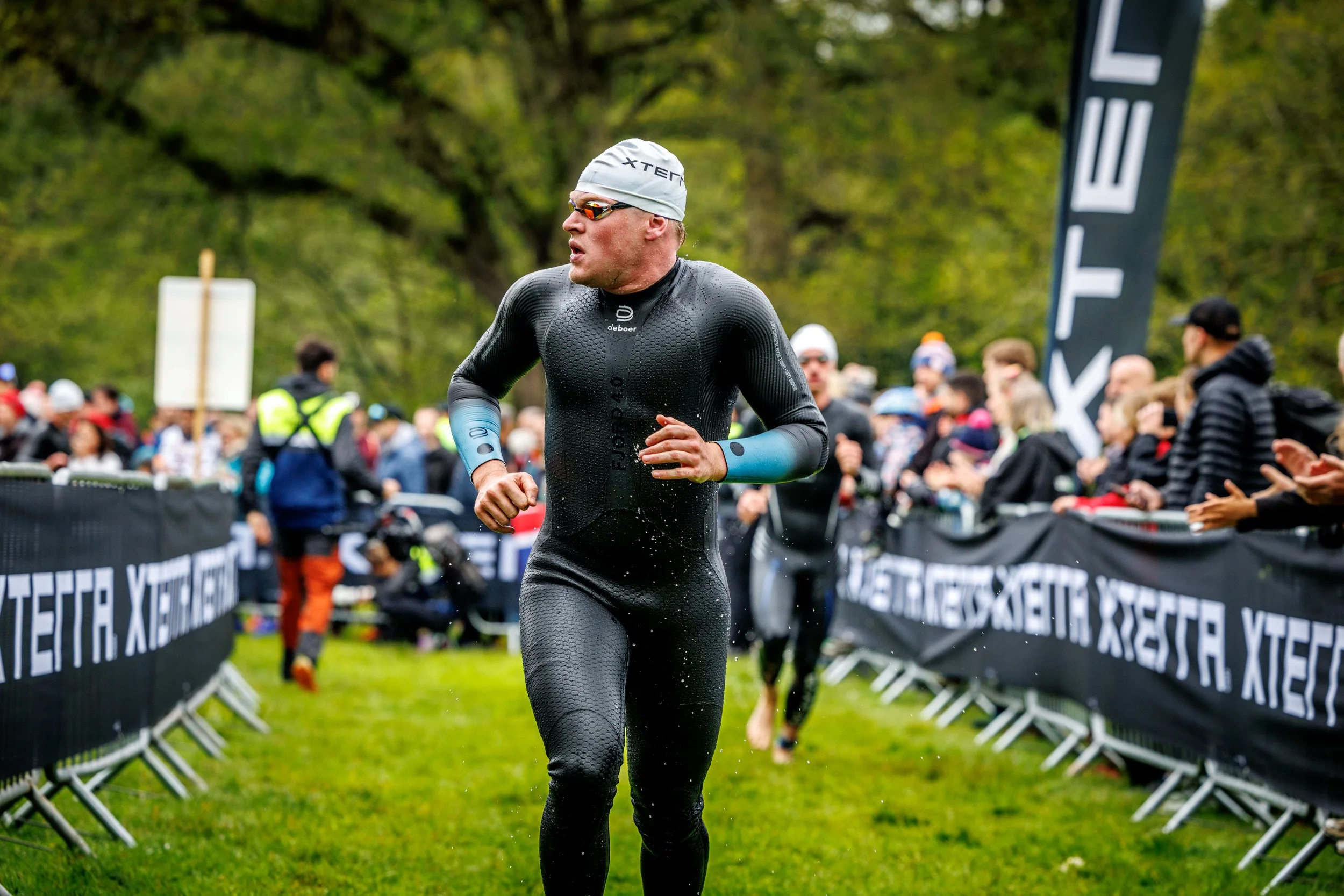
How to Swim Faster Without Getting Fitter
Think you need more fitness to swim faster? Think again. Learn how triathletes can dramatically improve swim speed through better technique, efficiency, and smarter training — without getting fitter.
If you want to swim faster, your first instinct is probably:
“I need to get fitter.”
Swim more.
Train harder.
Push harder intervals.
Get stronger lungs.
But here is the surprising truth:
Many triathletes can swim significantly faster without getting any fitter at all.
In fact, for beginner and intermediate swimmers, the biggest performance gains usually come from better technique — not better fitness.
Why?
Because swimming is unlike cycling or running.
In swimming, poor technique creates huge resistance.
You are moving through water, which is nearly 800 times denser than air.
Small inefficiencies cost massive amounts of energy.
At Frederick Webb Triathlon, one of the most common things we see is athletes trying to outwork poor technique.
The result?
They get fitter but barely get faster.
Instead, learning how to move through the water more efficiently can unlock dramatic gains with no extra fitness required.
Here is exactly how to swim faster without getting fitter.
The Secret: Reduce Drag Before Adding Fitness
Imagine trying to ride your bike with the brakes rubbing.
No matter how fit you get:
You are wasting energy.
Swimming works the same way.
Many swimmers are unknowingly creating resistance through:
Poor body position
Overkicking
Lifting the head
Bad breathing mechanics
Inefficient arm movement
Fixing these problems often leads to immediate improvements.
Before trying to swim harder:
Learn to swim smarter.
1. Fix Your Body Position
If your legs sink, swimming becomes dramatically harder.
This is one of the biggest reasons swimmers feel exhausted quickly.
The goal:
Become more streamlined.
Think about swimming:
Long, flat, and balanced.
Key tips:
Keep your head neutral
Look slightly downward
Keep hips near the surface
Engage your core
A simple head adjustment often lifts the hips naturally.
Less drag = more speed.
Without more fitness.
One useful cue:
“Press your chest slightly into the water.”
This helps hips rise naturally.
2. Stop Fighting the Water
Many triathletes swim aggressively.
They thrash.
Kick too hard.
Pull too forcefully.
Ironically:
This often slows them down.
Fast swimmers usually look calm.
Smooth.
Relaxed.
Water rewards rhythm.
Not force.
Try focusing on:
Relaxed shoulders
Smooth strokes
Controlled breathing
Consistent rhythm
The less tension you create:
The faster swimming tends to feel.
3. Improve Your Catch
One of the biggest speed gains comes from improving your catch phase.
This is where you “hold” the water.
Many swimmers accidentally push water downwards instead of backwards.
That wastes energy.
Instead:
Think about:
Holding the water and moving your body past it.
A good catch means:
High elbow position
Fingertips angled downward
Pressure through the forearm
More propulsion.
Less effort.
A better catch alone can instantly improve pace.
4. Breathe Better, Swim Faster
Poor breathing destroys rhythm.
Many swimmers:
Lift the head too much
Hold their breath underwater
Panic slightly when breathing
This creates drag and fatigue.
Instead:
Try to:
Rotate the body naturally
Keep one goggle in the water
Exhale continuously underwater
The goal is smooth breathing.
Not survival breathing.
A relaxed swimmer almost always swims faster.
5. Lengthen Your Stroke
One of the easiest ways to swim faster is improving distance per stroke.
This means travelling further every pull.
Rather than spinning the arms faster:
Try:
Reaching forwards slightly
Finishing the stroke fully
Rotating through the hips
Count strokes per length.
Can you swim the same speed with fewer strokes?
Usually:
Fewer, more effective strokes = greater efficiency.
6. Stop Overkicking
This surprises many triathletes.
Kicking harder does not always make you faster.
Often:
It simply spikes heart rate.
And wastes energy.
Especially in triathlon.
For most endurance swimmers:
A small relaxed kick works best.
Think:
Small movements
Relaxed ankles
Kick from hips
Minimal splash.
Maximum efficiency.
Save energy for the bike and run.
7. Improve Your Rotation
Freestyle swimming is not all arms.
Good swimmers rotate through:
Hips
Torso
Core
This creates:
Better reach
More power
Easier breathing
Without rotation:
Swimming becomes shoulder-dominant and tiring.
Think:
“Swimming side to side slightly.”
Not completely flat.
Rotation creates smoother, faster swimming.
8. Use Swim Drills Properly
Technique improvements happen through drills.
Not mindless laps.
Some of the best drills for swimming faster include:
Catch-Up Drill
Improves timing and extension.
Fingertip Drag Drill
Encourages high elbow recovery.
Single Arm Freestyle
Improves catch awareness.
Side Kick Drill
Improves balance and body position.
Even 10–15 minutes of drills per session can create noticeable gains.
9. Learn to Relax in the Water
This may be the biggest speed secret of all.
Many swimmers are too tense.
Tension creates:
Fatigue
Poor breathing
Reduced feel for water
Fast swimmers stay calm.
Relaxed.
Rhythmic.
A useful cue:
“Smooth is fast.”
Instead of forcing speed:
Focus on rhythm.
Swimming often becomes quicker naturally.
10. Get Technique Feedback
The truth?
Most swimmers cannot feel their own mistakes.
What feels normal may actually be inefficient.
A small technical correction can instantly improve:
Speed
Efficiency
Confidence
At Frederick Webb Triathlon, swim analysis regularly helps athletes improve pace without any major fitness gains.
Sometimes seconds per 100m disappear simply by:
Adjusting breathing
Fixing body position
Improving stroke timing
That is the power of technique.
Why This Matters Even More in Triathlon
Swimming harder is rarely the goal in triathlon.
Swimming smarter matters more.
Why?
Because you still need to:
Bike well
Run strong
An efficient swim means:
✔ Lower heart rate
✔ Less fatigue
✔ Better pacing
✔ More energy for later
The fastest overall triathlon performance is rarely won by overworking the swim.
Efficiency wins.
Final Thoughts
If swimming feels frustrating:
Do not assume fitness is the problem.
For many triathletes:
Technique is the biggest limiter.
Focus on:
✔ Better body position
✔ Smarter breathing
✔ Improved catch
✔ Relaxation
✔ More efficient movement
You may be surprised how much faster you become — without getting fitter.
At Frederick Webb Triathlon, we help triathletes improve swim confidence, efficiency, and speed through personalised coaching, swim analysis, and open water preparation around Bath, Bristol, and globally online.
Want to swim faster without wasting energy? Get in touch with Frederick Webb Triathlon and start swimming smarter today.
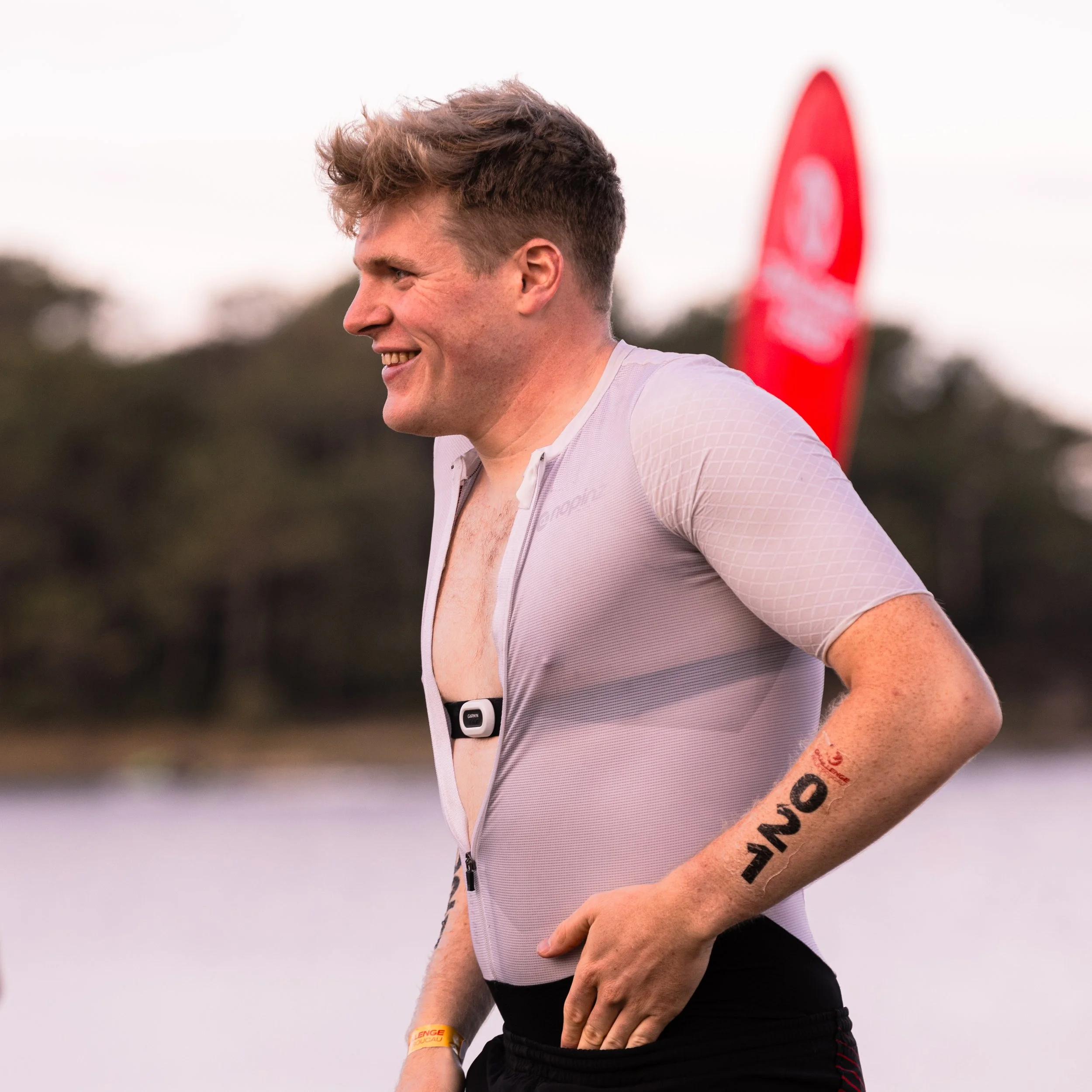
Pool Swimming vs Open Water Swimming: What Every Triathlete Needs to Know
What is the difference between pool swimming and open water swimming? Learn how technique, breathing, pacing, and confidence change between environments and how to prepare for triathlon success.
Many triathletes begin their journey swimming lengths in a warm, calm swimming pool.
Then race day arrives.
Suddenly there are:
No lane ropes
No walls to stop at
Dark water
Waves
Other swimmers everywhere
And for many athletes, everything feels completely different.
This is why understanding the difference between pool swimming vs open water swimming is so important.
While both involve freestyle swimming, they are not the same experience.
Technique, pacing, confidence, breathing, and mindset all change once you leave the pool.
At Frederick Webb Triathlon, one of the biggest breakthroughs we see in athletes comes when they learn to adapt their pool skills into open water confidence.
So how different are they really?
Let’s break it down.
The Biggest Difference: Environment
The pool is controlled.
Open water is unpredictable.
In the Pool:
✔ Clear visibility
✔ Warm water
✔ Lane lines
✔ Consistent distance
✔ Regular turns and rests
✔ Controlled conditions
In Open Water:
✔ Waves and chop
✔ Cold temperatures
✔ Reduced visibility
✔ No walls
✔ Crowded swim starts
✔ Changing weather conditions
For many beginner triathletes, the unfamiliarity of open water creates anxiety.
The key is preparation.
The more familiar open water becomes, the calmer and more confident you will feel.
Technique Differences Between Pool and Open Water Swimming
Your freestyle technique may need slight adjustments outdoors.
Body Position
In the pool, water tends to stay calm and predictable.
Open water often requires more adaptability.
Small waves or choppy water may mean:
Slightly higher stroke rate
Better balance
More body awareness
Rigid technique often works poorly in rough water.
Good open water swimmers stay relaxed and adaptable.
Breathing Changes in Open Water
Breathing is one of the biggest adjustments.
In the pool:
You often breathe rhythmically and predictably.
In open water:
You may encounter:
Waves
Splashes
Crowds
Choppy breathing conditions
This is why bilateral breathing (breathing both sides) can help.
Being comfortable breathing left or right allows you to:
Avoid waves
Adjust to wind direction
Navigate crowded swims
However:
You do not need bilateral breathing to race well.
Comfort matters more than perfection.
The key is controlled breathing under pressure.
No Walls = No Recovery
This catches many swimmers off guard.
Pool swimming naturally includes micro-rests.
Every turn gives:
Momentum
A brief reset
Rhythm recovery
Open water gives you none of that.
You swim continuously.
This means endurance matters more.
Many triathletes discover:
Swimming 1500m in the pool feels easier than 1500m continuously in open water.
This is why race-specific training matters.
Sighting: The Skill Pool Swimmers Often Forget
In the pool:
You follow a black line.
Simple.
In open water:
You need to navigate.
This is where sighting becomes essential.
Sighting means:
Lifting your eyes slightly forwards to spot:
Buoys
Landmarks
Direction changes
Without sighting:
You may zig-zag and swim much further than necessary.
Good sighting:
Saves energy
Improves pacing
Increases confidence
Practise sighting regularly during pool sessions.
A few strokes between “looking forwards” can make a huge difference.
Drafting Matters More in Open Water
Drafting is almost irrelevant in pool swimming.
In open water, it becomes a huge advantage.
Swimming behind another athlete can reduce effort significantly.
This means:
Lower energy use
Better pacing
Reduced fatigue
The trick is staying close enough without touching feet constantly.
Race experience helps.
Wetsuit Swimming Feels Different
Most triathlon open water races involve wetsuits.
This changes swimming mechanics.
Benefits include:
✔ Increased buoyancy
✔ Better body position
✔ Warmer muscles
But it can also feel:
Restrictive at first
Tight around shoulders
Different for breathing
Many athletes panic during their first wetsuit swim.
This is normal.
The solution?
Practise beforehand.
Never race in a wetsuit for the first time.
Pacing Feels Very Different
Pool swimmers often pace by:
Length count
Clock times
Structured intervals
Open water pacing relies more on feel.
There are:
No split times every 25m
Fewer pacing references
More environmental changes
One of the biggest race-day mistakes?
Starting too hard.
Many nervous triathletes sprint the first few hundred metres.
Heart rate spikes.
Breathing becomes difficult.
Panic follows.
Instead:
Start steady. Settle. Then build rhythm.
Smooth swimming is usually faster swimming.
Open Water Is More Mental
Perhaps the biggest difference is psychological.
The pool feels safe and predictable.
Open water can feel overwhelming.
Common fears include:
Deep water
Limited visibility
Contact with swimmers
Cold temperatures
Panic
This is normal.
Confidence grows through exposure.
The best way to improve open water confidence is gradual practice.
Start:
Small
Calm
Supported
Confidence builds quickly with repetition.
At Frederick Webb Triathlon, we often coach nervous swimmers who eventually become confident, calm open water athletes.
Can You Prepare for Open Water in the Pool?
Absolutely.
You can simulate many open water skills in the pool:
Continuous Swimming
Reduce stopping at walls.
Sighting Practice
Look forwards every 6–8 strokes.
Group Swimming
Practise close proximity with others.
Bilateral Breathing
Improve flexibility.
Pace Awareness
Learn to swim by feel.
But eventually:
You still need real open water practice.
There is no substitute for experience.
Which Is Harder?
The honest answer?
For most triathletes:
Open water feels harder initially.
But once confidence improves, many swimmers begin to prefer it.
Why?
Because open water often feels:
More freeing
Less repetitive
More enjoyable
More race-specific
Many athletes eventually find pool swimming harder mentally due to repetition.
Final Thoughts
Pool swimming and open water swimming may seem similar — but they require different skills.
Pool swimming develops:
✔ Technique
✔ Structure
✔ Fitness
✔ Precision
Open water develops:
✔ Confidence
✔ Adaptability
✔ Navigation
✔ Race readiness
The best triathletes become comfortable in both environments.
If you are preparing for triathlon, combining pool sessions with open water practice is one of the smartest things you can do.
At Frederick Webb Triathlon, we help athletes improve swim technique, gain confidence in open water, and prepare for race-day success through personalised coaching and open water swim support around Bath, Bristol, and globally online.
Want to feel more confident in open water and improve your swim performance? Get in touch with Frederick Webb Triathlon today.