

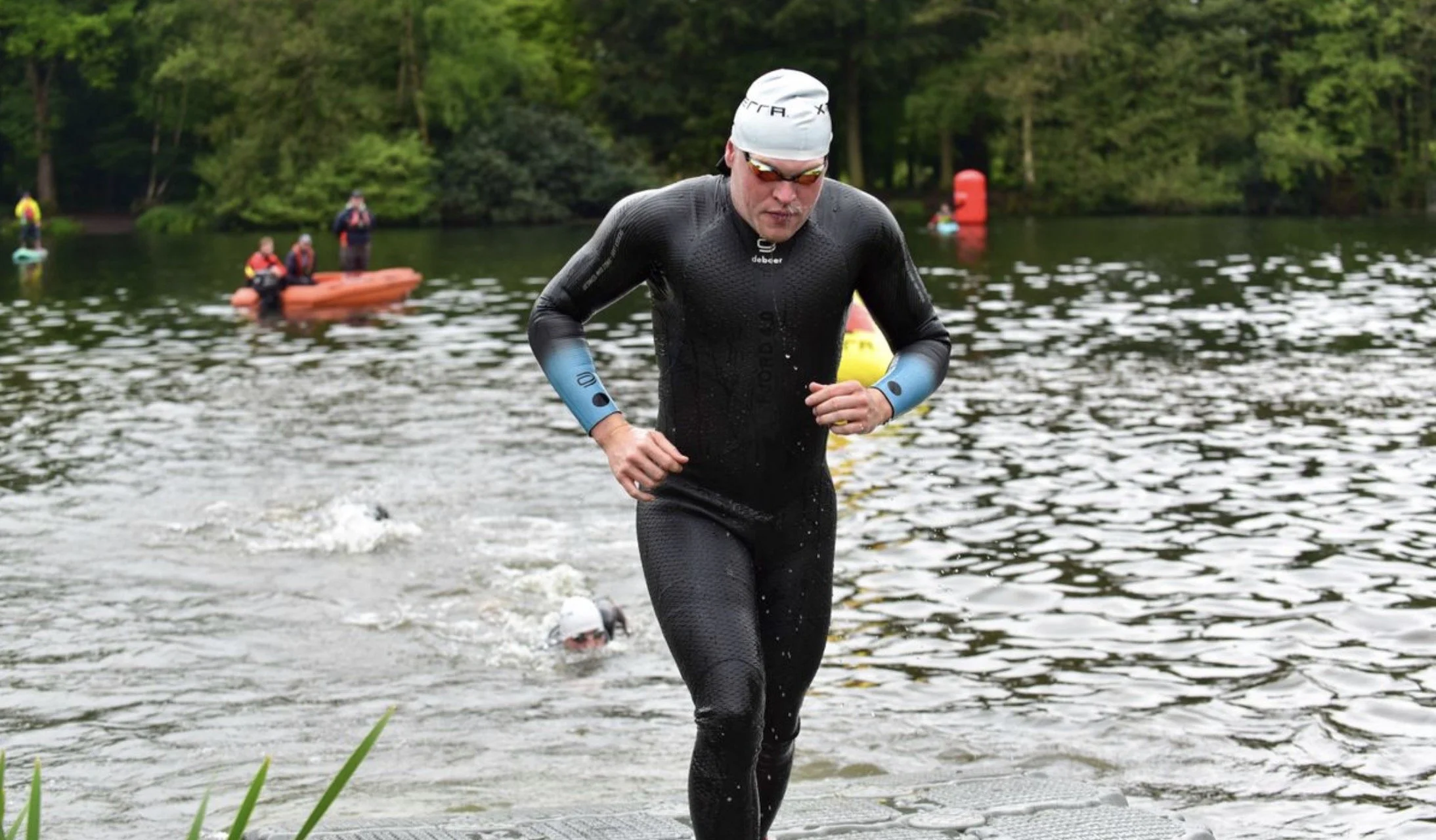
Swimming Anxiety in Triathlon: Why It Happens and How to Overcome It
Swimming anxiety affects thousands of triathletes every year. Discover why it happens, how to manage it, and practical steps to become a calmer, more confident open water swimmer.
For many triathletes, the swim is not the most physically demanding part of a race.
It's the most mentally demanding.
While some athletes worry about bike power or run pacing, others spend race week thinking about one thing:
The swim start.
The crowded water.
The lack of visibility.
The contact from other athletes.
The feeling of being unable to stand up.
The fear of panic.
If that sounds familiar, you're not alone.
Swimming anxiety is one of the most common challenges in triathlon, affecting beginners and experienced athletes alike.
At Frederick Webb Triathlon, we regularly work with athletes who are perfectly capable swimmers in training but experience significant anxiety when race day arrives.
The good news is that swimming anxiety can be managed.
And in many cases, completely overcome.
What Is Swimming Anxiety?
Swimming anxiety is the feeling of fear, stress, or panic associated with swimming, particularly in open water environments.
It can range from:
Mild nervousness
Elevated heart rate
Feeling tense at the start
To:
Full panic attacks
Hyperventilation
The urge to stop swimming
Difficulty continuing the race
Importantly:
Swimming anxiety is not a sign that you're weak or unprepared.
It is a normal response to an environment that many people find unfamiliar and unpredictable.
Why Open Water Feels Different
Many athletes are confused because they feel comfortable in the pool.
Then race day arrives and everything changes.
The reason is simple.
Pools provide certainty.
Open water removes it.
In a pool you have:
Clear visibility
Lane lines
Predictable conditions
Walls every 25m or 50m
Plenty of personal space
Open water offers:
Limited visibility
Deep water
Other athletes
Waves
Wind
Contact
Uncertainty
Even confident swimmers can find this overwhelming initially.
The Most Common Causes of Swim Anxiety
Fear of Not Being Able to Stop
One of the biggest worries is:
"What if I need to stop?"
In reality, most triathlon swims include:
Safety kayaks
Paddleboarders
Lifeguards
Rescue boats
You are rarely alone.
Knowing support is available can significantly reduce anxiety.
Fear of Panic
Ironically, many athletes become anxious about becoming anxious.
They fear:
Losing control
Hyperventilating
Embarrassing themselves
This creates a cycle where fear of panic increases the likelihood of panic.
Fear of Physical Contact
Mass starts can be intimidating.
Athletes may experience:
Kicks
Bumps
Crowding
For newer triathletes, this can feel shocking.
But it is usually brief and manageable with practice.
Lack of Open Water Experience
Many anxious swimmers simply have not spent enough time in open water.
The unfamiliar becomes threatening.
Experience gradually reduces uncertainty.
Understanding the Panic Response
When anxiety rises, the body activates its natural fight-or-flight response.
Symptoms may include:
Increased heart rate
Rapid breathing
Tight chest
Tension in shoulders
Feeling breathless
These sensations are uncomfortable.
But they are not necessarily dangerous.
The key is recognising:
The feeling of panic is not the same as being in danger.
This distinction is incredibly important.
Preparation Is the Best Confidence Builder
Confidence rarely appears by accident.
It comes from preparation.
The more race-specific your preparation becomes, the calmer you are likely to feel.
This means practicing:
Open water starts
Sighting
Swimming in groups
Wetsuit swimming
Swimming in varying conditions
The goal is to make race day feel familiar.
Start Small
Many athletes think they need to jump straight into long open water sessions.
Usually, that's unnecessary.
Instead:
Start with short exposures.
For example:
Enter the water
Float calmly
Swim 50 metres
Return to shore
Gradually build confidence.
Small wins create momentum.
Control the First Five Minutes
Most swim anxiety occurs at the beginning of the race.
Athletes often start:
Too fast
Too aggressively
Too emotionally
The result?
Heart rate spikes.
Breathing becomes difficult.
Anxiety increases.
Instead:
Focus on the first five minutes.
Swim comfortably.
Prioritise rhythm.
Let the race come to you.
Those few minutes can completely change your experience.
Position Yourself Wisely
Many nervous swimmers make the mistake of starting too far forward.
This often places them in the busiest part of the field.
Instead:
Consider:
Starting to one side
Starting slightly behind your expected pace group
You may swim a few extra metres.
But you'll often enjoy a calmer, more controlled start.
Focus on Process, Not Outcome
Anxiety often grows when athletes think too far ahead.
Thoughts such as:
"What if I can't finish?"
"What if I panic?"
"What if I embarrass myself?"
Create unnecessary pressure.
Instead focus on:
The next stroke
The next buoy
The next breath
Small process goals keep attention in the present.
Practice Sighting Properly
Poor sighting often increases anxiety.
Athletes worry they are:
Going off course
Getting lost
Swimming further than necessary
Practising sighting in training builds confidence and control.
The more comfortable you are navigating open water, the less stressful it feels.
Build Open Water Experience Gradually
There is no shortcut for experience.
Confidence grows through repetition.
Each successful swim teaches the brain:
"I can handle this."
Over time:
The water feels more familiar
Anxiety reduces
Confidence increases
Most experienced triathletes were once nervous swimmers too.
When Panic Happens During a Race
If anxiety rises during a race:
Slow down.
Focus on:
Long exhalations
Relaxing shoulders
Easy strokes
If needed:
Switch to breaststroke briefly
Float on your back
Take a moment to regroup
There is no prize for forcing panic.
A brief reset can save your race.
The Confidence Gap
One important truth:
Most athletes wait to feel confident before acting.
In reality:
Confidence usually comes after action.
Not before it.
You gain confidence by:
Showing up
Practising
Completing sessions
Building evidence
Every successful swim becomes proof that you can do it again.
Final Thoughts
Swimming anxiety is incredibly common in triathlon.
It affects:
Beginners
Experienced athletes
Even strong swimmers
The key is understanding that anxiety does not mean you are incapable.
It means you are facing something challenging and unfamiliar.
The athletes who overcome swim anxiety are not fearless.
They simply learn to manage their fear and build confidence through preparation and experience.
Focus on:
✔ Open water practice
✔ Controlled starts
✔ Process goals
✔ Gradual exposure
✔ Race-specific preparation
With time, what once felt overwhelming can become one of the most enjoyable parts of triathlon.
At Frederick Webb Triathlon, we help athletes build swim confidence through personalised coaching, technique analysis, and open water preparation designed specifically for nervous swimmers.
If swimming anxiety is holding back your triathlon performance, get in touch with Frederick Webb Triathlon and start building confidence in the water today.
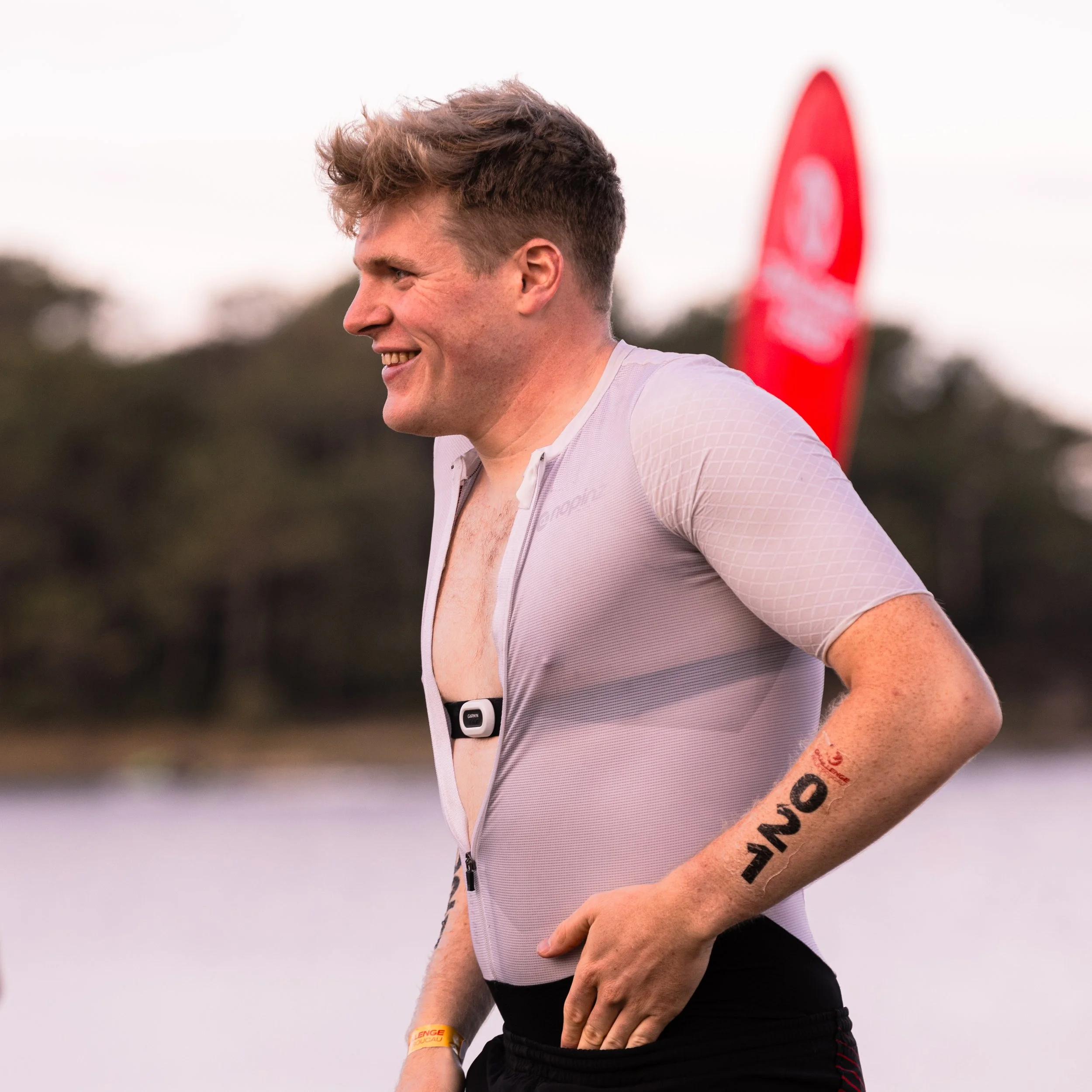
Pool Swimming vs Open Water Swimming: What Every Triathlete Needs to Know
What is the difference between pool swimming and open water swimming? Learn how technique, breathing, pacing, and confidence change between environments and how to prepare for triathlon success.
Many triathletes begin their journey swimming lengths in a warm, calm swimming pool.
Then race day arrives.
Suddenly there are:
No lane ropes
No walls to stop at
Dark water
Waves
Other swimmers everywhere
And for many athletes, everything feels completely different.
This is why understanding the difference between pool swimming vs open water swimming is so important.
While both involve freestyle swimming, they are not the same experience.
Technique, pacing, confidence, breathing, and mindset all change once you leave the pool.
At Frederick Webb Triathlon, one of the biggest breakthroughs we see in athletes comes when they learn to adapt their pool skills into open water confidence.
So how different are they really?
Let’s break it down.
The Biggest Difference: Environment
The pool is controlled.
Open water is unpredictable.
In the Pool:
✔ Clear visibility
✔ Warm water
✔ Lane lines
✔ Consistent distance
✔ Regular turns and rests
✔ Controlled conditions
In Open Water:
✔ Waves and chop
✔ Cold temperatures
✔ Reduced visibility
✔ No walls
✔ Crowded swim starts
✔ Changing weather conditions
For many beginner triathletes, the unfamiliarity of open water creates anxiety.
The key is preparation.
The more familiar open water becomes, the calmer and more confident you will feel.
Technique Differences Between Pool and Open Water Swimming
Your freestyle technique may need slight adjustments outdoors.
Body Position
In the pool, water tends to stay calm and predictable.
Open water often requires more adaptability.
Small waves or choppy water may mean:
Slightly higher stroke rate
Better balance
More body awareness
Rigid technique often works poorly in rough water.
Good open water swimmers stay relaxed and adaptable.
Breathing Changes in Open Water
Breathing is one of the biggest adjustments.
In the pool:
You often breathe rhythmically and predictably.
In open water:
You may encounter:
Waves
Splashes
Crowds
Choppy breathing conditions
This is why bilateral breathing (breathing both sides) can help.
Being comfortable breathing left or right allows you to:
Avoid waves
Adjust to wind direction
Navigate crowded swims
However:
You do not need bilateral breathing to race well.
Comfort matters more than perfection.
The key is controlled breathing under pressure.
No Walls = No Recovery
This catches many swimmers off guard.
Pool swimming naturally includes micro-rests.
Every turn gives:
Momentum
A brief reset
Rhythm recovery
Open water gives you none of that.
You swim continuously.
This means endurance matters more.
Many triathletes discover:
Swimming 1500m in the pool feels easier than 1500m continuously in open water.
This is why race-specific training matters.
Sighting: The Skill Pool Swimmers Often Forget
In the pool:
You follow a black line.
Simple.
In open water:
You need to navigate.
This is where sighting becomes essential.
Sighting means:
Lifting your eyes slightly forwards to spot:
Buoys
Landmarks
Direction changes
Without sighting:
You may zig-zag and swim much further than necessary.
Good sighting:
Saves energy
Improves pacing
Increases confidence
Practise sighting regularly during pool sessions.
A few strokes between “looking forwards” can make a huge difference.
Drafting Matters More in Open Water
Drafting is almost irrelevant in pool swimming.
In open water, it becomes a huge advantage.
Swimming behind another athlete can reduce effort significantly.
This means:
Lower energy use
Better pacing
Reduced fatigue
The trick is staying close enough without touching feet constantly.
Race experience helps.
Wetsuit Swimming Feels Different
Most triathlon open water races involve wetsuits.
This changes swimming mechanics.
Benefits include:
✔ Increased buoyancy
✔ Better body position
✔ Warmer muscles
But it can also feel:
Restrictive at first
Tight around shoulders
Different for breathing
Many athletes panic during their first wetsuit swim.
This is normal.
The solution?
Practise beforehand.
Never race in a wetsuit for the first time.
Pacing Feels Very Different
Pool swimmers often pace by:
Length count
Clock times
Structured intervals
Open water pacing relies more on feel.
There are:
No split times every 25m
Fewer pacing references
More environmental changes
One of the biggest race-day mistakes?
Starting too hard.
Many nervous triathletes sprint the first few hundred metres.
Heart rate spikes.
Breathing becomes difficult.
Panic follows.
Instead:
Start steady. Settle. Then build rhythm.
Smooth swimming is usually faster swimming.
Open Water Is More Mental
Perhaps the biggest difference is psychological.
The pool feels safe and predictable.
Open water can feel overwhelming.
Common fears include:
Deep water
Limited visibility
Contact with swimmers
Cold temperatures
Panic
This is normal.
Confidence grows through exposure.
The best way to improve open water confidence is gradual practice.
Start:
Small
Calm
Supported
Confidence builds quickly with repetition.
At Frederick Webb Triathlon, we often coach nervous swimmers who eventually become confident, calm open water athletes.
Can You Prepare for Open Water in the Pool?
Absolutely.
You can simulate many open water skills in the pool:
Continuous Swimming
Reduce stopping at walls.
Sighting Practice
Look forwards every 6–8 strokes.
Group Swimming
Practise close proximity with others.
Bilateral Breathing
Improve flexibility.
Pace Awareness
Learn to swim by feel.
But eventually:
You still need real open water practice.
There is no substitute for experience.
Which Is Harder?
The honest answer?
For most triathletes:
Open water feels harder initially.
But once confidence improves, many swimmers begin to prefer it.
Why?
Because open water often feels:
More freeing
Less repetitive
More enjoyable
More race-specific
Many athletes eventually find pool swimming harder mentally due to repetition.
Final Thoughts
Pool swimming and open water swimming may seem similar — but they require different skills.
Pool swimming develops:
✔ Technique
✔ Structure
✔ Fitness
✔ Precision
Open water develops:
✔ Confidence
✔ Adaptability
✔ Navigation
✔ Race readiness
The best triathletes become comfortable in both environments.
If you are preparing for triathlon, combining pool sessions with open water practice is one of the smartest things you can do.
At Frederick Webb Triathlon, we help athletes improve swim technique, gain confidence in open water, and prepare for race-day success through personalised coaching and open water swim support around Bath, Bristol, and globally online.
Want to feel more confident in open water and improve your swim performance? Get in touch with Frederick Webb Triathlon today.