

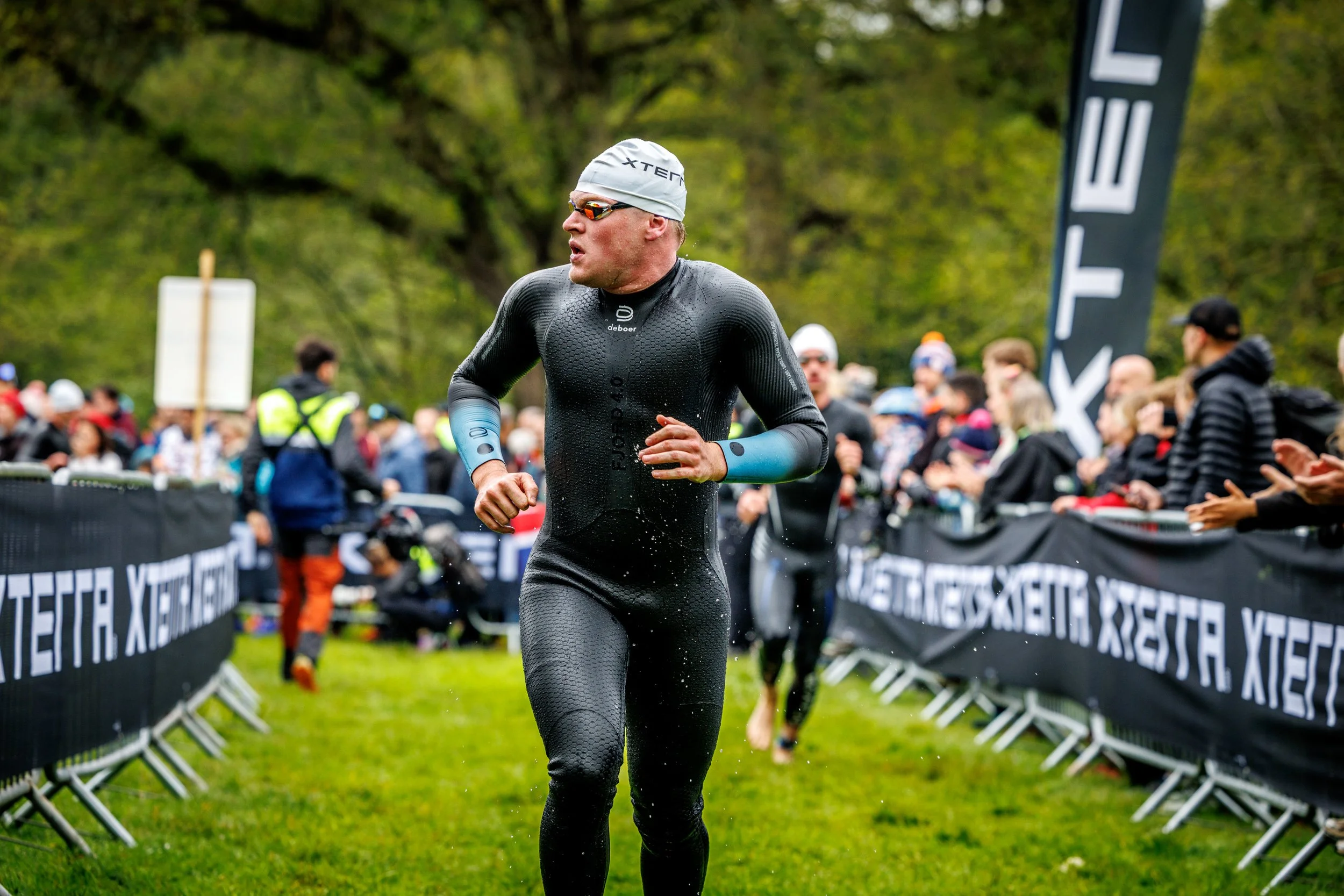
Beginner’s Guide to Triathlon Wetsuits
Choosing the right triathlon wetsuit can transform your swim. This beginner-friendly guide explains how wetsuits improve buoyancy, technique, and confidence in open water. Learn how to find the right fit, train effectively, and avoid common mistakes with practical advice from Frederick Webb Triathlon Coaching.
How to choose, use, and train in a wetsuit (without making the common mistakes)
If you’re new to triathlon, a wetsuit can feel like just another piece of gear to figure out. In reality, it’s one of the most important tools you’ll use—especially in open water.
But here’s the catch: a wetsuit won’t fix poor training habits. The best athletes use it as part of a structured, consistent approach, not a shortcut.
This guide will help you get it right from the start.
1. A wetsuit supports your training — it doesn’t replace it
One of the biggest beginner mistakes is relying on gear instead of building a plan.
A wetsuit:
Improves buoyancy
Helps you stay streamlined
Can make swimming feel easier
But it only works properly if you’re:
Training regularly
Following a structured plan
Practicing in realistic conditions
Think of it this way: the wetsuit amplifies good habits—it doesn’t create them.
2. Technique matters more than the wetsuit itself
A wetsuit can hide some flaws, but not all of them.
If your swim technique is inefficient:
You’ll still waste energy
You’ll still fatigue early
You may even fight against the suit
Focus on:
Body position (long and flat in the water)
Relaxed breathing
Smooth, controlled strokes
The best investment isn’t the most expensive wetsuit—it’s better technique.
3. You need to train in your wetsuit (not just race in it)
This is one of the most overlooked pieces of advice.
Swimming in a wetsuit feels different:
Tighter chest → breathing changes
Increased buoyancy → altered stroke timing
Restricted shoulders → fatigue in new ways
You should:
Practice regularly in your wetsuit
Include it in your weekly training plan
Use it in open water when possible
This is the “consistency beats perfection” principle in action.
4. Practice in real conditions (not just the pool)
Pool swimming and open water swimming are completely different.
A wetsuit is designed for:
Cold water
Waves
Limited visibility
Crowded starts
Train for:
Sighting (looking forward while swimming)
Swimming in a straight line
Staying calm in open water
Race day shouldn’t be your first real wetsuit experience.
5. Don’t let the wetsuit trick your pacing
Because a wetsuit makes swimming easier, beginners often:
Start too fast
Spike their heart rate
Burn out early
Instead:
Start controlled
Focus on rhythm
Keep effort steady
Remember: you still have the bike and run to go.
6. Think beyond the swim (triathlon is one race)
Your swim affects everything that comes after.
If you overwork in the water:
Your bike suffers
Your run becomes much harder
That’s why smart athletes:
Swim efficiently, not aggressively
Save energy for later stages
Practice swim-to-bike transitions
This is where structured training and “brick” thinking comes in—even for gear decisions.
7. Comfort and recovery matter more than speed
A good wetsuit should:
Fit snugly, but not restrict breathing
Allow shoulder movement
Prevent chafing
If it’s uncomfortable:
You’ll tense up
Your technique will break down
You’ll fatigue faster
Comfort leads to better performance—not the other way around.
8. Don’t ignore the basics: fueling & hydration still matter
Even though the swim is shorter than the bike/run:
You still need to be properly fueled
You still need hydration beforehand
A wetsuit increases body heat, so:
Avoid overheating before the race
Stay hydrated pre-swim
Good performance starts before you even enter the water.
9. Start simple — you don’t need the “best” wetsuit
For beginners:
You don’t need a top-tier suit
You don’t need advanced features
What you need:
Proper fit
Comfort
Reliability
Just like training, keep it simple and consistent.
10. The bottom line
A wetsuit is a powerful tool—but only if you use it properly.
The athletes who improve fastest are the ones who:
Train consistently
Practice in real conditions
Focus on technique
Pace themselves intelligently
The wetsuit helps—but your habits matter more.
Quick beginner checklist
Before race day, make sure you:
Have trained in your wetsuit multiple times
Feel comfortable breathing in it
Can swim at a steady pace (not sprinting)
Have practiced in open water
Know how to take it off quickly in transition
Beginner Triathlon Training: A Complete Guide for Your First Race
Starting your first triathlon doesn’t have to be complicated. This beginner triathlon training guide covers everything you need to know—from building a structured training plan to improving swim, bike, and run performance. Learn how to pace your race, train consistently, and avoid common mistakes with expert advice from Frederick Webb Triathlon Coaching.
By Frederick Webb Triathlon Coaching
Starting your first triathlon can feel overwhelming. Between swimming, cycling, running, and figuring out a training plan, many beginners don’t know where to start.
At Frederick Webb Triathlon Coaching, we specialise in helping athletes build confidence, structure, and consistency from day one.
If you’re searching for a beginner triathlon training plan, or wondering how to train for your first triathlon, this guide covers everything you need to know.
1. Follow a Structured Beginner Triathlon Training Plan
One of the biggest mistakes new athletes make is training without a plan.
A well-designed triathlon training plan for beginners should include:
2–3 sessions per discipline each week
Gradual progression in volume and intensity
Scheduled rest and recovery days
Consistency is far more important than intensity.
If you’re looking for triathlon coaching in the UK, structured planning is the foundation of long-term progress.
2. Train All Three Disciplines Every Week
Triathlon requires balance.
Many beginners focus too much on their strongest sport, but performance improves fastest when you train:
Swimming
Cycling
Running
Searches like “how to improve triathlon swim” are common because it’s often the weakest area.
A good triathlon coach will always prioritise balanced development.
3. Include Brick Workouts in Your Training
A brick workout (bike to run) is essential in any triathlon training programme.
If you’ve ever wondered:
Why running after cycling feels difficult
How to improve triathlon transitions
Brick sessions are the answer.
Start small:
Short bike ride → 10–15 minute run
Over time, your body adapts and transitions feel natural.
4. Focus on Swim Technique First
Swimming is the most technical discipline in triathlon.
Many beginners search for:
triathlon swim tips
how to swim efficiently for triathlon
At Frederick Webb Triathlon Coaching, we emphasise:
Body position in the water
Breathing control
Stroke efficiency
Technique saves more energy than fitness alone.
5. Learn Proper Triathlon Pacing Strategy
Going too hard at the start is one of the biggest beginner mistakes.
A smart triathlon pacing strategy includes:
Controlled swim effort
Steady, sustainable bike pace
Strong but manageable run
If you’re searching “why did I burn out in my triathlon?”, pacing is usually the reason.
6. Prioritise Recovery and Avoid Overtraining
Recovery is a critical part of any triathlon training plan.
Without proper rest:
Fatigue builds
Injury risk increases
Performance declines
Include:
At least 1–2 rest days per week
Easy sessions between harder efforts
Consistency only works when your body can recover.
7. Get Your Triathlon Nutrition Right
Fueling is essential for performance.
Common beginner searches include:
triathlon nutrition plan
what to eat before a triathlon
Focus on:
Balanced daily nutrition
Hydration
Practicing race-day fueling during training
Nutrition supports every session—not just race day.
8. Train in Real Race Conditions
Race day is very different from training indoors.
Prepare with:
Open water swim training
Outdoor cycling
Running in varied conditions
Many athletes search:
how to prepare for open water swimming
triathlon race day tips
The more familiar your training, the more confident you’ll feel.
9. Start with a Sprint Triathlon
If you’re new to the sport, a sprint triathlon is the best place to start.
Typical distances:
750m swim
20km bike
5km run
This is the most popular entry point for beginner triathlon UK athletes.
10. Consistency Is the Key to Triathlon Success
The most important factor in any triathlon coaching programme is consistency.
You don’t need:
Perfect sessions
Expensive gear
Advanced training methods
You do need:
Regular training
Gradual progress
Patience
This is the foundation of every successful triathlete.
Final Thoughts: Start Simple, Stay Consistent
Triathlon doesn’t have to be complicated.
At Frederick Webb Triathlon Coaching, we help athletes:
Build structured training plans
Improve technique
Prepare for race day with confidence
If you’re ready to take your training to the next level, the key is simple:
Train consistently, follow a plan, and trust the process. Beginner Triathlon Training: A Complete Guide for Your First Race
By Frederick Webb Triathlon Coaching
Starting your first triathlon can feel overwhelming. Between swimming, cycling, running, and figuring out a training plan, many beginners don’t know where to start.
At Frederick Webb Triathlon Coaching, we specialise in helping athletes build confidence, structure, and consistency from day one.
If you’re searching for a beginner triathlon training plan, or wondering how to train for your first triathlon, this guide covers everything you need to know.
How to Stay Consistent with Triathlon Training (Even When Motivation Drops)
Struggling to stay consistent with triathlon training? This guide breaks down how to build a sustainable routine across swimming, cycling, and running. Learn how to structure your week, manage intensity, avoid burnout, and make steady progress with expert advice from Frederick Webb Triathlon Coaching.
By Frederick Webb Triathlon Coaching
Consistency is the single biggest factor in triathlon success.
Not talent. Not equipment. Not even the perfect training plan.
If you’re searching for:
how to stay consistent with training
why triathlon progress feels slow
how to build a training routine
This is the piece that ties everything together.
Because the athletes who improve aren’t the ones who train hardest—they’re the ones who train regularly.
Why Consistency Matters in Triathlon Training
Triathlon is unique. You’re balancing three disciplines—swim, bike, and run—while managing fatigue, recovery, and everyday life.
Without consistency:
Fitness never fully develops
Skills (especially swimming) don’t improve
Progress feels unpredictable
With consistency:
Aerobic fitness builds steadily
Technique becomes more efficient
Training feels easier over time
This is why every effective triathlon training plan is built around repeatable habits.
The Real Reason Most Athletes Struggle with Consistency
It’s not lack of motivation—it’s poor structure.
Common mistakes include:
Doing too much too soon
Training randomly without a plan
Ignoring recovery
Setting unrealistic expectations
Many beginners search for “best triathlon training plan” when the real issue is sustainability.
The best plan is the one you can follow week after week.
Build a Simple, Repeatable Training Routine
Consistency comes from simplicity.
A strong beginner triathlon training routine should include:
2–3 sessions per discipline each week
1–2 rest or recovery days
A manageable weekly schedule
Instead of chasing perfect sessions, focus on:
Showing up regularly
Keeping sessions achievable
Building momentum
Structure removes decision fatigue—and makes training automatic.
Balance All Three Disciplines
One of the biggest threats to consistency is imbalance.
Athletes often:
Skip swims because they feel difficult
Overtrain their strongest discipline
Avoid weak areas
This leads to frustration and stalled progress.
A balanced triathlon coaching approach ensures:
Regular exposure to all three sports
Gradual improvement across the board
Consistency isn’t just about frequency—it’s about balance.
Control Intensity to Avoid Burnout
Going too hard, too often, is one of the fastest ways to lose consistency.
Signs you’re overdoing it:
Constant fatigue
Lack of motivation
Missed sessions
Instead:
Keep most sessions at an easy to moderate effort
Save harder efforts for key workouts
Focus on sustainable pacing
Training should feel challenging—but manageable.
Recovery Is What Keeps You Consistent
Recovery isn’t optional—it’s what allows consistency to exist.
Without it:
You break down physically
Motivation drops
Injuries become more likely
A good triathlon training programme includes:
Rest days
Easy sessions
Sleep and nutrition support
The goal is to be ready for the next session—not exhausted from the last one.
Make Training Realistic (Not Idealistic)
One of the biggest mindset shifts is accepting that training won’t always be perfect.
Weather changes. Life gets busy. Sessions don’t always go to plan.
Consistent athletes:
Adapt instead of skipping sessions
Shorten workouts when needed
Focus on doing something rather than nothing
Progress comes from flexibility, not perfection.
Use Small Wins to Build Momentum
Consistency isn’t built in big breakthroughs—it’s built in small wins.
Examples:
Completing all sessions in a week
Improving swim confidence
Finishing a brick workout comfortably
These wins build confidence and reinforce the habit of training.
Momentum is what turns effort into long-term progress.
Support Consistency with Nutrition and Fueling
Low energy is one of the biggest hidden causes of inconsistency.
If you’re:
Under-fueling
Dehydrated
Skipping recovery nutrition
Training becomes harder than it needs to be.
Focus on:
Eating enough to support your workload
Hydrating regularly
Refueling after sessions
Energy drives consistency.
Set the Right Expectations
Many athletes quit because they expect fast results.
But triathlon progress is gradual:
Fitness builds over months
Technique improves with repetition
Confidence grows through experience
Consistency wins because it compounds over time.
The Formula for Consistency in Triathlon
If you simplify everything, it comes down to this:
Structured plan
Balanced training
Controlled intensity
Proper recovery
Realistic expectations
Repeat that weekly—and progress becomes inevitable.
Final Thoughts: Consistency Over Everything
At Frederick Webb Triathlon Coaching, we don’t focus on extreme training or short-term gains.
We focus on:
Sustainable routines
Long-term development
Building athletes who improve year after year
Because in triathlon, consistency isn’t just important—
It’s everything.
Call to Action
Struggling to stay consistent with your triathlon training?
Frederick Webb Triathlon Coaching offers:
Personalised triathlon training plans
1:1 coaching support
Beginner to intermediate guidance
Start building consistency today and unlock your full potential.